Ozark Trail · Camping Tents & Tarps
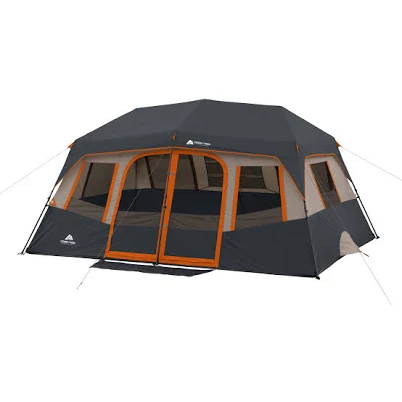
Ozark Trail 10-Person Instant Cabin Tent
Budget tent lacks PFAS transparency; water-repellent coating source unknown.
Ozark Trail provides no information on PFAS in this tent's water-resistant treatment. Budget outdoor gear often uses conventional fluorinated water-repellent coating, but brand remains silent on ingredients or alternatives used.
Still want this one anyway? Check the price on Amazon. We’d swap it.
Material
polyester fabric with water-repellent coating water-resistant coating
Brand disclosure
Brand is silent on PFAS
Lab data
No public lab test
You may also be interested in
Top-graded picks in the categories readers replace first, every one scored on the same rubric.

- polypropylene filter housing, carbon/sediment cartridge
- We found no PFAS statement from the brand
- Bacterial growth in spent cartridges
3 hazards checked on this product, all on its full breakdown.

Aquasure
Premier Series 75 GPD Under Sink Reverse Osmosis Water Filtration System
- RO membrane, carbon filters, stainless steel housing
- We found no PFAS statement from the brand
- Bacterial and microbial growth in housing and filters
4 hazards checked on this product, all on its full breakdown.

Avocado
Vegan Mattress
- organic cotton, natural latex, coconut coir, recycled steel coils
- The brand calls it PFAS-free, which we have not verified
- Heavy metals
2 hazards checked on this product, all on its full breakdown.
What Ozark Trail 10-Person Instant Cabin Tent is made of, ingredients and materials
Ozark Trail's 10-person cabin tent uses polyester fabric treated with a water-repellent coating (water-repellent coating) coating of unknown chemical composition. Polyester itself is stable and non-toxic, but the water-repellent coating finish is the concern, historically, budget tents have used PFAS-based water repellents, and Ozark Trail does not disclose their specific water-repellent coating chemistry. The fabric weave and denier (thickness) are not detailed in public specs, making long-term durability assessment incomplete.
What’s concerning
Waterproof / stain-resistant treatment
Water-repellent coating treatments have historically used PFAS.
Category baseline
The starting point for this type of product, before anything specific to this product is counted.
No PFAS disclosure
No public statement from the brand about PFAS in this product.
PFAS
Unknown water-repellent coating agent; budget tents sometimes use legacy perfluorinated compounds or alternative chemistries (silicone, wax, fluorocarbon) not disclosed by Ozark Trail. Risk level cannot be quantified without supplier transparency.
Source, ATSDR ↗Coating degradation and microparticle shedding
Budget-tier water-repellent coating coatings degrade faster than premium alternatives; worn coatings may shed fine particles into the tent interior. No specific data for this model, but common in low-cost water-resistant textiles exposed to UV and weathering.
Off-gassing from stored fabric
New polyester tents sometimes release volatile organic compounds (VOCs) from fabric finishing and coating curing. Magnitude is typically low for polyester but exacerbated by unknown water-repellent coating chemistry and poor warehouse storage conditions.
What’s reassuring
Formaldehyde / VOCs
Polyester tent fabrics sometimes contain formaldehyde-based wrinkle-resistant or mildew-resistant treatments. No specific recalls or reports exist for this Ozark Trail model, but the absence of certifications makes assessment uncertain.
Source, ATSDR ↗Azo dyes
Polyester fabrics can use azo dyes (which metabolize to carcinogenic amines). Ozark Trail does not publish dye chemistry. Risk is low for skin contact during occasional use but unknown without testing data.
How is this PFAS grade calculated?
The brand's record and disclosure
Ozark Trail is Walmart's house brand and maintains minimal transparency on material sourcing, chemical coatings, or third-party testing. The brand has no published sustainability reports, certifications (like Bluesign or GOTS), or statements on PFAS avoidance. No major recalls or chemical incidents are on record for this specific tent model, but silence on water-repellent coating sourcing is standard for budget outdoor brands in this price tier.
How it compares in its category
Instant-deploy cabin tents at this price point (typically under $150) rarely disclose coating chemistry. Mid-range competitors (Coleman, REI Co-op) sometimes offer PFAS-free alternatives or transparent sourcing; premium brands (Big Agnes, MSR) increasingly publish chemical inventories. This Ozark Trail model sits at the bottom of the transparency ladder while offering functional waterproofing for casual camping, making it cheaper but riskier than alternatives with disclosed coatings.
If you buy it
Use in well-ventilated outdoor settings only; do not store indoors long-term as off-gassing potential is unknown. Inspect seams and fabric annually for coating breakdown, peeling, or discoloration. Wash with plain water only (no harsh detergents that degrade water-repellent coating); air-dry in open air. Replace if the water-beading test fails (water no longer forms beads on fabric surface), as this signals coating degradation and loss of waterproofing function.
What is not known about PFAS in this product?
- Basis
- Model estimate, 45% confidence, not a lab result
- Lab test
- None on record for this exact product
- Brand statement
- Ozark Trail has made none
Formulations change between production runs, so check the current label. How we grade.
More camping tents & tarps grades
How we score, every product runs through the same public 0-100 rubric based on materials, coatings, brand disclosure, lab findings, and recalls. See the full methodology → Spotted a mistake? Report an error.