Pactiv Evergreen · Disposable Food Containers
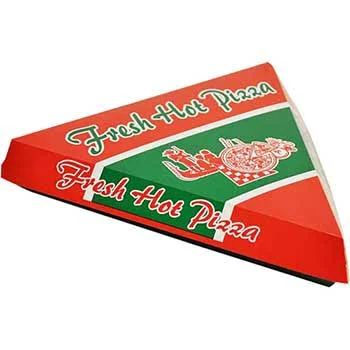
Pactiv Evergreen Green/Red Paper Pizza Clamshell
Skip. Grease-resistant food packaging often uses PFAS-based coatings.
Pactiv Evergreen's pizza box uses coated paperboard for grease resistance without revealing coating formula. Historically these coatings relied on PFAS.
The better-graded swap
Eco-Products
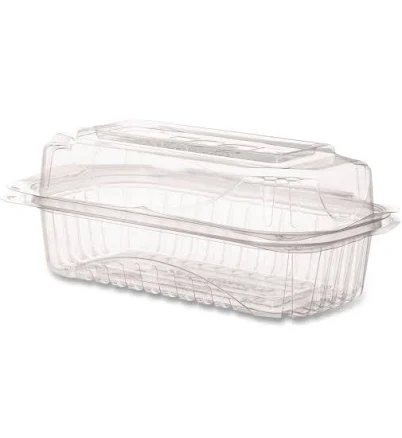
Eco-Products Compostable Clear Clamshell Hinged Food
100/100 safety
Same rubric that flunked this product. The swap earned Excellent.
Still want this one anyway? Check the price on Amazon. We’d swap it.
Material
Paperboard with unspecified grease-resistant coating
Brand disclosure
Brand is silent on PFAS
Lab data
No public lab test
You may also be interested in
Top-graded picks in the categories readers replace first, every one scored on the same rubric.

- polypropylene filter housing, carbon/sediment cartridge
- We found no PFAS statement from the brand
- Bacterial growth in spent cartridges
3 hazards checked on this product, all on its full breakdown.

Aquasure
Premier Series 75 GPD Under Sink Reverse Osmosis Water Filtration System
- RO membrane, carbon filters, stainless steel housing
- We found no PFAS statement from the brand
- Bacterial and microbial growth in housing and filters
4 hazards checked on this product, all on its full breakdown.

Avocado
Vegan Mattress
- organic cotton, natural latex, coconut coir, recycled steel coils
- The brand calls it PFAS-free, which we have not verified
- Heavy metals
2 hazards checked on this product, all on its full breakdown.
What Pactiv Evergreen Green/Red Pizza Clamshell is made of, ingredients and materials
This product is bleached paperboard with an applied grease-resistant coating whose chemical composition Pactiv does not publicly disclose. Grease barriers on food packaging are almost universally fluorinated (PFAS-based) or silicone-based, though Pactiv has not stated which. The paperboard substrate itself is inert and does not leach; the risk profile centers entirely on the coating and whether it migrates into food under heat or with fatty foods.
What’s concerning
Category baseline
The starting point for this type of product, before anything specific to this product is counted.
No PFAS disclosure
No public statement from the brand about PFAS in this product.
Waterproof / stain-resistant treatment
Water-repellent coating treatments have historically used PFAS.
PFAS
Coating composition is proprietary and undisclosed. Grease barriers on food packaging are PFAS-based in majority of products on market. Migration risk is low at room temperature but increases with fatty foods and heat.
Source, ATSDR ↗What’s reassuring
Coating migration or degradation
No recalls or published safety complaints about this specific product. Paperboard itself does not degrade under normal food-contact use. Risk would only emerge if coating flakes or leaches, which is not documented for Pactiv clamshells.
Microplastics
Product is primarily paperboard; any plastic component is the coating. Paperboard does not fragment into microplastics under normal use. Coating may contain proprietary additives, but none are publicly identified as problematic.
Source, EPA ↗Bleach residues or chlorine byproducts
Bleached paperboard is standard food-contact material and is not associated with residual chlorine or dioxin risk when produced to FDA-recognized standards. No specific safety alerts for this brand exist.
Thermal breakdown or off-gassing
Paperboard is stable at typical pizza serving temperatures (170-200 F). Risk of fume release is not a concern unless box is exposed to open flame or oven temperatures above 350 F, which is outside normal use.
How is this PFAS grade calculated?
The brand's record and disclosure
Pactiv Evergreen has not published transparency reports on PFAS use in food-contact coatings, nor has it committed to phasing out PFAS in this product line. The company is owned by Berkley, a major food-service packaging manufacturer with no public PFAS elimination roadmap. Absence of disclosure is not confirmation of PFAS presence, but it prevents informed purchasing and suggests the coating composition is not a marketing advantage.
How it compares in its category
This clamshell sits in the mainstream of single-use pizza boxes. Competitors like Huhtamaki and some store-brand alternatives also use fluorinated coatings by default. Compostable or alternatives not materially linked to PFAS (wax-lined kraft, silicone-coated paperboard) exist but are less common and typically cost more. If PFAS exposure is a concern, seeking brands that explicitly certify PFAS-free coatings is the only reliable alternative.
If you buy it
Use these boxes for their intended purpose, serving hot or room-temperature pizza. Avoid prolonged storage of greasy food in them; transfer leftovers to glass or ceramic within 2-3 hours to limit coating contact time. Do not microwave food in the box. Recycle or compost according to local guidelines, though fluorinated coatings may contaminate compost streams. For frequent pizza consumption, explore branded or restaurant sources willing to disclose their coating chemistry.
What is not known about PFAS in this product?
- Basis
- Model estimate, 42% confidence, not a lab result
- Lab test
- None on record for this exact product
- Brand statement
- Pactiv Evergreen has made none
Formulations change between production runs, so check the current label. How we grade.
What are the PFAS-free alternatives to Pactiv Evergreen Green/Red Paper Pizza Clamshell?
Eco-Products
Compostable Clear Clamshell Hinged Food
- Compostable resin (PLA/PBAT blend, plant-based)
- A third party reports verifying it as PFAS-free
- Thermal degradation and chemical release at use temperatures
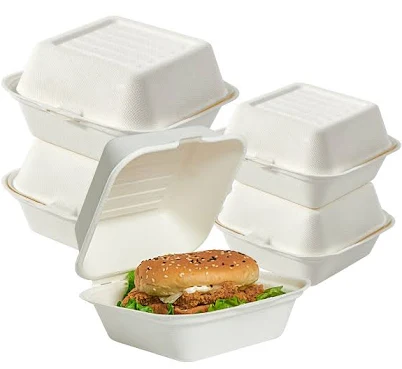
- Sugarcane bagasse (compostable fiber)
- We found no PFAS statement from the brand
- Bleaching agents and residual processing chemicals
3 hazards checked on this product, all on its full breakdown.
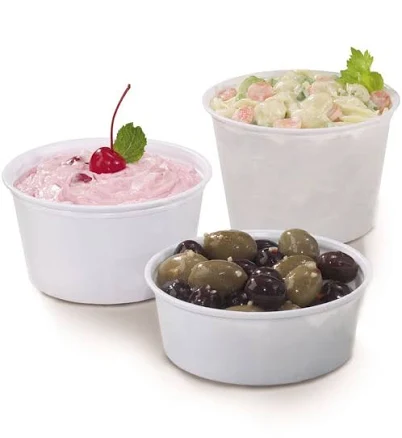
- polypropylene (PP) container, uncoated
- We found no PFAS statement from the brand
- Microplastics
2 hazards checked on this product, all on its full breakdown.
More disposable food containers grades
How we score, every product runs through the same public 0-100 rubric based on materials, coatings, brand disclosure, lab findings, and recalls. See the full methodology → Spotted a mistake? Report an error.