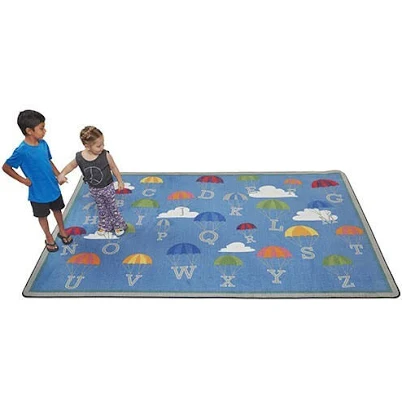
ECR4Kids P is for Parachute Activity Rug
Lower PFAS concern; typical activity rug without water-resistant treatment claims.
P is for Parachute Activity Rug is a children's play mat made from standard polyester-blend parachute fabric. No water-repellent, stain-resistant, or special coatings are marketed, suggesting no intentional PFAS application.
We flunk more products than we pass. This one earned its grade. How we grade
Material
polyester blend fabric, parachute construction
Brand disclosure
Brand is silent on PFAS
Lab data
No public lab test
You may also be interested in
Top-graded picks in the categories readers replace first, every one scored on the same rubric.

- polypropylene filter housing, carbon/sediment cartridge
- We found no PFAS statement from the brand
- Bacterial growth in spent cartridges
3 hazards checked on this product, all on its full breakdown.

Aquasure
Premier Series 75 GPD Under Sink Reverse Osmosis Water Filtration System
- RO membrane, carbon filters, stainless steel housing
- We found no PFAS statement from the brand
- Bacterial and microbial growth in housing and filters
4 hazards checked on this product, all on its full breakdown.

Avocado
Vegan Mattress
- organic cotton, natural latex, coconut coir, recycled steel coils
- The brand calls it PFAS-free, which we have not verified
- Heavy metals
2 hazards checked on this product, all on its full breakdown.
What ECR4Kids P is for Parachute Activity Rug is made of, ingredients and materials
This rug is a polyester blend constructed as a parachute-style play mat, meaning it uses lightweight woven polyester fabric without foam backing or lamination. Polyester itself is chemically stable and does not readily leach harmful substances under normal use. The main concern with polyester textiles is flame retardants applied to the surface or weave, and residual dyes or finishing chemicals from manufacturing. Since this is marketed as a children's activity rug, it likely meets CPSIA flammability standards (16 CFR 1610/1611), which may involve brominated or phosphorus-based flame retardants, though ECR4Kids does not publicly disclose which chemicals are used.
What’s concerning
Category baseline
The starting point for this type of product, before anything specific to this product is counted.
No PFAS disclosure
No public statement from the brand about PFAS in this product.
Flame retardants
All children's textiles sold in the US must meet flammability standards, which typically require flame retardant additives. ECR4Kids does not disclose which class or brand is used on this rug. Brominated retardants have been phased out in many products, but some manufacturers still use them; phosphorus-based alternatives are increasingly common but less researched for long-term child exposure.
Source, EPA ↗Formaldehyde / VOCs
Polyester textiles undergo dyeing and chemical finishing (sizing, softeners, wrinkle resistance) in manufacturing. Azo dyes and formaldehyde-release resins are banned in EU textiles but remain in some US-made or imported goods. Pre-washing and indoor use reduce exposure risk, but no third-party testing of this specific rug has been published.
Source, ATSDR ↗Microfiber shedding and inhalation from worn areas
Heavy use and washing can cause polyester to pill or shed microfibers. Children playing directly on the rug may inhale or ingest fine fibers, particularly if seams fray or backing fails. Regular inspection and replacement when worn significantly mitigates this risk.
Volatile organic compounds (VOCs) from dyes and finishes off-gassing
New polyester textiles often emit low levels of VOCs in the first days to weeks of use, particularly in warm or humid environments. Odor is typically the first sign; it usually diminishes after washing and airing. No specific off-gas profile for this rug model is published, but standard polyester rugs are considered low-VOC compared to vinyl or rubber-backed alternatives.
What’s reassuring
Base material not linked to PFAS
The main material recorded for this product is not one associated with PFAS.
Antimony in polyester fiber (catalyst residue)
Polyester manufacture can leave trace antimony (a heavy metal used as a catalyst). Levels in finished textiles are typically minimal and not bioavailable; no health effects have been established from wearing or playing on polyester rugs containing residual antimony. No specific testing of this product has been published.
How is this PFAS grade calculated?
The brand's record and disclosure
ECR4Kids is a provider of educational and play furniture; Parachute is the brand name for this product line. The company has no publicly known major consumer safety recalls specific to this rug model, and it complies with CPSIA labeling. However, ECR4Kids maintains silence on PFAS and detailed chemical composition, offering no third-party certifications (e.g., OEKO-TEX, GreenGuard) that would verify low chemical loadings. This is typical for mainstream activity rug manufacturers but limits transparency compared to premium eco-focused brands.
How it compares in its category
Activity rugs for children typically use polyester or polypropylene with flame retardant finishes and minimal water-resistant coatings. This parachute-design rug sits in the mainstream tier, lower cost, standard safety compliance, no premium eco-claims. Compared to higher-end certified alternatives (e.g., OEKO-TEX 100 or organic cotton blends), it has broader chemical uncertainty; compared to PVC or vinyl play mats, polyester is less prone to phthalate migration. It is functionally adequate for typical indoor play.
If you buy it
Wash the rug before first use to reduce any residual finish chemicals and dye odor. Use it indoors on dry flooring, as it is not water-resistant and can retain moisture if wet. Inspect annually for seam or fabric degradation, pilling, or discoloration that may signal breakdown of dyes or coatings. Machine wash in cool water per care label, avoid high heat dryers, and do not bleach. Replace if tears, staining, or odor develops that does not wash out, as worn areas may release trapped fibers or finishes.
What is not known about PFAS in this product?
- Basis
- Model estimate, 72% confidence, not a lab result
- Lab test
- None on record for this exact product
- Brand statement
- Parachute has made none
Formulations change between production runs, so check the current label. How we grade.
More area rugs grades
How we score, every product runs through the same public 0-100 rubric based on materials, coatings, brand disclosure, lab findings, and recalls. See the full methodology → Spotted a mistake? Report an error.