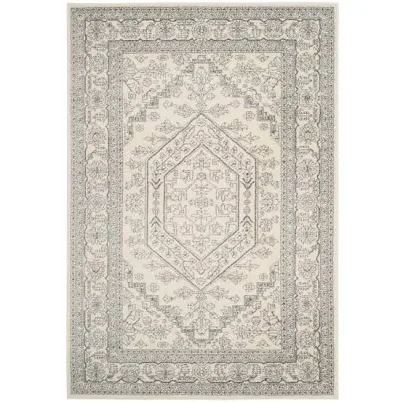
Safavieh Adirondack Rug
Lower PFAS concern for standard synthetic rug; ask Safavieh about finish treatments if durability is claimed.
Adirondack rugs are polypropylene and polyester, common synthetic fibers without inherent PFAS exposure. Safavieh makes no disclosure about stain-resist or soil-guard treatments that could contain PFAS.
We flunk more products than we pass. This one earned its grade. How we grade
Material
Polypropylene and polyester blend with acrylic backing
Brand disclosure
Brand is silent on PFAS
Lab data
No public lab test
You may also be interested in
Top-graded picks in the categories readers replace first, every one scored on the same rubric.

- polypropylene filter housing, carbon/sediment cartridge
- We found no PFAS statement from the brand
- Bacterial growth in spent cartridges
3 hazards checked on this product, all on its full breakdown.

Aquasure
Premier Series 75 GPD Under Sink Reverse Osmosis Water Filtration System
- RO membrane, carbon filters, stainless steel housing
- We found no PFAS statement from the brand
- Bacterial and microbial growth in housing and filters
4 hazards checked on this product, all on its full breakdown.

Avocado
Vegan Mattress
- organic cotton, natural latex, coconut coir, recycled steel coils
- The brand calls it PFAS-free, which we have not verified
- Heavy metals
2 hazards checked on this product, all on its full breakdown.
What Safavieh Adirondack Rug is made of, ingredients and materials
The Adirondack is a blend of polypropylene and polyester fibers with an acrylic backing, a common and relatively stable combination for indoor rugs. Polypropylene is a thermoplastic that resists moisture and mildew but can degrade under prolonged UV exposure or high heat, potentially releasing microfibers. Polyester adds durability and color retention. Acrylic backing provides dimensional stability but may off-gas volatile organic compounds (VOCs) during initial cure, especially in poorly ventilated spaces.
What’s concerning
Category baseline
The starting point for this type of product, before anything specific to this product is counted.
No PFAS disclosure
No public statement from the brand about PFAS in this product.
Volatile Organic Compounds (VOCs) from acrylic backing and dyes
Acrylic backings and synthetic dyes commonly release VOCs during the first weeks of use. No independent testing data from Safavieh is available; off-gassing levels depend on manufacturing process and ventilation conditions in the home.
Microfiber shedding from polypropylene and polyester blend
Synthetic fiber rugs naturally shed microfibers, especially during the first 6-12 months and with foot traffic. Inhalation of shed fibers is a theoretical concern in poorly ventilated spaces; regular HEPA vacuuming substantially reduces exposure.
Acrylic backing degradation and leachables over time
Acrylic backings can crack or peel with age, moisture exposure, or underfloor humidity, potentially releasing degradation byproducts. Proper ventilation and avoiding excess moisture minimize this risk.
What’s reassuring
Base material not linked to PFAS
The main material recorded for this product is not one associated with PFAS.
Azo dyes and dye-related allergens
No published reports of azo dye reactions or allergenic dye components in Safavieh Adirondack rugs exist. Industry-wide, most mass-market synthetic rugs use compliant dyes, but full transparency on dye chemistry is not provided by the brand.
Flame retardants
Safavieh does not disclose whether the Adirondack has been treated with flame retardant chemicals. US rugs must meet CPSC flammability standards, but methods vary; brominated or chlorinated retardants are possible but unconfirmed for this model.
Source, EPA ↗How is this PFAS grade calculated?
The brand's record and disclosure
Safavieh does not publicly disclose testing results, certifications (such as GreenGuard or Cradle to Cradle), or supplier audits for this product line. No recalls or safety alerts specific to the Adirondack have been issued by the CPSC or public databases. The brand's silence on finish treatments and chemical processing means third-party verification of dyeing practices, flame retardants, or anti-stain coatings is unavailable.
How it compares in its category
Synthetic blend rugs like this are standard mass-market offerings and typically carry lower lead or cadmium risk than hand-knotted wool rugs with natural dyes. Polypropylene rugs shed microfibers at higher rates than wool or natural fiber alternatives, and acrylic backings are more prone to off-gassing than jute or latex. The Adirondack's price point and construction quality place it in mid-tier durability; it will not outlast premium wool or silk rugs, so replacement cycles may increase long-term environmental burden.
If you buy it
Unroll and air out the rug in a well-ventilated space for 24-72 hours before placing in living areas to allow initial VOC release. Vacuum regularly with a HEPA-filter machine to minimize microfiber inhalation and accumulation. Avoid direct sunlight and keep away from heat sources (fireplaces, radiators) to slow fiber degradation. Do not use steam cleaners or apply solvent-based stain treatments unless specified by Safavieh; stick to water-based or enzymatic cleaners to prevent chemical degradation of the acrylic backing.
What is not known about PFAS in this product?
- Basis
- Model estimate, 72% confidence, not a lab result
- Lab test
- None on record for this exact product
- Brand statement
- Safavieh has made none
Formulations change between production runs, so check the current label. How we grade.
More area rugs grades
How we score, every product runs through the same public 0-100 rubric based on materials, coatings, brand disclosure, lab findings, and recalls. See the full methodology → Spotted a mistake? Report an error.