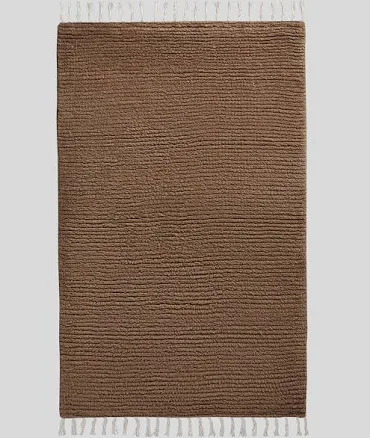
Parachute Rib Wool Rug
Lower concern; untreated wool rug carries minimal PFAS risk despite brand silence.
Rib Wool Rug is made from natural wool with no reported topical chemical treatment. Wool fiber does not require PFAS for function, though Parachute does not publicly address PFAS in this product line.
We flunk more products than we pass. This one earned its grade. How we grade
Material
wool fiber, no reported topical treatment
Brand disclosure
Brand is silent on PFAS
Lab data
No public lab test
You may also be interested in
Top-graded picks in the categories readers replace first, every one scored on the same rubric.

- polypropylene filter housing, carbon/sediment cartridge
- We found no PFAS statement from the brand
- Bacterial growth in spent cartridges
3 hazards checked on this product, all on its full breakdown.

Aquasure
Premier Series 75 GPD Under Sink Reverse Osmosis Water Filtration System
- RO membrane, carbon filters, stainless steel housing
- We found no PFAS statement from the brand
- Bacterial and microbial growth in housing and filters
4 hazards checked on this product, all on its full breakdown.

Avocado
Vegan Mattress
- organic cotton, natural latex, coconut coir, recycled steel coils
- The brand calls it PFAS-free, which we have not verified
- Heavy metals
2 hazards checked on this product, all on its full breakdown.
What Parachute Rib Wool Rug is made of, ingredients and materials
Parachute Rib is 100% natural wool fiber with no reported topical chemical treatments, dyes, or flame-retardant coatings applied post-manufacture. Wool's natural lanolin and protein structure resist moisture and microbial growth without synthetic antimicrobials or formaldehyde resins. This eliminates the off-gassing and dermal irritation risks common to synthetic rugs or chemically treated natural fibers. The rib weave is a structural pattern, not a chemical coating, so degradation over years is primarily mechanical wear, not chemical breakdown.
What’s concerning
Category baseline
The starting point for this type of product, before anything specific to this product is counted.
No PFAS disclosure
No public statement from the brand about PFAS in this product.
Heavy metals
Wool dyes can use heavy metal mordants (chrome, copper, iron) to fix color; Parachute has not disclosed dye sourcing or metal testing. Natural plant-based dyes are less likely to contain cadmium or lead, but synthetic acid dyes applied at mills may contain trace metals. No recalls or lab results are publicly available for this specific product.
Source, FDA ↗Pesticide residue
Untreated wool may retain pesticide residues from sheep farming (typically organophosphates or pyrethroids used for parasite control). Parachute does not advertise organic or pesticide-certified wool sourcing. Residual levels on finished rugs are generally very low and not a dermal contact hazard, but inhalation during vacuuming is theoretically possible with high-shedding new rugs.
Source, EPA ↗Dust and fiber inhalation from shedding
New wool rugs shed fibers, dust, and any residual agricultural particles during the first weeks. Regular vacuuming mitigates this. For people with wool allergies or asthma sensitive to particulates, pre-washing or air airing the rug before placement may reduce initial shedding. This is a mechanical hazard, not chemical.
What’s reassuring
Base material not linked to PFAS
The main material recorded for this product is not one associated with PFAS.
Formaldehyde / VOCs
The product is marketed as untreated wool with no chemical topical finishes, making formaldehyde-based sizing agents unlikely. If any sizing was used during weaving, it should off-gas and dissipate quickly after first washing. No recalls or complaints of formaldehyde odor from this specific rug are documented.
Source, ATSDR ↗Flame retardants
Wool is naturally flame-resistant due to high moisture content and protein structure. Parachute does not advertise additional flame-retardant coatings. No evidence of brominated or phosphorus-based flame retardants on this product is on record, making this hazard unlikely.
Source, EPA ↗How is this PFAS grade calculated?
The brand's record and disclosure
Parachute markets itself as a sustainable home brand but provides no public third-party testing data, GreenGuard certification, or detailed supplier chain transparency for this rug. The brand has not published statements on heavy metals in dyes, lanolin purity, or pesticide residues in raw wool. No recalls or formal complaints of chemical hazards linked to this specific product are on public record. Without independent verification, claims of safety rely on wool's inherent properties rather than brand accountability.
How it compares in its category
Untreated wool rugs score favorably against synthetic area rugs (polyester/nylon), which often off-gas volatile organic compounds and volatile flame retardants. Compared to lower-cost wool rugs that may use harsh synthetic dyes or antimicrobial finishes, Parachute's apparent lack of topical treatment is a material advantage. Natural fiber rugs do shed initially and require regular vacuuming to minimize dust and fiber ingestion; this is normal and not a chemical safety issue. Wool's durability means fewer replacements, reducing lifecycle chemical exposure versus disposable synthetic alternatives.
If you buy it
Vacuum thoroughly before first use and weekly thereafter to manage fiber shedding and accumulated dust. Wool accepts water-based spill cleanup; avoid solvent-based spot cleaners, which can strip lanolin and damage fibers. Professional cleaning every 1-2 years is recommended; use a cleaner experienced with wool to avoid over-wetting and mold risk. Expect gradual pile compression and color fading over 5-10 years of normal use; these are wear, not chemical degradation. If odor develops (musty smell from moisture retention), increase air circulation rather than applying chemical treatments.
What is not known about PFAS in this product?
- Basis
- Model estimate, 78% confidence, not a lab result
- Lab test
- None on record for this exact product
- Brand statement
- Parachute has made none
Formulations change between production runs, so check the current label. How we grade.
More area rugs grades
How we score, every product runs through the same public 0-100 rubric based on materials, coatings, brand disclosure, lab findings, and recalls. See the full methodology → Spotted a mistake? Report an error.