
Mohawk Home Harlyn Traditional Area Rug
Lower concern than treated apparel; stain treatment raises minor PFAS questions without brand transparency.
Harlyn Traditional rug is a synthetic fiber blend with advertised stain resistance, but Mohawk does not disclose whether PFAS-based chemistry or alternatives deliver this performance. Stain-resistant treatments may or may not use PFAS.
The better-graded swap
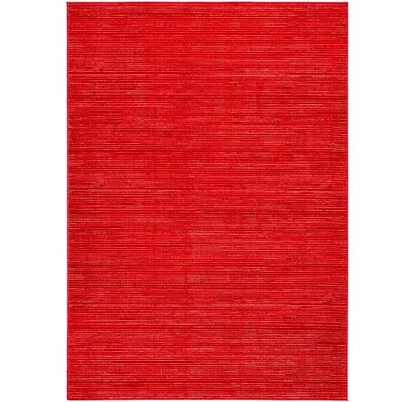
Safavieh
Safavieh Vision Rug
75/100 safety
Same rubric that flunked this product. The swap earned Excellent.
Still want this one anyway? Check the price on Amazon. We’d swap it.
Material
polypropylene and polyester fibers with stain-resistant treatment
Brand disclosure
Brand is silent on PFAS
Lab data
No public lab test
You may also be interested in
Top-graded picks in the categories readers replace first, every one scored on the same rubric.

- polypropylene filter housing, carbon/sediment cartridge
- We found no PFAS statement from the brand
- Bacterial growth in spent cartridges
3 hazards checked on this product, all on its full breakdown.

Aquasure
Premier Series 75 GPD Under Sink Reverse Osmosis Water Filtration System
- RO membrane, carbon filters, stainless steel housing
- We found no PFAS statement from the brand
- Bacterial and microbial growth in housing and filters
4 hazards checked on this product, all on its full breakdown.

Avocado
Vegan Mattress
- organic cotton, natural latex, coconut coir, recycled steel coils
- The brand calls it PFAS-free, which we have not verified
- Heavy metals
2 hazards checked on this product, all on its full breakdown.
What Mohawk Home Harlyn Traditional Area Rug is made of, ingredients and materials
Mohawk Home Harlyn uses polypropylene and polyester fibers, both synthetic thermoplastics chosen for durability and stain resistance. The stain-resistant treatment applied to the fibers is the main chemical concern; these treatments often rely on fluorochemical or silicone-based coatings to repel water and oils. Polypropylene itself is considered lower-toxicity, but the blend and surface treatments introduce potential off-gassing and durability questions over the rug's lifespan.
What’s concerning
Stain-resistant finish
Stain-resistant finishes are a common PFAS use.
Category baseline
The starting point for this type of product, before anything specific to this product is counted.
No PFAS disclosure
No public statement from the brand about PFAS in this product.
Volatile organic compounds (VOC) off-gassing from fibers and stain treatment
Polypropylene and polyester blends with stain-resistant coatings typically release low levels of VOCs during the first 1-2 weeks. This is most noticeable in sealed spaces; ventilation mitigates exposure significantly. No specific VOC emission test results are published by Mohawk for this SKU.
PFAS
Fluorochemical or silicone stain treatments degrade over repeated cleaning and wear. As coatings wear, fibers may shed treated particles into household dust. Mohawk does not identify the stain treatment chemistry, making independent risk assessment difficult. This is not unique to Harlyn but is a category-wide transparency gap.
Source, ATSDR ↗Microplastic shedding from synthetic fibers
Polypropylene and polyester rugs shed small synthetic fibers during vacuuming and foot traffic, particularly if pilling or degradation occurs. While not acutely toxic, chronic inhalation of microplastics is a growing environmental and health concern. High-traffic placement and lack of maintenance accelerate shedding.
What’s reassuring
Flame retardants
No published flame retardant content disclosed by Mohawk for this product. Polypropylene rugs are sometimes treated with brominated or phosphorus-based flame retardants, especially for commercial-grade products, but Harlyn's residential classification and lack of flammability marketing suggest minimal or no added FR agents. Absence of disclosure is common in the category and does not confirm safet
Source, EPA ↗Antimony in polyester component
Polyester fibers sometimes contain antimony trioxide as a catalyst residue from manufacturing. Exposure risk from a finished rug is low unless fibers degrade and dust is inhaled, but manufacturers rarely disclose antimony levels. No recalls or safety alerts apply to Mohawk Home rugs on this basis.
How is this PFAS grade calculated?
The brand's record and disclosure
Mohawk Home (owned by Mohawk Industries, a large carpet manufacturer) provides minimal public disclosure on chemical treatments in their residential rugs. The company has not published safety certifications such as Cradle to Cradle, GreenGuard, or FloorScore for this product line. Mohawk Industries has faced past litigation around carpet off-gassing and environmental practices, though no specific recalls or hazard notices apply to the Harlyn line based on available records.
How it compares in its category
This polypropylene-polyester blend is mainstream for budget-to-mid-range area rugs; similar construction appears across Mohawk, Safavieh, Threshold, and other mass-market brands. Certified alternatives (GreenGuard Gold, Cradle to Cradle) exist but command higher prices and are less common in traditional styling. The stain-resistant treatment is standard in this segment, so Harlyn does not stand out as higher or lower risk than comparable untested competitors.
If you buy it
Unroll and air out the rug in a well-ventilated space for 24-48 hours before placing indoors to reduce initial off-gassing odor. Avoid placing in very warm direct sunlight or near heat sources, as polypropylene can soften and off-gas more readily at elevated temperatures. Vacuum regularly and spot-clean with mild water or approved rug cleaners; harsh solvents may degrade the stain treatment. Replace the rug if visible fiber degradation, heavy pilling, or persistent chemical odor develops beyond the first week.
What is not known about PFAS in this product?
- Basis
- Model estimate, 62% confidence, not a lab result
- Lab test
- None on record for this exact product
- Brand statement
- Mohawk has made none
Formulations change between production runs, so check the current label. How we grade.
What are the PFAS-free alternatives to Mohawk Home Harlyn Traditional Area Rug?
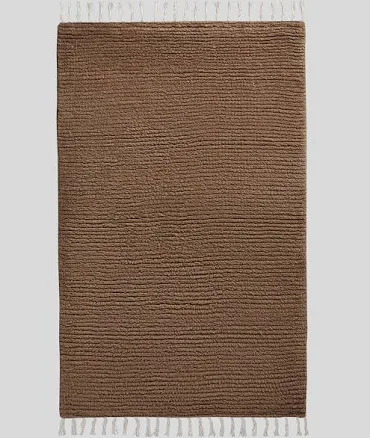
- wool fiber, no reported topical treatment
- We found no PFAS statement from the brand
- Heavy metals
3 hazards checked on this product, all on its full breakdown.
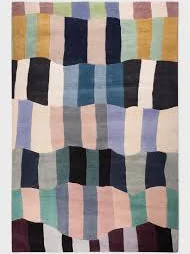
- wool and natural fibers (handmade rug)
- We found no PFAS statement from the brand
- Pesticide residue
4 hazards checked on this product, all on its full breakdown.
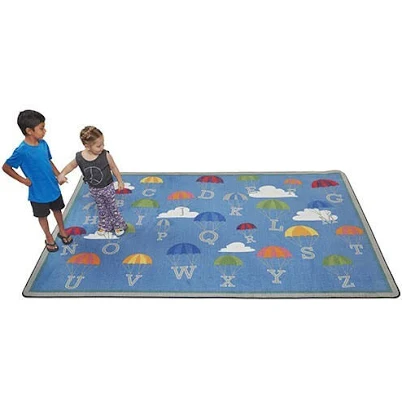
- polyester blend fabric, parachute construction
- We found no PFAS statement from the brand
- Flame retardants
4 hazards checked on this product, all on its full breakdown.
More area rugs grades
How we score, every product runs through the same public 0-100 rubric based on materials, coatings, brand disclosure, lab findings, and recalls. See the full methodology → Spotted a mistake? Report an error.