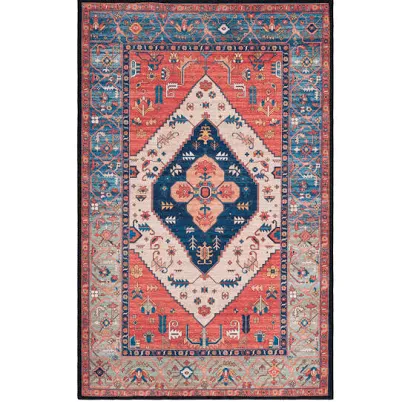
SAFAVIEH Tucson Machine Washable Slip Resistant Rug
Lower PFAS concern than treated textiles; slip-resistant backing warrants questions to Safavieh.
Tucson machine-washable rug uses polypropylene with a slip-resistant backing, but the brand makes no PFAS claims or transparency statements. Slip-resistant coatings can use PFAS, though many modern formulations do not.
The better-graded swap
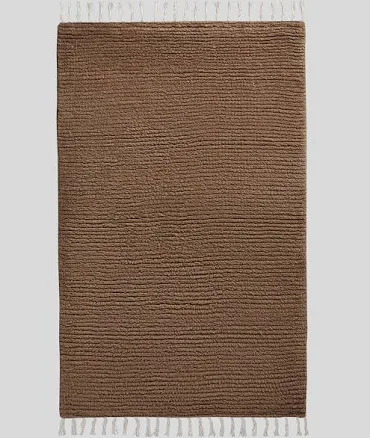
Parachute
Parachute Rib Wool Rug
75/100 safety
Same rubric that flunked this product. The swap earned Excellent.
Still want this one anyway? Check the price on Amazon. We’d swap it.
Material
Polypropylene with slip-resistant backing
Brand disclosure
Brand is silent on PFAS
Lab data
No public lab test
You may also be interested in
Top-graded picks in the categories readers replace first, every one scored on the same rubric.

- polypropylene filter housing, carbon/sediment cartridge
- We found no PFAS statement from the brand
- Bacterial growth in spent cartridges
3 hazards checked on this product, all on its full breakdown.

Aquasure
Premier Series 75 GPD Under Sink Reverse Osmosis Water Filtration System
- RO membrane, carbon filters, stainless steel housing
- We found no PFAS statement from the brand
- Bacterial and microbial growth in housing and filters
4 hazards checked on this product, all on its full breakdown.

Avocado
Vegan Mattress
- organic cotton, natural latex, coconut coir, recycled steel coils
- The brand calls it PFAS-free, which we have not verified
- Heavy metals
2 hazards checked on this product, all on its full breakdown.
What SAFAVIEH Tucson Machine Resistant Rug is made of, ingredients and materials
This rug is constructed from polypropylene (PP) fibers, a synthetic plastic polymer that is generally stable at room temperature but can degrade or release volatile compounds under heat or UV exposure. The slip-resistant backing is the material of concern here, Safavieh has not publicly disclosed its exact composition, which typically includes rubber, latex, or synthetic polymers bonded with adhesives. These adhesive systems and backing materials are where formaldehyde releasers, flame retardants, or other volatile organic compounds (VOCs) are most likely to off-gas, particularly in the first weeks after purchase.
What’s concerning
Category baseline
The starting point for this type of product, before anything specific to this product is counted.
No PFAS disclosure
No public statement from the brand about PFAS in this product.
VOC off-gassing from backing adhesives and synthetic rubber/latex
Slip-resistant backings typically use solvent-based or reactive adhesives; Safavieh does not disclose backing chemistry, so VOC content is unverified. New rugs commonly emit formaldehyde, benzene, or other volatiles in the first 1-4 weeks.
Formaldehyde / VOCs
Budget polypropylene rugs may use low-cost textile dyes or finishing resins that release formaldehyde over time, especially if the rug is not ozone-treated or pre-washed during manufacturing. No Oeko-Tex certification from Safavieh rules this out.
Source, ATSDR ↗Heavy metals
Colored polypropylene rugs rely on synthetic dyes; Safavieh has not published dye safety standards or restricted azo dye lists. Low-cost dyes may contain heavy metals such as lead or cadmium, especially in dark colors.
Source, FDA ↗Backing degradation and adhesive leaching during washing
Repeated machine washing can weaken the bond between fibers and slip-resistant backing, potentially releasing adhesive components into wash water or causing backing particles to shed into the home.
What’s reassuring
Base material not linked to PFAS
The main material recorded for this product is not one associated with PFAS.
Flame retardants
No recalls or testing confirms flame retardants in this specific product. Polypropylene is inherently less flammable than natural fibers, so chemical flame retardants are less common in PP rugs; however, Safavieh's silence on the topic prevents full assurance.
Source, EPA ↗How is this PFAS grade calculated?
The brand's record and disclosure
Safavieh is a large home textiles manufacturer but maintains minimal public transparency on chemical composition or third-party testing for VOCs, flame retardants, or heavy metals in dyes and backing materials. The company does not advertise certifications such as Global Organic Textile Standard (GOTS), Oeko-Tex, or FloorScore. No major safety recalls or chemical contamination incidents are established in public records for Safavieh rugs, but the lack of proactive disclosure is a flag for due diligence.
How it compares in its category
Machine-washable polypropylene rugs are common budget-friendly options and generally lower-risk than natural wool or cotton rugs treated with fire-retardant finishes. However, budget PP rugs often use cheaper backing adhesives with higher VOC profiles than premium brands. Competing brands like nuLOOM and Threshold sometimes provide GreenGuard or Oeko-Tex certifications; Safavieh's silence on this front places it in the middle-to-lower tier of transparency.
If you buy it
Unroll and air the rug outdoors or in a well-ventilated space for 48-72 hours before placing it in lived-in areas to allow initial off-gassing of VOCs from the backing adhesives. Vacuum regularly to minimize dust accumulation. Avoid placing it in direct sunlight or near heat sources, as UV and warmth can accelerate polymer degradation and VOC release. Machine wash only in cold water per label instructions; hot water may compromise the backing bond and leach adhesive components.
What is not known about PFAS in this product?
- Basis
- Model estimate, 62% confidence, not a lab result
- Lab test
- None on record for this exact product
- Brand statement
- Safavieh has made none
Formulations change between production runs, so check the current label. How we grade.
More area rugs grades
How we score, every product runs through the same public 0-100 rubric based on materials, coatings, brand disclosure, lab findings, and recalls. See the full methodology → Spotted a mistake? Report an error.