
Ruggable Re-Jute Rug Washable Rug
Elevated PFAS risk from stain and water treatment; avoid unless Ruggable provides PFAS-free certification.
Re-Jute rug is marketed as washable and stain-resistant, features that typically require water-repellent coating or stain-resistant coatings commonly tied to PFAS. Ruggable offers no public disclosure of whether its treatment uses PFAS-free chemistry.
The better-graded swap
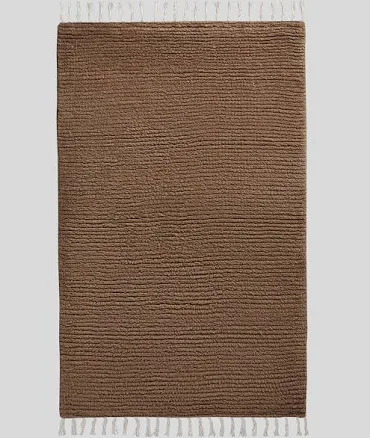
Parachute
Parachute Rib Wool Rug
75/100 safety
Same rubric that flunked this product. The swap earned Excellent.
Still want this one anyway? Check the price on Amazon. We’d swap it.
Material
Jute blend with stain/water-resistant treatment
Brand disclosure
Brand is silent on PFAS
Lab data
No public lab test
You may also be interested in
Top-graded picks in the categories readers replace first, every one scored on the same rubric.

- polypropylene filter housing, carbon/sediment cartridge
- We found no PFAS statement from the brand
- Bacterial growth in spent cartridges
3 hazards checked on this product, all on its full breakdown.

Aquasure
Premier Series 75 GPD Under Sink Reverse Osmosis Water Filtration System
- RO membrane, carbon filters, stainless steel housing
- We found no PFAS statement from the brand
- Bacterial and microbial growth in housing and filters
4 hazards checked on this product, all on its full breakdown.

Avocado
Vegan Mattress
- organic cotton, natural latex, coconut coir, recycled steel coils
- The brand calls it PFAS-free, which we have not verified
- Heavy metals
2 hazards checked on this product, all on its full breakdown.
What Ruggable Re-Jute Rug Washable Rug is made of, ingredients and materials
Ruggable Re-Jute combines natural jute fibers with synthetic backing, then applies a stain and water-resistant finish to achieve washability. The treatment chemistry is not publicly detailed by Ruggable, which is the core concern, water and stain resistance on textiles typically requires fluorochemical coatings (PFAS) or newer alternatives like wax-based or silicone systems. Jute itself is biodegradable and low-toxicity, but the applied finishes determine the safety profile of the finished rug.
What’s concerning
Category baseline
The starting point for this type of product, before anything specific to this product is counted.
No PFAS disclosure
No public statement from the brand about PFAS in this product.
Waterproof / stain-resistant treatment
Water-repellent coating treatments have historically used PFAS.
Synthetic backing and adhesives volatilization
The synthetic backing (likely polypropylene or similar) and any adhesive bonding jute to backing can off-gas VOCs (volatile organic compounds) in the first weeks to months of use, especially in warm or poorly ventilated spaces. Ruggable does not disclose backing composition or VOC certifications.
Formaldehyde / VOCs
Some stain/water-resistant finishes on textiles use formaldehyde-releasing resins for durability. Ruggable has not ruled this out. Formaldehyde exposure from rugs is typically low unless the rug is heavily treated and used in confined, warm spaces without ventilation.
Source, ATSDR ↗Microfiber shedding from synthetic backing
Polypropylene or synthetic backings can shed microfibers over time, especially with vacuuming or washing. This is typical for washable rugs and not specific to Ruggable, but the risk increases if backing integrity degrades or if the rug is aggressively cleaned.
PFAS
Fluorochemical coatings commonly used for stain/water resistance contain PFAS (PFAS "forever chemicals") that can persist in the home and accumulate in household dust. Ruggable's silence on treatment chemistry strongly suggests conventional fluorochemical finishes; this is assessed separately as PFAS grade Poor (30/100).
Source, ATSDR ↗What’s reassuring
Azo dyes in jute or synthetic components
No public reports of azo-dye concerns specific to Ruggable Re-Jute rugs. However, sourcing transparency for dyes is not disclosed; conventional dyes on imported textiles can include problematic azo compounds, though skin contact risk is minimal with floor rugs.
How is this PFAS grade calculated?
The brand's record and disclosure
Ruggable markets washable rugs as a premium, family-friendly product but has not publicly disclosed the specific chemistry of its stain/water-resistant treatments or provided third-party testing for PFAS content. The brand has no published PFAS commitments, transparency reports, or certifications (such as OEKO-TEX or GREENGUARD) that would clarify treatment safety. This silence is a red flag in an industry where PFAS-free alternatives exist but require deliberate sourcing and labeling.
How it compares in its category
Most traditional area rugs have no chemical treatments and are lower PFAS risk but lack stain resistance; budget washable rugs often use heavier fluorochemical coatings for durability. Ruggable occupies a middle-premium segment where transparency should be highest but is weakest. Competitors like some OEKO-TEX certified washable rugs or fully natural untreated jute alternatives offer clearer safety profiles, though with trade-offs in stain performance.
If you buy it
Request PFAS-free documentation from Ruggable before purchase; if unavailable, treat this as a PFAS-exposure product and limit use in children's spaces or bedrooms. Wash the rug in cool water initially to leach any loose finish residues before heavy use. Store away from food preparation areas and high-touch zones where residual coating particles might transfer to skin or mouths. Replace after 5-7 years or if stain/water resistance noticeably degrades, as aged or damaged coatings may shed more readily.
What is not known about PFAS in this product?
- Basis
- Model estimate, 45% confidence, not a lab result
- Lab test
- None on record for this exact product
- Brand statement
- Ruggable has made none
Formulations change between production runs, so check the current label. How we grade.
What are the PFAS-free alternatives to Ruggable Re-Jute Rug Washable Rug?
- wool fiber, no reported topical treatment
- We found no PFAS statement from the brand
- Heavy metals
3 hazards checked on this product, all on its full breakdown.
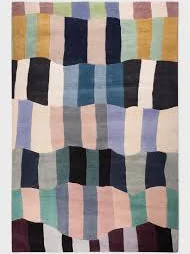
- wool and natural fibers (handmade rug)
- We found no PFAS statement from the brand
- Pesticide residue
4 hazards checked on this product, all on its full breakdown.
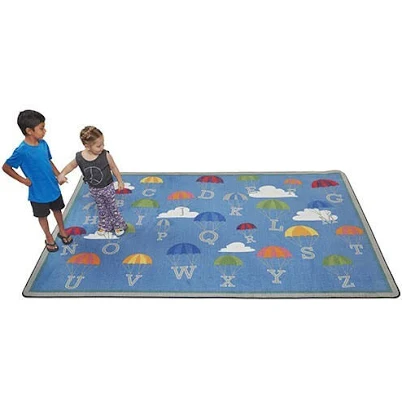
- polyester blend fabric, parachute construction
- We found no PFAS statement from the brand
- Flame retardants
4 hazards checked on this product, all on its full breakdown.
More area rugs grades
How we score, every product runs through the same public 0-100 rubric based on materials, coatings, brand disclosure, lab findings, and recalls. See the full methodology → Spotted a mistake? Report an error.