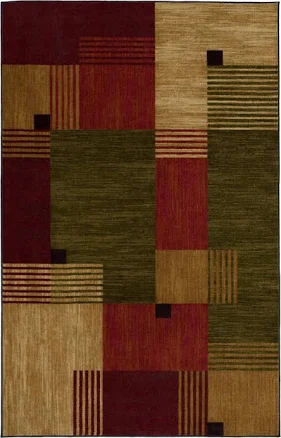
Mohawk Home Alliance Rug
Stain-resistant treatment raises concern without brand disclosure of chemistry.
This rug has a stain and soil resist treatment, a category historically linked to PFAS-based water-repellent coating chemistry. Mohawk has no PFAS statement on record for this product.
The better-graded swap
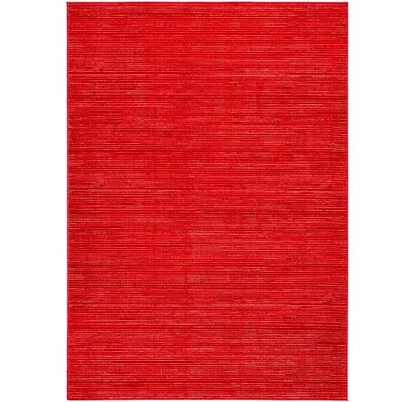
Safavieh
Safavieh Vision Rug
75/100 safety
Same rubric that flunked this product. The swap earned Excellent.
Still want this one anyway? Check the price on Amazon. We’d swap it.
Material
Polypropylene with stain/soil resist treatment
Brand disclosure
Brand is silent on PFAS
Lab data
No public lab test
You may also be interested in
Top-graded picks in the categories readers replace first, every one scored on the same rubric.

- polypropylene filter housing, carbon/sediment cartridge
- We found no PFAS statement from the brand
- Bacterial growth in spent cartridges
3 hazards checked on this product, all on its full breakdown.

Aquasure
Premier Series 75 GPD Under Sink Reverse Osmosis Water Filtration System
- RO membrane, carbon filters, stainless steel housing
- We found no PFAS statement from the brand
- Bacterial and microbial growth in housing and filters
4 hazards checked on this product, all on its full breakdown.

Avocado
Vegan Mattress
- organic cotton, natural latex, coconut coir, recycled steel coils
- The brand calls it PFAS-free, which we have not verified
- Heavy metals
2 hazards checked on this product, all on its full breakdown.
What Mohawk Home Alliance Rug is made of, ingredients and materials
Mohawk Home Alliance is constructed from polypropylene fibers, a synthetic plastic polymer that is inherently stain-resistant and durable but requires chemical treatments to enhance performance. The stain/soil resist treatment applied to this product is not publicly disclosed by Mohawk, which is the core concern, industry-standard stain treatments on polypropylene rugs typically use PFAS-based fluorocarbon compounds or other persistent finish chemicals. Polypropylene itself does not off-gas significant volatile organic compounds under normal room conditions, making the finish chemistry the primary exposure pathway.
What’s concerning
Category baseline
The starting point for this type of product, before anything specific to this product is counted.
No PFAS disclosure
No public statement from the brand about PFAS in this product.
Waterproof / stain-resistant treatment
Water-repellent coating treatments have historically used PFAS.
PFAS
Polypropylene rugs marketed with stain/soil resist almost always use PFAS-based finishes unless explicitly labeled otherwise. Mohawk provides no chemical disclosure, making exposure to PFOA, PFOS, or GenX-class compounds a reasonable expectation.
Source, ATSDR ↗Volatile organic compound (VOC) off-gassing from finish cure
New synthetic rugs can emit odors during the first days to weeks; while polypropylene fiber itself is low-VOC, the stain-treatment chemicals may release volatiles. Intensity depends on the finish formulation, which is not disclosed.
Microfiber shedding and inhalation
Polypropylene fibers shed, especially in the first weeks of use and after heavy foot traffic. Shed fibers are not inherently toxic but represent plastic microparticle ingestion/inhalation; vacuuming reduces this substantially.
Finish coating degradation and particle release over time
As the stain-resist coating wears, particles (and any associated chemicals) may become airborne or embedded in dust. Replacement of the rug or professional cleaning may become necessary if the finish visibly cracks or flakes.
What’s reassuring
Formaldehyde / VOCs
No documented issues with Mohawk Home rugs, but synthetic rug backings can contain formaldehyde-releasing adhesives. Not specific to this product; verify ventilation if the rug smells strongly of chemical odor beyond the first 48 hours.
Source, ATSDR ↗How is this PFAS grade calculated?
The brand's record and disclosure
Mohawk Home, a major U.S. rug manufacturer, does not publicly disclose the specific chemical composition of its stain-resist treatments or provide third-party certifications (such as Cradle to Cradle, GreenGuard, or STANDARD 100 by OEKO-TEX) that would indicate PFAS avoidance. The brand has issued no transparency statements regarding PFAS use in its product line. This silence is notable given that competitors like some Ruggable and certain Safavieh collections have begun disclosing PFAS-free or low-PFAS formulations. Without direct contact with Mohawk, the chemical identity of the finish remains proprietary.
How it compares in its category
Polypropylene rugs dominate the mid-market consumer rug segment; most brands in this tier apply undisclosed stain treatments, making Mohawk typical rather than exceptional on disclosure. However, alternatives exist, wool or untreated natural fiber rugs eliminate the finish chemistry question entirely; synthetic rugs with explicit PFAS-free certifications cost 10-30 percent more but remove ambiguity. Mohawk's lack of transparency puts it behind transparent manufacturers but ahead of brands with documented issues. Budget-conscious consumers often accept undisclosed finishes; those prioritizing chemical disclosure should seek certified alternatives.
If you buy it
Ventilate the room well for 24-48 hours after unrolling and installation, as new synthetic rugs can release residual odor (likely from the finish cure process). Vacuum weekly with a HEPA-filter vacuum to minimize dust and potential settled chemicals; avoid steam cleaning unless Mohawk explicitly permits it, as heat can alter coating stability. Spot-clean spills promptly using the brand's recommended cleaners only; aggressive scrubbing or high heat may degrade the finish and increase fiber shedding. Replace after 7-10 years or if the backing delaminates, a sign the finish and adhesive bonds are failing.
What is not known about PFAS in this product?
- Basis
- Model estimate, 55% confidence, not a lab result
- Lab test
- None on record for this exact product
- Brand statement
- Mohawk has made none
Formulations change between production runs, so check the current label. How we grade.
What are the PFAS-free alternatives to Mohawk Home Alliance Rug?
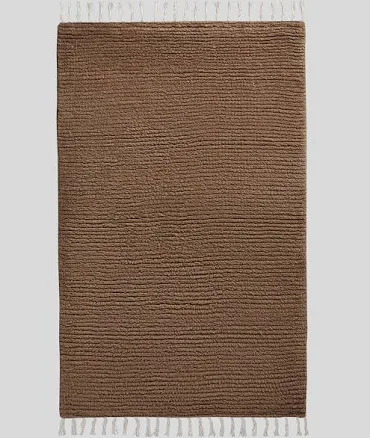
- wool fiber, no reported topical treatment
- We found no PFAS statement from the brand
- Heavy metals
3 hazards checked on this product, all on its full breakdown.
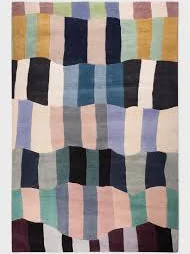
- wool and natural fibers (handmade rug)
- We found no PFAS statement from the brand
- Pesticide residue
4 hazards checked on this product, all on its full breakdown.
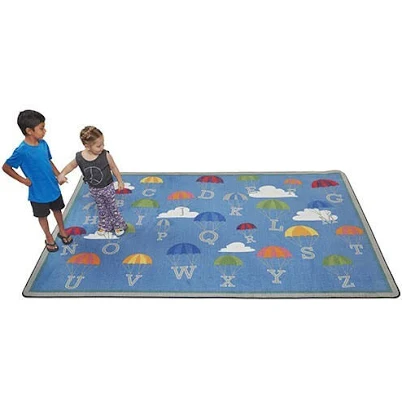
- polyester blend fabric, parachute construction
- We found no PFAS statement from the brand
- Flame retardants
4 hazards checked on this product, all on its full breakdown.
More area rugs grades
How we score, every product runs through the same public 0-100 rubric based on materials, coatings, brand disclosure, lab findings, and recalls. See the full methodology → Spotted a mistake? Report an error.