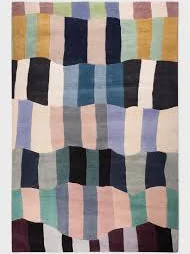
Paul Smith Parachute Sky Handmade Rug
Lower concern; handmade wool rug is unlikely to contain PFAS without Parachute's explicit disclosure.
Sky Handmade Rug is crafted from natural fibers including wool, which inherently carry lower PFAS risk than synthetic or heavily treated textiles. Parachute does not disclose PFAS testing or finishing treatment details.
We flunk more products than we pass. This one earned its grade. How we grade
Material
wool and natural fibers (handmade rug)
Brand disclosure
Brand is silent on PFAS
Lab data
No public lab test
You may also be interested in
Top-graded picks in the categories readers replace first, every one scored on the same rubric.

- polypropylene filter housing, carbon/sediment cartridge
- We found no PFAS statement from the brand
- Bacterial growth in spent cartridges
3 hazards checked on this product, all on its full breakdown.

Aquasure
Premier Series 75 GPD Under Sink Reverse Osmosis Water Filtration System
- RO membrane, carbon filters, stainless steel housing
- We found no PFAS statement from the brand
- Bacterial and microbial growth in housing and filters
4 hazards checked on this product, all on its full breakdown.

Avocado
Vegan Mattress
- organic cotton, natural latex, coconut coir, recycled steel coils
- The brand calls it PFAS-free, which we have not verified
- Heavy metals
2 hazards checked on this product, all on its full breakdown.
What Paul Smith Parachute Sky Handmade Rug is made of, ingredients and materials
This rug is constructed from wool and natural fibers, handmade rather than factory-produced with synthetic binders or petroleum-based coatings. Wool itself is inherently low-risk for the hazards common in synthetic or heavily treated textiles, it does not shed microplastics, does not contain flame retardant chemicals by default, and is biodegradable. The primary chemical exposure concern in wool rugs is residual pesticide or insecticide from sheep farming, and any synthetic dyes or finishing treatments applied during production or in the final hand-finishing process.
What’s concerning
Category baseline
The starting point for this type of product, before anything specific to this product is counted.
No PFAS disclosure
No public statement from the brand about PFAS in this product.
Pesticide residue
Wool farming may involve dip-treatments to prevent parasites. Parachute does not disclose whether the wool is organic or conventionally sourced; conventional wool may retain trace pesticide residues.
Source, EPA ↗Azo dyes and synthetic colorants
If the rug is dyed with synthetic azo dyes rather than natural dyes, certain azo compounds can break down into carcinogenic amines under heat or hydrolysis. Parachute does not specify dye type; handmade does not guarantee natural dyes.
Formaldehyde / VOCs
Even natural-fiber rugs may use formaldehyde-based sizing or adhesives in the backing to stabilize the weave. Parachute does not publish backing material specifications for this product.
Source, ATSDR ↗Volatile organic compound (VOC) off-gassing
New rugs, especially handmade ones that may use sizing or finishing agents, can release mild VOCs during the first few weeks. This is typically low-level and resolves quickly with ventilation.
What’s reassuring
Base material not linked to PFAS
The main material recorded for this product is not one associated with PFAS.
Flame retardants
Wool is naturally flame-resistant and does not require added flame retardants by regulation; untreated wool rugs do not carry this hazard. No evidence suggests Parachute adds chemical flame retardants to this product.
Source, EPA ↗How is this PFAS grade calculated?
The brand's record and disclosure
Parachute is a contemporary home goods brand known for positioning itself in the 'clean' or 'sustainable' segment, but its public material safety disclosures are limited. The brand does not publish third-party certifications (such as Oeko-Tex or Global Organic Textile Standard) for this specific rug on widely available materials. Parachute has maintained a silent stance on PFAS and detailed fiber treatments, which is unremarkable for the category but represents a transparency gap compared to competitors like Etsy artisans or certified sustainable brands. No significant safety recalls or controversies are documented for Parachute rugs.
How it compares in its category
Handmade wool rugs show lower concern compared to synthetic alternatives (polyester, nylon) or chemically treated natural fibers when considering PFAS-related hazards. Mass-produced synthetic rugs often carry flame retardants, plasticizers, and off-gassing volatiles; this handmade product avoids those risks. Parachute's version sits mid-tier in terms of transparency, certified organic or Oeko-Tex wool rugs from specialty makers offer more detailed chemical accountability, while budget synthetic rugs carry higher cumulative hazard exposure.
If you buy it
Vacuum regularly to minimize dust accumulation (wool naturally sheds fine fibers, not microplastics). Avoid prolonged exposure to direct intense heat or steam cleaning; hand-washing or professional dry-cleaning is gentler. If the rug is newly received, air it outdoors for 24-48 hours to off-gas any residual manufacturing odors. Rotate the rug annually to even wear, and inspect seams and backing annually for mold or pest activity, especially in humid climates; handmade rugs can develop odor issues if moisture-trapped.
What is not known about PFAS in this product?
- Basis
- Model estimate, 75% confidence, not a lab result
- Lab test
- None on record for this exact product
- Brand statement
- Parachute has made none
Formulations change between production runs, so check the current label. How we grade.
More area rugs grades
How we score, every product runs through the same public 0-100 rubric based on materials, coatings, brand disclosure, lab findings, and recalls. See the full methodology → Spotted a mistake? Report an error.