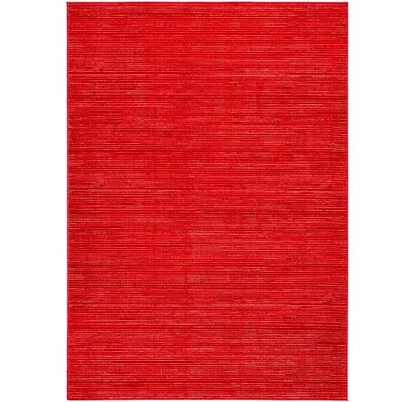
Safavieh Vision Rug
Lower concern for typical PFAS risk; synthetic rugs rarely use PFAS unless marketed water or stain-resistant.
Vision Rugs are standard synthetic fiber construction with no public disclosure of PFAS-containing treatments or PFAS-free certification. Without stain-resist or water-repellent marketing, PFAS risk is lower than treated textiles.
We flunk more products than we pass. This one earned its grade. How we grade
Material
polypropylene/polyester blend pile on synthetic backing
Brand disclosure
Brand is silent on PFAS
Lab data
No public lab test
You may also be interested in
Top-graded picks in the categories readers replace first, every one scored on the same rubric.

- polypropylene filter housing, carbon/sediment cartridge
- We found no PFAS statement from the brand
- Bacterial growth in spent cartridges
3 hazards checked on this product, all on its full breakdown.

Aquasure
Premier Series 75 GPD Under Sink Reverse Osmosis Water Filtration System
- RO membrane, carbon filters, stainless steel housing
- We found no PFAS statement from the brand
- Bacterial and microbial growth in housing and filters
4 hazards checked on this product, all on its full breakdown.

Avocado
Vegan Mattress
- organic cotton, natural latex, coconut coir, recycled steel coils
- The brand calls it PFAS-free, which we have not verified
- Heavy metals
2 hazards checked on this product, all on its full breakdown.
What Safavieh Vision Rug is made of, ingredients and materials
Safavieh Vision rugs use a polypropylene and polyester pile (the visible fiber surface) bonded to a synthetic backing, typically latex or polyurethane-based. Polypropylene is a thermoplastic polymer chosen for durability and stain resistance without chemical treatment in most cases. The synthetic backing provides structure but can off-gas volatile organic compounds (VOCs) during initial months; polyester pile itself is chemically stable under normal indoor temperature and humidity.
What’s concerning
Category baseline
The starting point for this type of product, before anything specific to this product is counted.
No PFAS disclosure
No public statement from the brand about PFAS in this product.
Volatile organic compound (VOC) off-gassing
Synthetic backing materials commonly off-gas low to moderate levels of VOCs during the first weeks to months after manufacture and delivery. The Vision line's specific backing composition is not disclosed, so the magnitude cannot be quantified; ventilation during initial use minimizes inhalation risk.
Degradation and microfiber shedding over time
Polypropylene and polyester pile naturally sheds loose fibers, particularly during the first year and under heavy foot traffic. Shed synthetic fibers may accumulate household dust but do not pose acute chemical toxicity; however, prolonged inhalation in poorly ventilated rooms could irritate airways in sensitive individuals.
Synthetic backing breakdown and mold risk
Latex or polyurethane backing can degrade if exposed to prolonged moisture or humidity, creating conditions for mold or mildew growth beneath the rug. This is an environmental and moisture-control issue rather than a direct chemical hazard, but a failed backing may trap moisture and allergens.
What’s reassuring
Base material not linked to PFAS
The main material recorded for this product is not one associated with PFAS.
Formaldehyde / VOCs
No public reports or product disclosures indicate formaldehyde-based glues or resin finishes in Safavieh Vision rugs. Polypropylene and polyester do not require formaldehyde for stabilization, but adhesives joining pile to backing could be a source if urea-formaldehyde is used; Safavieh does not specify this.
Source, ATSDR ↗Heavy metals
Safavieh Vision rugs undergo industrial dyeing, but no specific lead, cadmium, or chromium contamination has been reported. Synthetic polyester and polypropylene accept synthetic azo dyes that are commonly used in the industry without heavy-metal additives, though vendor testing is not published.
Source, FDA ↗How is this PFAS grade calculated?
The brand's record and disclosure
Safavieh is a major home-furnishings manufacturer with no public record of chemical safety certifications (such as GreenGuard or FloorScore) for the Vision line. The brand does not publish detailed material safety or PFAS treatment disclosures. No significant recalls or chemical contamination incidents are on record for this product line, though the company's silence on chemical inputs limits independent verification of compliance with VOC or heavy-metal standards.
How it compares in its category
Synthetic rugs like Vision are lower-cost alternatives to wool or natural fiber options and typically carry lower formaldehyde risk than pressed-wood or adhesive-heavy constructions. However, they do off-gas more readily than natural materials and offer no third-party certification advantage over competitors in the same price tier. If chemical sensitivity is a concern, certified low-VOC or natural-fiber rugs command a premium but provide transparency Safavieh does not.
If you buy it
Air out the rug in a well-ventilated space for the first 48 to 72 hours after delivery to allow initial off-gassing to dissipate. Avoid placing it in direct sunlight for extended periods, as polypropylene can degrade and become brittle over years of UV exposure. Use a non-toxic, low-moisture vacuum or dry cleaning method; hot water or steam cleaning is not recommended as it can soften the synthetic backing and trap moisture. Replace the rug if backing visibly breaks down, crumbles, or releases odors, as this signals material failure and possible dust contamination.
What is not known about PFAS in this product?
- Basis
- Model estimate, 72% confidence, not a lab result
- Lab test
- None on record for this exact product
- Brand statement
- Safavieh has made none
Formulations change between production runs, so check the current label. How we grade.
More area rugs grades
How we score, every product runs through the same public 0-100 rubric based on materials, coatings, brand disclosure, lab findings, and recalls. See the full methodology → Spotted a mistake? Report an error.