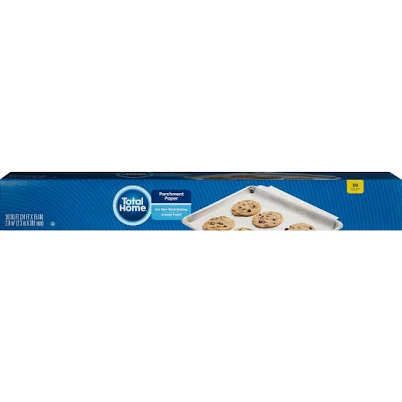
Total Home · Parchment Paper & Baking Liners
CVS Total Home Parchment Paper 30 ct
Parchment paper likely lower concern. Coating source unclear.
CVS parchment paper uses heat-resistant coating, likely silicone or wax rather than fluorinated chemicals. Coating composition remains unconfirmed by the brand.
The better-graded swap
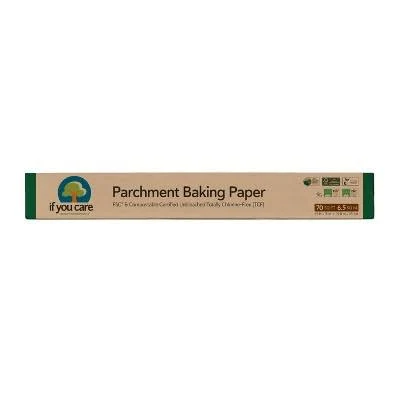
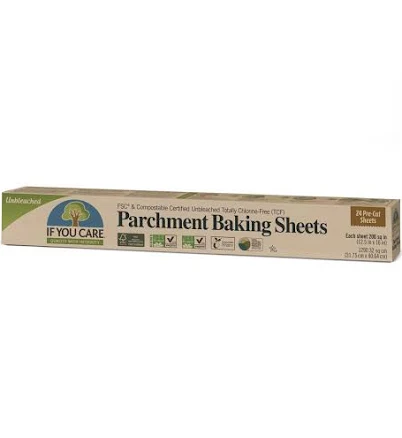
If You Care
If You Care Parchment Baking Paper
90/100 safety
Same rubric that flunked this product. The swap earned Excellent.
Still want this one anyway? Check the price on Amazon. We’d swap it.
Material
paper with silicone or wax coating
Brand disclosure
Brand is silent on PFAS
Lab data
No public lab test
You may also be interested in
Top-graded picks in the categories readers replace first, every one scored on the same rubric.

- polypropylene filter housing, carbon/sediment cartridge
- We found no PFAS statement from the brand
- Bacterial growth in spent cartridges
3 hazards checked on this product, all on its full breakdown.

Aquasure
Premier Series 75 GPD Under Sink Reverse Osmosis Water Filtration System
- RO membrane, carbon filters, stainless steel housing
- We found no PFAS statement from the brand
- Bacterial and microbial growth in housing and filters
4 hazards checked on this product, all on its full breakdown.

Avocado
Vegan Mattress
- organic cotton, natural latex, coconut coir, recycled steel coils
- The brand calls it PFAS-free, which we have not verified
- Heavy metals
2 hazards checked on this product, all on its full breakdown.
What CVS Total Home Parchment Paper 30 ct is made of, ingredients and materials
CVS Total Home parchment paper is cellulose paper coated with either silicone or food-grade wax to provide non-stick and heat resistance. Silicone-coated varieties are inert at typical cooking temperatures (up to 420F) and do not migrate into food under normal baking use. Wax-coated alternatives (often soy or paraffin) are also considered food-safe but have lower heat tolerance. The paper substrate itself is bleached and processed, but no hazardous residues from this processing are documented for major retailers' house-brand parchment.
What’s concerning
Category baseline
The starting point for this type of product, before anything specific to this product is counted.
No PFAS disclosure
No public statement from the brand about PFAS in this product.
Waterproof / stain-resistant treatment
Water-repellent coating treatments have historically used PFAS.
Silicone or wax coating migration at high heat
Silicone coatings are chemically stable and non-toxic but can degrade above 450F, potentially releasing particles. Most home baking stays below this threshold, making risk low in practice.
Mold or bacterial growth if stored damp
Paper is hygroscopic and can absorb moisture in humid kitchens, creating conditions for mold. This is a storage issue, not a manufacturing defect, and is preventable with proper cabinet conditions.
Coating adhesion loss over time or with age
Users occasionally report parchment paper developing flaking or peeling of the silicone layer with prolonged storage or after multiple moistening cycles. This is cosmetic and low-risk if visible flakes are discarded, but indicates product shelf life limits.
Incompletely disclosed additives in coating
Manufacturer does not disclose slip agents, release aids, or other minor coating additives. Industry standard compounds are food-approved, but transparency is absent; risk is theoretical given regulatory approval.
What’s reassuring
Bleach residues in paper substrate
Chlorine-based bleaching is standard in parchment paper production but is fully rinsed during manufacturing. No documented cases of bleach residue contamination in retail parchment paper.
How is this PFAS grade calculated?
The brand's record and disclosure
CVS Total Home (manufactured by Glad) does not publish detailed material safety data sheets or sustainability certifications for parchment paper on their website. Glad has no known recalls or regulatory actions specific to parchment products. The brand remains silent on PFAS use in coatings, which is standard practice across retail parchment; however, parchment is generally considered lower-risk for PFAS migration compared to other food-contact papers because it is used at high heat and for short durations. No third-party certifications (e.g., FSC, chlorine-free processing) are advertised for this product.
How it compares in its category
Retail parchment papers are largely interchangeable in composition and safety profile. CVS Total Home sits in the mainstream unbleached-or-bleached, silicone-coated segment, which dominates grocery shelves. Specialty alternatives like unbleached or wax-only options offer marginal material advantages but at higher cost; certified compostable parchments exist but are rarer. The CVS product offers no unique advantage or disadvantage relative to store brands from Kroger, Safeway, or Amazon Basics in terms of documented safety.
If you buy it
Use parchment paper for baking at temperatures up to 420F; higher heat risks coating degradation and potential smoke. Do not reuse sheets if they show visible charring, discoloration, or coating flaking. Store in a cool, dry place to prevent moisture absorption and mold. Replace the roll every 6-12 months or sooner if the paper becomes brittle, tears easily, or shows signs of coating separation from the substrate.
What is not known about PFAS in this product?
- Basis
- Model estimate, 55% confidence, not a lab result
- Lab test
- None on record for this exact product
- Brand statement
- Total Home has made none
Formulations change between production runs, so check the current label. How we grade.
What are the PFAS-free alternatives to CVS Total Home Parchment Paper 30 ct?
- silicone-coated parchment paper
- The brand calls it PFAS-free, which we have not verified
- Paper degradation and particulate shedding
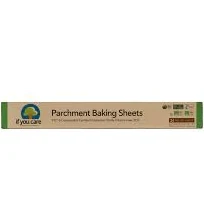
- unbleached paper with silicone coating
- The brand calls it PFAS-free, which we have not verified
- Silicone coating degradation at high heat
- bleached paper with silicone coating
- The brand calls it PFAS-free, which we have not verified
- Paper degradation and fragmentation
More parchment paper & baking liners grades
How we score, every product runs through the same public 0-100 rubric based on materials, coatings, brand disclosure, lab findings, and recalls. See the full methodology → Spotted a mistake? Report an error.