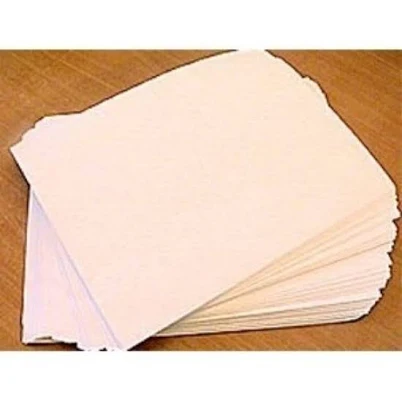
· Parchment Paper & Baking Liners
Parchment Paper
Grease-resistant coating source unclear. PFAS risk uncertain.
Glad parchment paper requires water and grease-resistant coating. Glad discloses nothing about coating composition, leaving PFAS presence unknowable.
The better-graded swap
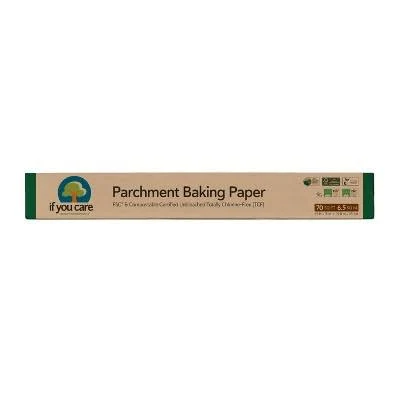
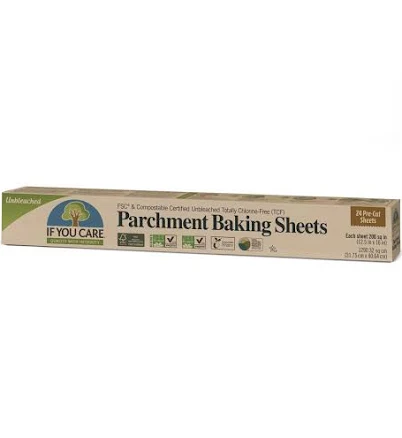
If You Care
If You Care Parchment Baking Paper
90/100 safety
Same rubric that flunked this product. The swap earned Excellent.
Still want this one anyway? Check the price on Amazon. We’d swap it.
Material
cellulose paper with non-stick, grease-resistant coating
Brand disclosure
Brand is silent on PFAS
Lab data
No public lab test
You may also be interested in
Top-graded picks in the categories readers replace first, every one scored on the same rubric.

- polypropylene filter housing, carbon/sediment cartridge
- We found no PFAS statement from the brand
- Bacterial growth in spent cartridges
3 hazards checked on this product, all on its full breakdown.

Aquasure
Premier Series 75 GPD Under Sink Reverse Osmosis Water Filtration System
- RO membrane, carbon filters, stainless steel housing
- We found no PFAS statement from the brand
- Bacterial and microbial growth in housing and filters
4 hazards checked on this product, all on its full breakdown.

Avocado
Vegan Mattress
- organic cotton, natural latex, coconut coir, recycled steel coils
- The brand calls it PFAS-free, which we have not verified
- Heavy metals
2 hazards checked on this product, all on its full breakdown.
What Parchment Paper is made of, ingredients and materials
Glad parchment paper is cellulose paper treated with a non-stick, grease-resistant coating. The coating's composition is not publicly disclosed by Glad, which is typical for the category. Cellulose itself is food-safe and biodegradable, but the coating's chemical identity, whether silicone-based, wax-based, or synthetic polymer, determines the safety profile at high temperatures. Coatings can degrade or migrate into food if exposed to heat beyond their rated tolerance.
What’s concerning
Category baseline
The starting point for this type of product, before anything specific to this product is counted.
No PFAS disclosure
No public statement from the brand about PFAS in this product.
Waterproof / stain-resistant treatment
Water-repellent coating treatments have historically used PFAS.
Coating migration at high temperature
Parchment coating chemistry is proprietary and undisclosed by Glad. If the coating contains synthetic polymers or waxes, heating above 400F may cause partial migration into fatty foods. Risk is low under normal use (baking at 350-375F) but increases with broiling or direct contact with high-heat oils.
Thermal degradation and smoke generation
Parchment paper can char or emit smoke if exposed to temperatures above its rated maximum (typically 420F for Glad). Charring produces small amounts of combustion byproducts but does not pose acute inhalation risk in a well-ventilated oven. Browning or darkening of the paper indicates heat stress and is a signal to discard and replace.
Allergen cross-contamination from reuse
Reusing a single sheet of parchment paper across multiple foods can leave traces of oils, spices, or allergens on the surface. This is not a product defect but a user-practice issue. Single-use per batch minimizes this risk, especially in allergen-sensitive households.
What’s reassuring
Microplastic particles from paper breakdown
No published evidence shows that Glad parchment paper sheds microplastic fragments into food during normal baking. The cellulose base is stable at typical cooking temperatures. Risk would only increase if the paper is torn, shredded by vigorous mixing, or reused many times until structural failure.
Adhesive or ink contamination from packaging
The parchment sheets themselves are food-grade, but the roll's packaging and printing may contain residual inks or adhesives. Direct contact between food and the printed box exterior should be avoided. No specific incidents have been reported with Glad parchment paper packaging.
How is this PFAS grade calculated?
The brand's record and disclosure
Glad does not publish detailed ingredient disclosures or third-party certifications for this parchment paper product. The brand has not publicly committed to PFAS-free formulations, and no safety data sheet is readily available to consumers. No major recalls or health controversies have been associated with Glad parchment paper specifically. This silence on coating chemistry is common across mainstream parchment brands but limits independent verification of hazard exposure.
How it compares in its category
Most conventional parchment papers (including Glad, Reynolds, and store brands) use similar undisclosed coating systems and carry the same uncertainty around PFAS presence. Alternatives include silicone-coated paper (more heat-stable but also undisclosed) and uncoated kraft paper or butcher paper (no non-stick benefit but zero coating risk). Certified compostable or organic parchment products exist but are less common and offer no guaranteed hazard reduction unless coating details are transparent.
If you buy it
Use Glad parchment paper at temperatures below 400F (most parchment papers are rated to 400-420F; check the box). Do not use on direct flame or under a broiler. Replace the sheet if it tears, browns excessively, or shows visible degradation, as coating breakdown can increase leaching risk. Store in a cool, dry place away from strong odors and do not reuse sheets for multiple baking cycles if they show wear.
What is not known about PFAS in this product?
- Basis
- Model estimate, 45% confidence, not a lab result
- Lab test
- None on record for this exact product
- Brand statement
- has made none
Formulations change between production runs, so check the current label. How we grade.
What are the PFAS-free alternatives to Parchment Paper?
- silicone-coated parchment paper
- The brand calls it PFAS-free, which we have not verified
- Paper degradation and particulate shedding
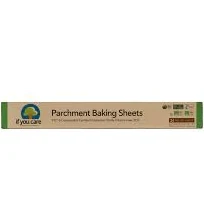
- unbleached paper with silicone coating
- The brand calls it PFAS-free, which we have not verified
- Silicone coating degradation at high heat
- bleached paper with silicone coating
- The brand calls it PFAS-free, which we have not verified
- Paper degradation and fragmentation
More parchment paper & baking liners grades
How we score, every product runs through the same public 0-100 rubric based on materials, coatings, brand disclosure, lab findings, and recalls. See the full methodology → Spotted a mistake? Report an error.