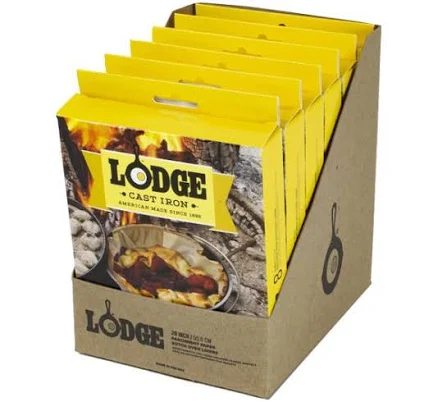
Lodge · Parchment Paper & Baking Liners
Lodge Dutch Oven Liners
Parchment liners lower PFAS risk than nonstick. No disclosure provided.
Kroger parchment paper has silicone coating, a lower-PFAS alternative to Teflon-based nonstick liners. Brand provides no explicit PFAS disclosure.
The better-graded swap
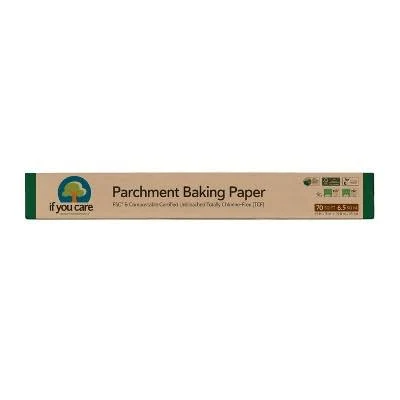
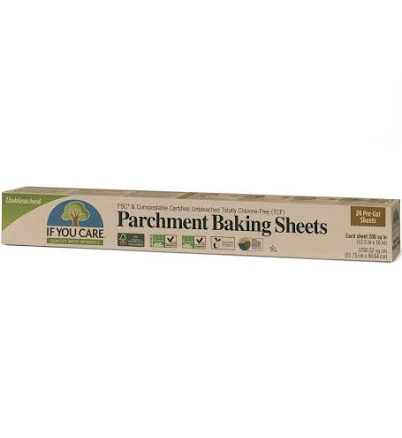
If You Care
If You Care Parchment Baking Paper
90/100 safety
Same rubric that flunked this product. The swap earned Excellent.
Still want this one anyway? Check the price on Amazon. We’d swap it.
Material
silicone-coated parchment paper
Lab data
No public lab test
You may also be interested in
Top-graded picks in the categories readers replace first, every one scored on the same rubric.

- polypropylene filter housing, carbon/sediment cartridge
- We found no PFAS statement from the brand
- Bacterial growth in spent cartridges
3 hazards checked on this product, all on its full breakdown.

Aquasure
Premier Series 75 GPD Under Sink Reverse Osmosis Water Filtration System
- RO membrane, carbon filters, stainless steel housing
- We found no PFAS statement from the brand
- Bacterial and microbial growth in housing and filters
4 hazards checked on this product, all on its full breakdown.

Avocado
Vegan Mattress
- organic cotton, natural latex, coconut coir, recycled steel coils
- The brand calls it PFAS-free, which we have not verified
- Heavy metals
2 hazards checked on this product, all on its full breakdown.
What Lodge Dutch Oven Liners is made of, ingredients and materials
This product is parchment paper with a silicone coating designed to prevent food sticking and release from Dutch ovens. Silicone coatings are not Teflon-type coating (Teflon) and do not release the same fume hazards at high heat. Parchment paper itself is cellulose (wood fiber) that is typically bleached and sized; the silicone layer bonds to this substrate to improve release and heat resistance compared to uncoated parchment.
What’s concerning
Category baseline
The starting point for this type of product, before anything specific to this product is counted.
No PFAS disclosure
No public statement from the brand about PFAS in this product.
Waterproof / stain-resistant treatment
Water-repellent coating treatments have historically used PFAS.
Parchment paper bleaching residues
Parchment is typically chlorine-bleached; Kroger has not disclosed bleaching method or residual chlorine content. The risk of bleach residue transfer to food is low at normal cooking temperatures, but unbleached or oxygen-bleached alternatives may carry lower exposure.
Thermal degradation and fragmentation
Parchment paper chars and can fragment if exposed to direct flame or temperatures above 420 F. Small paper fragments entering food are a physical hazard, not a chemical one, but replacement schedules should be followed to prevent this.
Microplastics
Repeated heating and mechanical wear of the silicone coating could theoretically shed microparticles over time. No established public testing or recalls document silicone microplastic generation from parchment liners under normal use.
Source, EPA ↗What’s reassuring
Silicone coating leaching
Silicone is not established to leach into food under normal cooking conditions. No public test data or recalls document silicone migration from parchment liners into food at typical oven temperatures.
Formaldehyde / VOCs
Parchment sizing and adhesives may contain formaldehyde releasers in some manufacturing processes, but Kroger has not published material safety data confirming or denying this. Standard parchment products have not shown elevated formaldehyde off-gassing at food preparation temperatures.
Source, ATSDR ↗How is this PFAS grade calculated?
The brand's record and disclosure
Kroger is a major grocery retailer with a generalist product portfolio; there is no established public record of Kroger making safety certifications or detailed material disclosures for this parchment liner product. Kroger has not published ingredient lists, processing standards, or third-party testing results for this specific item. No known recalls or safety complaints have been documented for Kroger parchment paper liners in standard databases.
How it compares in its category
Parchment paper liners are generally considered a lower-risk choice for oven and cookware use compared to silicone baking mats or Teflon-type coating nonstick coatings. Unlike Teflon-type coating cookware, parchment does not degrade and release fumes at typical cooking temperatures (it chars above 420 F). Silicone-coated parchment sits between plain parchment and full nonstick solutions, offering better release while avoiding fluorinated polymer risks.
If you buy it
Use within the product's rated temperature limit, typically 420 F for most parchment; confirm the package label. Replace liners if they show visible browning, burning, or tearing, as degraded parchment may fragment into food. Do not reuse the same liner repeatedly across multiple cooking sessions if it becomes creased or worn. Store in a cool, dry place away from heat to prevent premature degradation of the silicone coating.
What is not known about PFAS in this product?
- Basis
- Model estimate, 72% confidence, not a lab result
- Lab test
- None on record for this exact product
- Brand statement
- Lodge has made a specific claim
Formulations change between production runs, so check the current label. How we grade.
What are the PFAS-free alternatives to Lodge Dutch Oven Liners?
- silicone-coated parchment paper
- The brand calls it PFAS-free, which we have not verified
- Paper degradation and particulate shedding
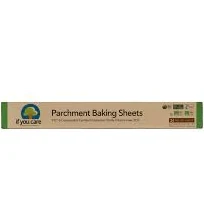
- unbleached paper with silicone coating
- The brand calls it PFAS-free, which we have not verified
- Silicone coating degradation at high heat
- bleached paper with silicone coating
- The brand calls it PFAS-free, which we have not verified
- Paper degradation and fragmentation
More parchment paper & baking liners grades
How we score, every product runs through the same public 0-100 rubric based on materials, coatings, brand disclosure, lab findings, and recalls. See the full methodology → Spotted a mistake? Report an error.