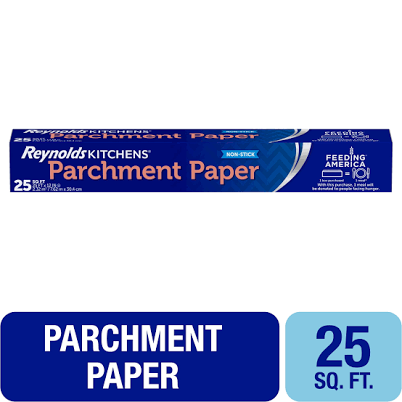
Reynolds · Parchment Paper & Baking Liners
Reynolds Kitchens Parchment Paper Roll, 25 ft x 12 in, 25 Total Sq. ft.
Parchment coating source unclear. Ask retailer for PFAS information.
Reynolds and Kroger parchment paper uses grease-resistant coating but disclose nothing about treatment chemistry. PFAS use in parchment is historically documented.
The better-graded swap
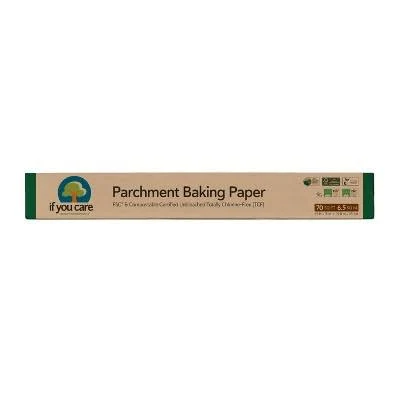
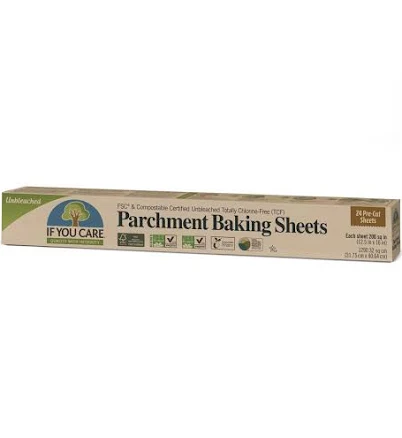
If You Care
If You Care Parchment Baking Paper
90/100 safety
Same rubric that flunked this product. The swap earned Excellent.
Still want this one anyway? Check the price on Amazon. We’d swap it.
Material
silicone-coated paper, grease-resistant treatment unspecified
Lab data
No public lab test
You may also be interested in
Top-graded picks in the categories readers replace first, every one scored on the same rubric.

- polypropylene filter housing, carbon/sediment cartridge
- We found no PFAS statement from the brand
- Bacterial growth in spent cartridges
3 hazards checked on this product, all on its full breakdown.

Aquasure
Premier Series 75 GPD Under Sink Reverse Osmosis Water Filtration System
- RO membrane, carbon filters, stainless steel housing
- We found no PFAS statement from the brand
- Bacterial and microbial growth in housing and filters
4 hazards checked on this product, all on its full breakdown.

Avocado
Vegan Mattress
- organic cotton, natural latex, coconut coir, recycled steel coils
- The brand calls it PFAS-free, which we have not verified
- Heavy metals
2 hazards checked on this product, all on its full breakdown.
What Reynolds Kitchens Parchment Total Sq. ft. is made of, ingredients and materials
This product is paper coated with silicone, a synthetic rubber polymer that creates the non-stick, grease-resistant surface. The silicone coating itself is inert at normal baking temperatures, but the manufacturing process or additives used to bond silicone to paper are not disclosed by Kroger or Reynolds. The specific treatment chemistry, whether it includes fluorinated compounds (PFAS) for enhanced water and grease resistance, remains unclear from public labeling.
What’s concerning
Category baseline
The starting point for this type of product, before anything specific to this product is counted.
No PFAS disclosure
No public statement from the brand about PFAS in this product.
Waterproof / stain-resistant treatment
Water-repellent coating treatments have historically used PFAS.
PFAS
Parchment paper coatings commonly use fluorinated compounds for water and grease repellency. Kroger/Reynolds do not disclose whether this specific product contains PFAS; assume possible presence unless manufacturer confirms otherwise via direct inquiry.
Source, ATSDR ↗Silicone coating degradation and microparticle release
Repeated heating above 420°F, physical stress (folding, creasing), or contact with acidic foods can cause silicone to peel or fragment. Small silicone particles may transfer to food; long-term health impact of ingested silicone particles is not well-established but warrants precaution.
Chlorine residue (if bleached paper base)
Most commodity parchment paper is made from bleached wood pulp; residual chlorine or chlorine dioxide is typically removed but not always disclosed. No specific testing data for this product; assume standard pulp practices unless certified chlorine-free.
Off-gassing or thermal decomposition at high heat
At temperatures above 450°F, silicone and paper adhesives may begin to thermally degrade, releasing volatile organic compounds (VOCs). Reynolds and Kroger specify maximum 420°F; exceeding this risks uncontrolled fume release.
What’s reassuring
Adhesive or residual chemical leaching from paper-coating bond
No recalls or reported incidents of harmful leaching from Kroger or Reynolds parchment. FDA-compliant food contact adhesives and sizing chemicals are standard, but exact formulations are proprietary and undisclosed.
How is this PFAS grade calculated?
The brand's record and disclosure
Kroger's private-label parchment paper provides no safety documentation, material sourcing details, or third-party certifications (e.g., FDA approval letters, chlorine-free verification). Reynolds Kitchens, the manufacturing partner, historically emphasizes oven-safe temperatures but does not publicly commit to PFAS-free formulations or disclose coating chemistry. Neither brand has faced major recalls for this product, but transparency on non-stick treatment sources is minimal across the parchment category.
How it compares in its category
Silicone-coated parchment is the mainstream option in US grocery retail; uncoated parchment and ceramic-coated alternatives exist but are less common. Kroger's version is priced competitively with Reynolds and store brands from competitors. Most silicone parchment on the market shares the same disclosure gap regarding PFAS content, making this product representative of category-wide opacity rather than distinctly risky.
If you buy it
Use only at temperatures up to 420°F; higher heat risks silicone degradation and potential coating particle release. Avoid prolonged contact with acidic foods (vinegar, citrus, tomato) and do not reuse excessively wrinkled or peeling sheets. Store in a cool, dry place away from direct sunlight to slow silicone aging. If coating appears to flake, discard the roll immediately.
What is not known about PFAS in this product?
- Basis
- Model estimate, 35% confidence, not a lab result
- Lab test
- None on record for this exact product
- Brand statement
- Reynolds has made a specific claim
Formulations change between production runs, so check the current label. How we grade.
What are the PFAS-free alternatives to Reynolds Kitchens Parchment Paper Roll, 25 ft x 12 in, 25 Total Sq. ft.?
- silicone-coated parchment paper
- The brand calls it PFAS-free, which we have not verified
- Paper degradation and particulate shedding
- unbleached paper with silicone coating
- The brand calls it PFAS-free, which we have not verified
- Silicone coating degradation at high heat
- bleached paper with silicone coating
- The brand calls it PFAS-free, which we have not verified
- Paper degradation and fragmentation
More parchment paper & baking liners grades
How we score, every product runs through the same public 0-100 rubric based on materials, coatings, brand disclosure, lab findings, and recalls. See the full methodology → Spotted a mistake? Report an error.