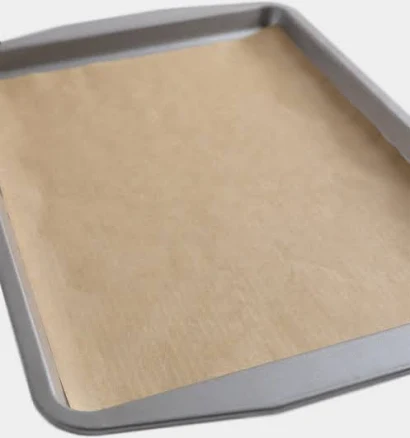
· Parchment Paper & Baking Liners
Parchment Paper Sheets, 200 Sheets
Lower concern; traditional parchment paper is silicone-coated, not fluorinated; verify ingredient details with the manufacturer.
Parchment paper is typically made from wood pulp coated with food-grade silicone, not Teflon-family coating or Teflon-type coating. The brand makes no public disclosure of PFAS testing or composition.
The better-graded swap
If You Care
If You Care Baking Paper, Parchment, 70 Square Feet
90/100 safety
Same rubric that flunked this product. The swap earned Excellent.
Still want this one anyway? Check the price on Amazon. We’d swap it.
Material
cellulose paper with silicone coating
Brand disclosure
Brand is silent on PFAS
Lab data
No public lab test
You may also be interested in
Top-graded picks in the categories readers replace first, every one scored on the same rubric.

- polypropylene filter housing, carbon/sediment cartridge
- We found no PFAS statement from the brand
- Bacterial growth in spent cartridges
3 hazards checked on this product, all on its full breakdown.

Aquasure
Premier Series 75 GPD Under Sink Reverse Osmosis Water Filtration System
- RO membrane, carbon filters, stainless steel housing
- We found no PFAS statement from the brand
- Bacterial and microbial growth in housing and filters
4 hazards checked on this product, all on its full breakdown.

Avocado
Vegan Mattress
- organic cotton, natural latex, coconut coir, recycled steel coils
- The brand calls it PFAS-free, which we have not verified
- Heavy metals
2 hazards checked on this product, all on its full breakdown.
What Parchment Paper Sheets, 200 Sheets is made of, ingredients and materials
Sheets are cellulose paper coated with food-grade silicone, a non-fluorinated polymer. Silicone coatings are chemically inert at typical baking temperatures (up to 420-450°F) and do not leach into food under normal use. The cellulose substrate is bleached or unbleached plant fiber; the silicone provides the non-stick surface and heat resistance that distinguish parchment from regular paper.
What’s concerning
Category baseline
The starting point for this type of product, before anything specific to this product is counted.
No PFAS disclosure
No public statement from the brand about PFAS in this product.
Waterproof / stain-resistant treatment
Water-repellent coating treatments have historically used PFAS.
Silicone coating degradation and shedding at high heat
If parchment is used above recommended temperature (>450°F) or in direct contact with heat sources, silicone can degrade and potentially shed particles into food. No incidents reported for specifically; risk is theoretical and preventable with proper use.
Microplastic shedding from wear or aging
Silicone is a synthetic polymer; repeated use or storage in warm environments can cause surface flaking over extended periods. Risk is low for short-term use (weeks to months) but increases if sheets are stored for years or reused multiple times.
What’s reassuring
Bleach residue or peroxide residue in processed cellulose
Cellulose is typically treated with hydrogen peroxide or chlorine bleach during manufacturing. Industry standards require residues to be below food-contact limits; no contamination reported in conventional parchment. The brand does not disclose bleaching method or residual testing.
Off-gassing of processing chemicals during initial use
New parchment may emit faint odors from manufacturing residue. No hazardous off-gassing compounds have been identified in industry testing. Airing out unopened packages or rinsing under water before first use reduces any residual odor.
Inkjet or surface printing toxicity
Sheets are typically unprinted. If any package labeling or product numbering is printed directly on the sheets, food-contact-safe inks should be used; not stated in available product information.
How is this PFAS grade calculated?
The brand's record and disclosure
The brand maintains minimal public disclosure on its website regarding material sourcing, certifications, or chemical testing. The brand does not advertise third-party certifications (e.g., NSF, FDA clearance statements) or PFAS testing results. No safety recalls or contamination incidents are on record for this product or brand. Silent stance on PFAS is typical for traditional parchment manufacturers, as silicone coatings are inherently non-fluorinated.
How it compares in its category
Silicone-coated parchment is the category standard and has lower concern than fluorinated alternatives (which do exist in the market and carry PFAS concern). Unbleached parchment options exist but offer no documented safety advantage; bleached parchment uses hydrogen peroxide rather than chlorine, which is standard in the industry. Compared to reusable silicone baking mats, single-use parchment is more convenient but generates more waste.
If you buy it
Use parchment at temperatures up to the stated package limit (typically 420-450°F); do not expose to direct flame or broiler. Replace sheets if they show browning, cracking, or silicone flaking. Store in a cool, dry place away from direct sunlight to prevent silicone degradation over years. Parchment is compostable in industrial facilities but not home compost; check local waste guidelines.
What is not known about PFAS in this product?
- Basis
- Model estimate, 72% confidence, not a lab result
- Lab test
- None on record for this exact product
- Brand statement
- has made none
Formulations change between production runs, so check the current label. How we grade.
What are the PFAS-free alternatives to Parchment Paper Sheets, 200 Sheets?
- silicone-coated parchment paper
- The brand calls it PFAS-free, which we have not verified
- Paper degradation and particulate shedding
- unbleached paper with silicone coating
- The brand calls it PFAS-free, which we have not verified
- Silicone coating degradation at high heat
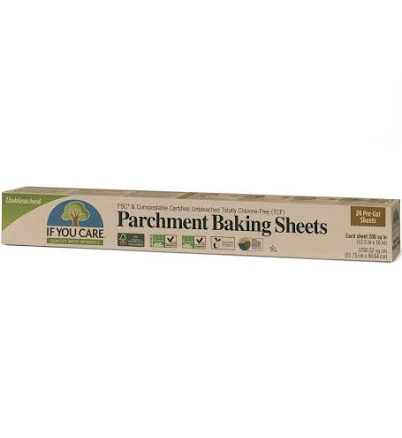
- bleached paper with silicone coating
- The brand calls it PFAS-free, which we have not verified
- Paper degradation and fragmentation
More parchment paper & baking liners grades
How we score, every product runs through the same public 0-100 rubric based on materials, coatings, brand disclosure, lab findings, and recalls. See the full methodology → Spotted a mistake? Report an error.