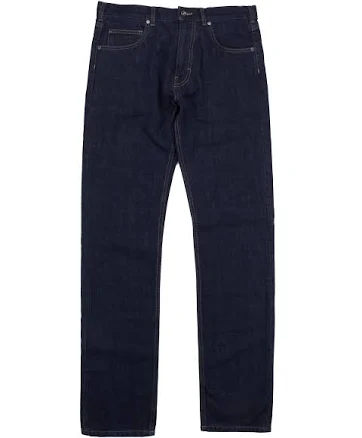
Patagonia · Stain-Resistant Jeans
Patagonia Men's Performance Straight Fit Jeans
Brand PFAS statement on record, which we have not verified.
Patagonia says 100% of its new products from Spring 2025 are made without intentionally added PFAS. We record that as an unverified brand claim.
Brand says: “Patagonia says 100% of its new products from Spring 2025 are made without intentionally added PFAS.”
We flunk more products than we pass. This one earned its grade. How we grade
Material
cotton/organic cotton denim
Brand disclosure
Brand claims PFAS-free
Lab data
No public lab test
You may also be interested in
Top-graded picks in the categories readers replace first, every one scored on the same rubric.

- polypropylene filter housing, carbon/sediment cartridge
- We found no PFAS statement from the brand
- Bacterial growth in spent cartridges
3 hazards checked on this product, all on its full breakdown.

Aquasure
Premier Series 75 GPD Under Sink Reverse Osmosis Water Filtration System
- RO membrane, carbon filters, stainless steel housing
- We found no PFAS statement from the brand
- Bacterial and microbial growth in housing and filters
4 hazards checked on this product, all on its full breakdown.

Avocado
Vegan Mattress
- organic cotton, natural latex, coconut coir, recycled steel coils
- The brand calls it PFAS-free, which we have not verified
- Heavy metals
2 hazards checked on this product, all on its full breakdown.
What Patagonia Men's Performance Fit Jeans is made of, ingredients and materials
These jeans are constructed from cotton or organic cotton denim, a cellulose fiber that does not inherently leach chemicals during wear or washing. The Performance line suggests a functional finish applied to the fabric; Patagonia states this finish avoids PFAS "forever chemicals" commonly used in stain resistance. Cotton denim is mechanically stable and does not degrade into microplastics under normal laundering, unlike synthetic textiles.
What’s concerning
Category baseline
The starting point for this type of product, before anything specific to this product is counted.
What’s reassuring
Brand-stated PFAS-free
The brand states this product is PFAS-free. We have not verified the claim.
Base material not linked to PFAS
The main material recorded for this product is not one associated with PFAS.
Azo dyes
No public recall or safety report links azo dye hazards to Patagonia cotton denim. Azo dyes used in textiles are regulated in most markets; cotton fabric dyeing in compliance facilities presents no established risk during wear or laundering.
Formaldehyde / VOCs
Patagonia's published chemical policy and third-party certifications indicate avoidance of formaldehyde-release finishes. No field reports of formaldehyde off-gassing or contact dermatitis specific to this product line are on record.
Source, ATSDR ↗Antimony in polyester dyes (not applicable here)
These jeans are cotton-based, not polyester, so antimony contamination from polyester dye carriers is not a hazard pathway for this product.
Microplastic shedding from synthetic treatments
Cotton denim does not shed microplastics during washing because the fiber is cellulose, not synthetic polymer. The finish applied by Patagonia is not known to create microplastic fragments under standard laundering.
Heavy metals
Patagonia's transparency commitments and bluesign certification include heavy metal controls in the dyeing process. No documented contamination of lead, cadmium, or other heavy metals in finished Patagonia denim has been reported.
Source, FDA ↗How is this PFAS grade calculated?
The brand's record and disclosure
Patagonia has a documented public commitment to eliminating PFAS from its product line and publishes annual transparency reports on chemical use and supply-chain practices. The company has pursued third-party certifications including bluesign and Cradle to Cradle for various garments. No significant chemical safety recalls or substantiated hazard reports specific to Patagonia denim have entered public record in recent years.
How it compares in its category
Most stain-resistant denim on the market uses fluorochemical (PFAS) treatments to achieve water and oil repellency. Patagonia's PFAS-free alternative places it in a smaller, more transparent subset of the market. Organic cotton versions further reduce pesticide residue compared to conventional cotton denim, though both show lower concern for PFAS-related hazards once finished and worn.
If you buy it
Wash in cool water with mild detergent to extend the finish and reduce unnecessary fiber shedding. Air dry when possible to avoid heat stress; high heat in the dryer can accelerate fabric degradation, though it poses no chemical release risk. Replace when seams fail or fabric integrity visibly declines, typically after 2-3 years of regular wear. No special precautions are needed beyond standard garment care.
What is not known about PFAS in this product?
- Basis
- Model estimate, 72% confidence, not a lab result
- Lab test
- None on record for this exact product
- Brand statement
- Patagonia has made a specific claim
Formulations change between production runs, so check the current label. How we grade.
More stain-resistant jeans grades
How we score, every product runs through the same public 0-100 rubric based on materials, coatings, brand disclosure, lab findings, and recalls. See the full methodology → Spotted a mistake? Report an error.