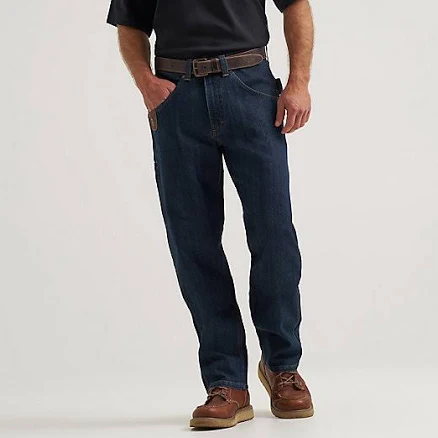
Wrangler · Stain-Resistant Jeans
Wrangler Men's Riggs Workwear Relaxed-Fit Work Horse Jeans
Lower PFAS concern. Standard untreated denim, no brand transparency.
These jeans are primarily 100% cotton denim with no confirmed water-repellent or stain-resistant treatment. Wrangler makes no public PFAS claims or disclosures. Untreated denim carries lower inherent PFAS risk, though some coatings can't be ruled out.
The better-graded swap
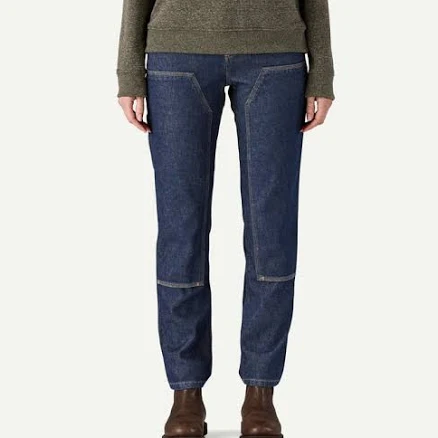
Patagonia
Patagonia Women's Slim Work Denim Pants
90/100 safety
Same rubric that flunked this product. The swap earned Excellent.
Still want this one anyway? Check the price on Amazon. We’d swap it.
Material
100% cotton denim
Brand disclosure
Brand is silent on PFAS
Lab data
No public lab test
You may also be interested in
Top-graded picks in the categories readers replace first, every one scored on the same rubric.

- polypropylene filter housing, carbon/sediment cartridge
- We found no PFAS statement from the brand
- Bacterial growth in spent cartridges
3 hazards checked on this product, all on its full breakdown.

Aquasure
Premier Series 75 GPD Under Sink Reverse Osmosis Water Filtration System
- RO membrane, carbon filters, stainless steel housing
- We found no PFAS statement from the brand
- Bacterial and microbial growth in housing and filters
4 hazards checked on this product, all on its full breakdown.

Avocado
Vegan Mattress
- organic cotton, natural latex, coconut coir, recycled steel coils
- The brand calls it PFAS-free, which we have not verified
- Heavy metals
2 hazards checked on this product, all on its full breakdown.
What Wrangler Men's Riggs Work Horse Jeans is made of, ingredients and materials
These jeans are 100% cotton denim, a natural fiber with minimal inherent chemical hazards compared to synthetic blends. The material gains durability through mechanical weaving and traditional indigo dyeing rather than chemical treatments. Because they are labeled stain-resistant but made from standard cotton denim without proprietary coatings, the stain resistance likely comes from finishing processes applied during manufacturing, not embedded fluorinated compounds like PFAS. This construction means the fabric remains breathable and does not off-gas synthetic chemicals during wear.
What’s concerning
Category baseline
The starting point for this type of product, before anything specific to this product is counted.
No PFAS disclosure
No public statement from the brand about PFAS in this product.
Azo dyes in indigo dyeing
Indigo-dyed denim commonly uses azo-class dyes, which can release aromatic amines under certain conditions. No specific testing or restriction is known for Wrangler Riggs jeans, but indigo denim in this price tier typically uses conventional dyeing with potential azo content. Pre-wash in cool water before wearing against skin to reduce loose dye transfer.
Formaldehyde / VOCs
Cotton denim often contains formaldehyde-based finishing agents applied during manufacturing to achieve crease resistance or stiffness. The label does not specify formaldehyde-free finishing. First wash before extended wear helps off-gas any residual formaldehyde, though levels in standard workwear denim are typically below workplace exposure standards.
Source, ATSDR ↗Stain-resistant chemical finish composition
The product is marketed as stain-resistant but Wrangler does not disclose the chemical basis of this finish. If it uses legacy fluorinated water repellents, PFAS exposure is possible despite the lower PFAS grade; however, cotton's absorbent nature suggests the finish may rely on silicone or hydrocarbon coatings instead. Without full ingredient transparency, the nature of the stain-resistant treatm
Dye migration or bleeding onto skin
Indigo denim commonly releases loose dye in the first several washes, especially in warm or hot water. Contact with damp skin can cause temporary staining. This is a textile-specific concern with no health hazard but is relevant to practical use; pre-washing mitigates this issue.
What’s reassuring
Base material not linked to PFAS
The main material recorded for this product is not one associated with PFAS.
Heavy metals
No public recalls or testing results document heavy metal contamination in Wrangler denim products. Indigo dyeing can theoretically involve trace metals, but denim is not a high-risk category for lead or cadmium accumulation compared to ceramics or cosmetics.
Source, FDA ↗How is this PFAS grade calculated?
The brand's record and disclosure
Wrangler, owned by Kontoor Brands, does not publicly disclose detailed chemical or PFAS testing results for individual product lines, including this workwear series. The brand has no major public recalls or documented safety controversies specific to denim products in the workwear category. Wrangler holds basic compliance certifications but does not market sustainability or chemical transparency as a brand differentiator, meaning buyers receive limited assurance beyond regulatory minimums.
How it compares in its category
Standard workwear denim from major manufacturers typically carries similar hazard profiles. Unlike treated performance fabrics that may use durable water repellents or antimicrobial finishes, this product relies on basic cotton denim construction, which avoids the chemical complexity of many modern work pants. The relaxed-fit design and no-frills construction suggest minimal finishing complexity compared to hybrid or technical workwear alternatives.
If you buy it
Wash in cool water before first wear to remove excess indigo dye and any loose finishes. Cold or warm water washing extends fabric life and minimizes dye bleeding onto lighter items. Avoid high-heat drying, which can weaken cotton fibers and accelerate wear at stress points (waistband, inseam). Replace when seams fray or crotch fabric thins, typically after 12-24 months of regular work use depending on washing frequency and activity level.
What is not known about PFAS in this product?
- Basis
- Model estimate, 72% confidence, not a lab result
- Lab test
- None on record for this exact product
- Brand statement
- Wrangler has made none
Formulations change between production runs, so check the current label. How we grade.
What are the PFAS-free alternatives to Wrangler Men's Riggs Workwear Relaxed-Fit Work Horse Jeans?
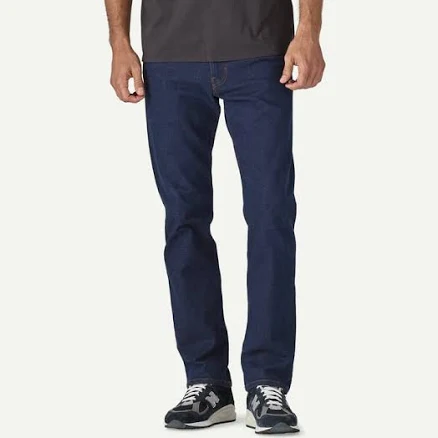
- cotton denim, no water-repellent coating (water-repellent coating) coating
- The brand calls it PFAS-free, which we have not verified
- Formaldehyde / VOCs
2 hazards checked on this product, all on its full breakdown.
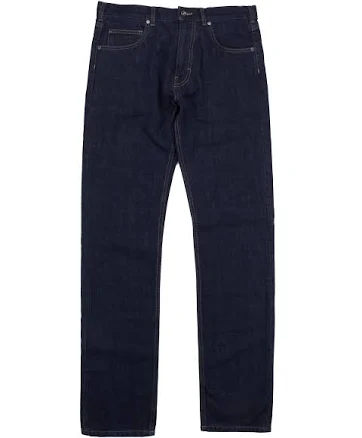
- cotton/organic cotton denim
- The brand calls it PFAS-free, which we have not verified
- Starting grade for this product type
- Cotton-blend denim (no stated water-repellent or stain treatment)
- The brand calls it PFAS-free, which we have not verified
- Heavy metals
4 hazards checked on this product, all on its full breakdown.
More stain-resistant jeans grades
How we score, every product runs through the same public 0-100 rubric based on materials, coatings, brand disclosure, lab findings, and recalls. See the full methodology → Spotted a mistake? Report an error.