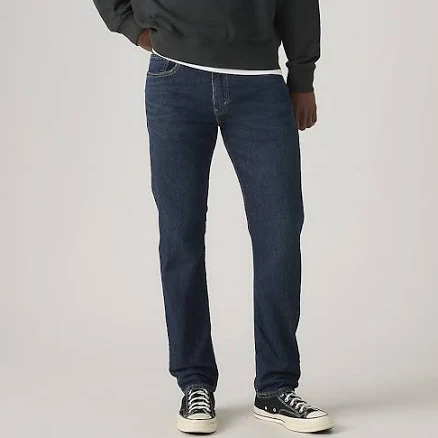
Levi's · Stain-Resistant Jeans
Levi's Men's 502 Taper Jeans
Lower PFAS concern. Basic cotton denim with no performance coatings.
These jeans are untreated 100% cotton denim without water-resistant, stain-resistant, or performance finishes that typically introduce PFAS. Levi's makes no public PFAS claims, which is normal for standard denim. No testing exists.
The better-graded swap
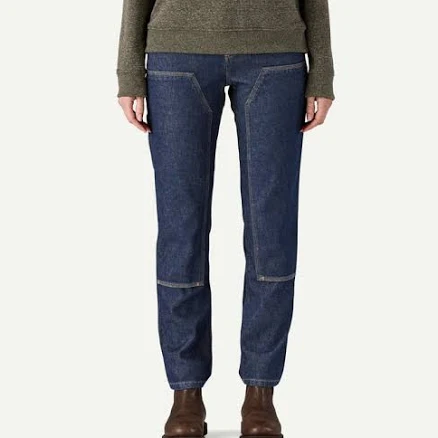
Patagonia
Patagonia Women's Slim Work Denim Pants
90/100 safety
Same rubric that flunked this product. The swap earned Excellent.
Still want this one anyway? Check the price on Amazon. We’d swap it.
Material
100% cotton denim
Brand disclosure
Brand is silent on PFAS
Lab data
No public lab test
You may also be interested in
Top-graded picks in the categories readers replace first, every one scored on the same rubric.

- polypropylene filter housing, carbon/sediment cartridge
- We found no PFAS statement from the brand
- Bacterial growth in spent cartridges
3 hazards checked on this product, all on its full breakdown.

Aquasure
Premier Series 75 GPD Under Sink Reverse Osmosis Water Filtration System
- RO membrane, carbon filters, stainless steel housing
- We found no PFAS statement from the brand
- Bacterial and microbial growth in housing and filters
4 hazards checked on this product, all on its full breakdown.

Avocado
Vegan Mattress
- organic cotton, natural latex, coconut coir, recycled steel coils
- The brand calls it PFAS-free, which we have not verified
- Heavy metals
2 hazards checked on this product, all on its full breakdown.
What Levi's Men's 502 Taper Jeans is made of, ingredients and materials
The 502 Taper is 100% cotton denim with no water-repellent, stain-resistant, or flame-retardant chemical finishes applied. This means you avoid the PFAS and other synthetic polymer coatings common in performance denim. Standard indigo-dyed denim undergoes reactive dye processes, which are well-established textile chemistry with minimal residual risk if rinsed properly during manufacturing. The absence of functional coatings makes this a simpler chemical profile than most modern casual jeans.
What’s concerning
Category baseline
The starting point for this type of product, before anything specific to this product is counted.
No PFAS disclosure
No public statement from the brand about PFAS in this product.
Azo dyes and residual dye metals (chromium, copper, nickel)
Indigo dyeing does not use azo chemistry, so azo dye toxicity is not a concern. However, indigo dye processes may involve copper or other transition metals as mordants. Leaching into sweat is unlikely under normal wear, but residual salt and metal traces in unwashed denim can irritate sensitive skin in direct contact. One pre-wash typically removes most.
Dye stability and color bleeding
Indigo denim, including Levi's 502, is known to lose dye in early washes and may transfer color to lighter garments in the washer. This is cosmetic, not a toxicity concern, but indicates loose, unreacted dye molecules present. Washing separately for the first 3-5 wears reduces transfer and helps set the dye. No health hazard, but confirms incomplete dye fixation typical of all indigo jeans.
Volatile organic compounds (VOCs) from dye solvents and processing
Cotton denim processing involves aqueous and solvent-based stages; trace VOC off-gassing from fresh jeans is common and usually dissipates within hours of airing. No accumulation hazard exists, and standard ventilation during initial wear eliminates this. Not a primary concern for this product but typical of new dyed textiles.
What’s reassuring
Base material not linked to PFAS
The main material recorded for this product is not one associated with PFAS.
Formaldehyde / VOCs
The 502 is uncoated plain denim with no wrinkle-resist, shrink-control, or sizing resin applied at finishing. Formaldehyde-releasing resins are common in easy-care or performance denims but not standard for this basic taper. No formaldehyde hazard is anticipated for this product.
Source, ATSDR ↗Antimony in polyester
This product is 100% cotton, not polyester, so antimony catalyst residue from polyester production is not relevant. Antimony hazard does not apply.
How is this PFAS grade calculated?
The brand's record and disclosure
Levi Strauss & Co. publishes annual sustainability reports covering manufacturing practices, water use, and chemical management, though PFAS-specific disclosure remains limited across the industry. The company has committed to phasing out hazardous chemicals in dyeing and finishing per the Restricted Substances List (RSL) standard, which applies to this line. No major recalls or chemical contamination incidents specific to the 502 model are on record. Levi's factories are audited under third-party compliance frameworks, though transparency on actual residual dye metals or formaldehyde in finished garments is not routinely published.
How it compares in its category
Plain-denim tapers without stain-resistant coatings occupy the lower-chemical end of the jeans market. Competing brands offering similar styles (Uniqlo, Gap, J.Crew use comparable cotton with standard indigo dye; the 502 does not stand out as having notably lower or higher concern. Performance denim lines from Dockers, Banana Republic, or technical brands (Outdoor Voices, Lululemon ABC pants) layer PFAS-based water/stain resistance, making them higher-hazard alternatives. The 502's simplicity is its safety advantage.
If you buy it
Wash new jeans once in cool water before wearing to remove loose dyes and reduce skin irritation risk, particularly if you have dye-sensitive skin. Standard machine wash and dry presents no hazard of this kind on record; no special care needed. Replace when seams fail or fabric wears thin, typically after 2-4 years of regular wear. Avoid prolonged contact with skin while damp if you notice any itching, as some individuals react to residual dye or mordant salts.
What is not known about PFAS in this product?
- Basis
- Model estimate, 78% confidence, not a lab result
- Lab test
- None on record for this exact product
- Brand statement
- Levi's has made none
Formulations change between production runs, so check the current label. How we grade.
What are the PFAS-free alternatives to Levi's Men's 502 Taper Jeans?
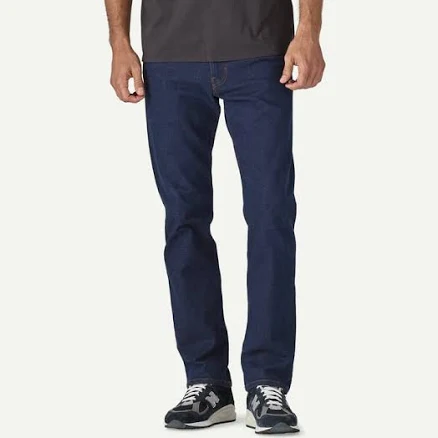
- cotton denim, no water-repellent coating (water-repellent coating) coating
- The brand calls it PFAS-free, which we have not verified
- Formaldehyde / VOCs
2 hazards checked on this product, all on its full breakdown.
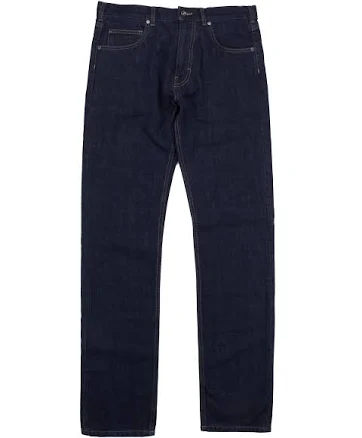
- cotton/organic cotton denim
- The brand calls it PFAS-free, which we have not verified
- Starting grade for this product type
- Cotton-blend denim (no stated water-repellent or stain treatment)
- The brand calls it PFAS-free, which we have not verified
- Heavy metals
4 hazards checked on this product, all on its full breakdown.
More stain-resistant jeans grades
How we score, every product runs through the same public 0-100 rubric based on materials, coatings, brand disclosure, lab findings, and recalls. See the full methodology → Spotted a mistake? Report an error.