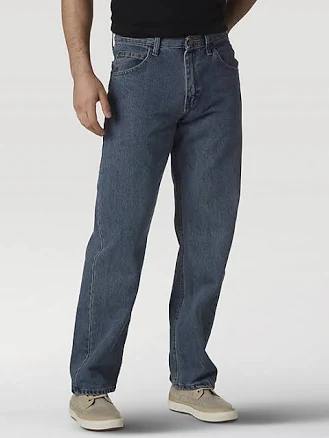
Wrangler · Stain-Resistant Jeans
Wrangler Relaxed Fit Jeans
Lower concern. Plain cotton denim, no public PFAS commitment.
These jeans are basic 100% cotton denim with no waterproofing, stain resistance, or specialty coatings disclosed, making PFAS contamination unlikely. Wrangler hasn't published a PFAS policy or made public commitments. No independent lab testing is publicly available.
The better-graded swap
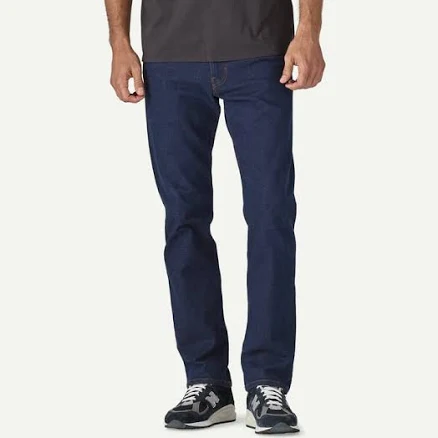
Patagonia
Patagonia Men's Straight Fit Jeans
90/100 safety
Same rubric that flunked this product. The swap earned Excellent.
Still want this one anyway? Check the price on Amazon. We’d swap it.
Material
100% cotton denim
Brand disclosure
Brand is silent on PFAS
Lab data
No public lab test
You may also be interested in
Top-graded picks in the categories readers replace first, every one scored on the same rubric.

- polypropylene filter housing, carbon/sediment cartridge
- We found no PFAS statement from the brand
- Bacterial growth in spent cartridges
3 hazards checked on this product, all on its full breakdown.

Aquasure
Premier Series 75 GPD Under Sink Reverse Osmosis Water Filtration System
- RO membrane, carbon filters, stainless steel housing
- We found no PFAS statement from the brand
- Bacterial and microbial growth in housing and filters
4 hazards checked on this product, all on its full breakdown.

Avocado
Vegan Mattress
- organic cotton, natural latex, coconut coir, recycled steel coils
- The brand calls it PFAS-free, which we have not verified
- Heavy metals
2 hazards checked on this product, all on its full breakdown.
What Wrangler Relaxed Fit Jeans is made of, ingredients and materials
Wrangler Relaxed Fit jeans are 100% cotton denim with no synthetic fibers or coating layers. Cotton denim itself is a low-hazard fiber when grown and finished without heavy contamination. The label indicates "stain-resistant" treatment, which in mass-market denim typically refers to a finish applied post-manufacture rather than built-in synthetic fiber. This finish is the primary non-PFAS chemical exposure point; however, no specific finish formula is disclosed by Wrangler.
What’s concerning
Category baseline
The starting point for this type of product, before anything specific to this product is counted.
No PFAS disclosure
No public statement from the brand about PFAS in this product.
Azo dyes in indigo
Conventional indigo denim typically uses azo-class dyes. Wrangler does not disclose dye chemistry or commit to restricted azo dye lists (ZDHC or similar). Unrestricted azo dyes can release carcinogenic aromatic amines under sweat and friction, though risk is low from finished jeans worn on skin after initial washings.
Formaldehyde / VOCs
Stain-resistant finishes on mass-market denim often use formaldehyde-based or melamine-formaldehyde resins to bond the treatment to fibers. Wrangler does not disclose the specific chemistry. Initial off-gassing is minimal on fully cured fabric, and washing further reduces residual exposure.
Source, ATSDR ↗Residual dye bleed and skin irritation
Indigo-dyed denim commonly bleeds dye in early washes. While indigo itself is low-toxicity, heavy dye bleed can indicate loose dyes and higher exposure to dye residues on skin in the first few wears, particularly if jeans are not pre-washed.
What’s reassuring
Base material not linked to PFAS
The main material recorded for this product is not one associated with PFAS.
Heavy metals
No recalls or public reports of lead, cadmium, or chromium in Wrangler denim finish or dyes. Cotton denim is not a typical vector for metal contamination if sourced and dyed under standard controls.
Source, FDA ↗Antimony in polyester elements
This product is labeled 100% cotton with no polyester content, so antimony catalyst contamination from polyester synthesis is not applicable.
How is this PFAS grade calculated?
The brand's record and disclosure
Wrangler (owned by Kontoor Brands) does not publicly commit to PFAS-free water-resistant finishes, nor do they publish detailed chemical disclosure for denim treatments. No recall history or safety controversies specific to Wrangler jeans finish chemistry are on public record. The brand has not pursued third-party certifications (Bluesign, GOTS, Cradle to Cradle) for this line, suggesting standard industry finishing rather than restricted-substance protocols.
How it compares in its category
Most mass-market relaxed-fit jeans carry similar stain-resistant or water-repellent finishes; Wrangler's approach is typical for the category. Certified organic or Bluesign-certified denim alternatives exist but command higher prices and are less common at Wrangler's retail tier. Untreated plain-denim alternatives eliminate finish chemicals entirely but sacrifice stain resistance. For the price point, Wrangler's disclosure transparency is consistent with mainstream competitors.
If you buy it
Wash new jeans separately in cool water before first wear to remove loose dye and residual finish chemicals. Thereafter, cold water washing 2-3 times monthly extends life and minimizes dye bleeding. Avoid heat (hot water, high dryer) which can set any residual chemical exposure and degrade the fabric. If finish performance noticeably declines (stains set permanently despite treatment), the finish has degraded and re-treatment is not recommended for home use; retire or upcycle the jeans.
What is not known about PFAS in this product?
- Basis
- Model estimate, 72% confidence, not a lab result
- Lab test
- None on record for this exact product
- Brand statement
- Wrangler has made none
Formulations change between production runs, so check the current label. How we grade.
What are the PFAS-free alternatives to Wrangler Relaxed Fit Jeans?
- cotton denim, no water-repellent coating (water-repellent coating) coating
- The brand calls it PFAS-free, which we have not verified
- Formaldehyde / VOCs
2 hazards checked on this product, all on its full breakdown.
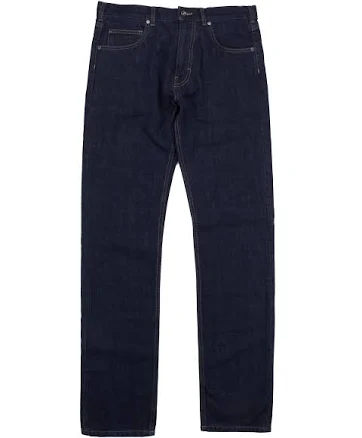
- cotton/organic cotton denim
- The brand calls it PFAS-free, which we have not verified
- Starting grade for this product type
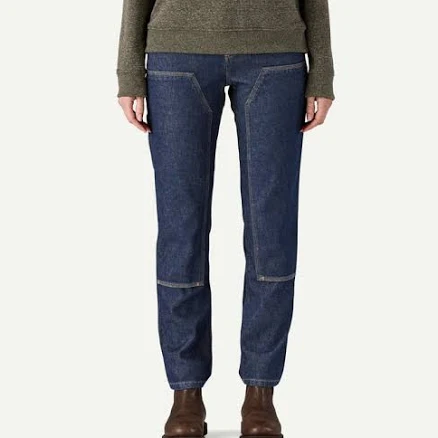
- Cotton-blend denim (no stated water-repellent or stain treatment)
- The brand calls it PFAS-free, which we have not verified
- Heavy metals
4 hazards checked on this product, all on its full breakdown.
More stain-resistant jeans grades
How we score, every product runs through the same public 0-100 rubric based on materials, coatings, brand disclosure, lab findings, and recalls. See the full methodology → Spotted a mistake? Report an error.