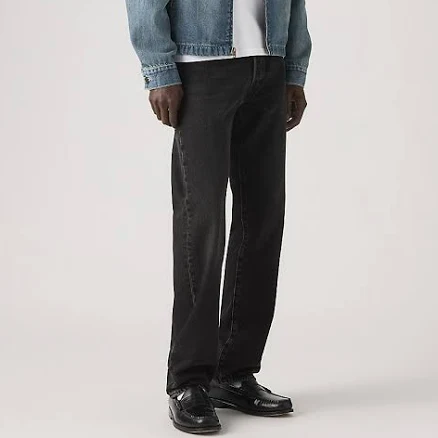
Levi's · Stain-Resistant Jeans
Levi's Men's 501 Original Thermodapt Jeans
Lower PFAS concern. Untreated cotton denim with no marketed coating.
These jeans are 100% cotton denim with no disclosed water-resistant or stain-resistant coating in marketing. Levi's hasn't made PFAS claims. Standard untreated denim carries lower PFAS risk, though check the tag for any undisclosed water-repellent coating.
The better-graded swap
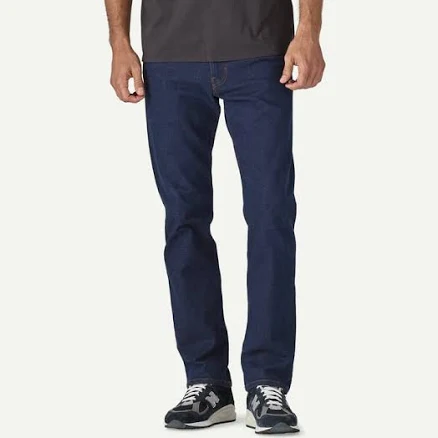
Patagonia
Patagonia Men's Straight Fit Jeans
90/100 safety
Same rubric that flunked this product. The swap earned Excellent.
Still want this one anyway? Check the price on Amazon. We’d swap it.
Material
100% cotton denim, no disclosed water-resistant treatment
Brand disclosure
Brand is silent on PFAS
Lab data
No public lab test
You may also be interested in
Top-graded picks in the categories readers replace first, every one scored on the same rubric.

- polypropylene filter housing, carbon/sediment cartridge
- We found no PFAS statement from the brand
- Bacterial growth in spent cartridges
3 hazards checked on this product, all on its full breakdown.

Aquasure
Premier Series 75 GPD Under Sink Reverse Osmosis Water Filtration System
- RO membrane, carbon filters, stainless steel housing
- We found no PFAS statement from the brand
- Bacterial and microbial growth in housing and filters
4 hazards checked on this product, all on its full breakdown.

Avocado
Vegan Mattress
- organic cotton, natural latex, coconut coir, recycled steel coils
- The brand calls it PFAS-free, which we have not verified
- Heavy metals
2 hazards checked on this product, all on its full breakdown.
What Levi's Men's 501 Original Thermodapt Jeans is made of, ingredients and materials
Levi's 501 Thermodapt jeans are constructed from 100% cotton denim with no disclosed water-resistant or stain-resistant chemical treatment. The absence of a water-repellent coating (water-repellent coating) coating means you avoid exposure to fluorinated compounds (PFAS) that are standard in treated performance denim. Cotton denim's main chemical exposure risk comes from dyes, finishes applied during manufacturing, and residual processing chemicals rather than post-consumer coatings.
What’s concerning
Category baseline
The starting point for this type of product, before anything specific to this product is counted.
No PFAS disclosure
No public statement from the brand about PFAS in this product.
Azo dyes and color fastness
Indigo and other dyes used in denim production can contain azo compounds, which may release aromatic amines if degraded or in contact with skin during repeated wearing. Levi's does not specify whether this product meets restricted azo dye standards (common in Oeko-Tex certification). Risk is low for intact fabric but present during manufacturing and wet processing.
Formaldehyde / VOCs
Cotton denim is often treated with formaldehyde-based resins during shrink-control and finish processing. No third-party certification is disclosed for this product, so residual formaldehyde levels are unknown. Washing reduces but may not eliminate formaldehyde entirely. Sensitivity varies by individual.
Source, ATSDR ↗Degradation and microfiber shedding
Untreated cotton denim sheds microfibers in the wash, especially when new or repeatedly laundered in warm water. While cotton is biodegradable unlike synthetic microfibers, shedding into wastewater is still a concern. This is inherent to the material, not a manufacturing defect.
What’s reassuring
Base material not linked to PFAS
The main material recorded for this product is not one associated with PFAS.
Heavy metals
No recalls or testing data publicly available for Levi's 501 jeans. Indigo dye itself does not require heavy metal mordants, but manufacturing impurities are possible. This is a standard category risk with no product-specific evidence of contamination.
Source, FDA ↗Antimony in dyes (synthetic indigo)
If this product uses synthetic indigo rather than natural indigo, antimony catalyst residues are theoretically possible but not reported for Levi's products. No testing data or recalls exist for this specific jeans line.
How is this PFAS grade calculated?
The brand's record and disclosure
Levi's has not made public commitments to PFAS phase-out or transparency about chemical use in specific product lines, though the company does publish a corporate sustainability report addressing water and waste. For the 501 line, no specific third-party certifications (Oeko-Tex, bluesign) are disclosed on product labels or marketing materials. Levi's has faced no major recalls or public safety controversies specific to this denim style.
How it compares in its category
Untreated cotton denim is baseline for denim safety; the 501's lack of water-resistant treatment puts it lower in chemical burden than stain-guard or performance variants from competitors. If Thermodapt refers only to fit or thermal regulation (not a chemical coating), this is a neutral styling feature with no safety implication. Many mainstream denim brands at this price point use similar untreated cotton construction.
If you buy it
Wash new jeans separately in cold water before wearing to remove residual dyes and processing chemicals. Use mild detergent and avoid excessive heat drying, which can stress cotton fibers and accelerate wear. These jeans have no special maintenance beyond standard denim care. Discard when seams fail or fabric integrity deteriorates; untreated cotton is not designed for extreme durability, so expect replacement every 2-4 years depending on wear frequency.
What is not known about PFAS in this product?
- Basis
- Model estimate, 72% confidence, not a lab result
- Lab test
- None on record for this exact product
- Brand statement
- Levi's has made none
Formulations change between production runs, so check the current label. How we grade.
What are the PFAS-free alternatives to Levi's Men's 501 Original Thermodapt Jeans?
- cotton denim, no water-repellent coating (water-repellent coating) coating
- The brand calls it PFAS-free, which we have not verified
- Formaldehyde / VOCs
2 hazards checked on this product, all on its full breakdown.
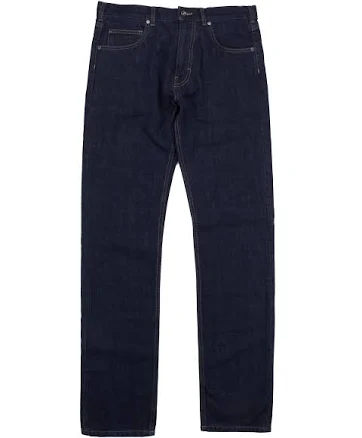
- cotton/organic cotton denim
- The brand calls it PFAS-free, which we have not verified
- Starting grade for this product type
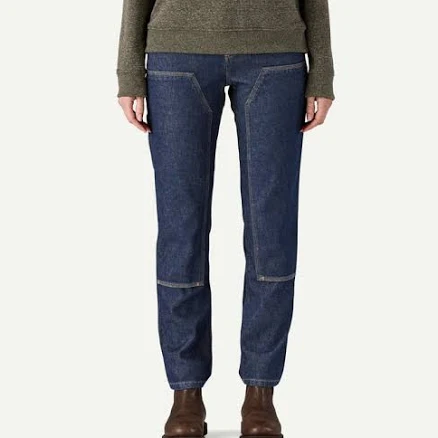
- Cotton-blend denim (no stated water-repellent or stain treatment)
- The brand calls it PFAS-free, which we have not verified
- Heavy metals
4 hazards checked on this product, all on its full breakdown.
More stain-resistant jeans grades
How we score, every product runs through the same public 0-100 rubric based on materials, coatings, brand disclosure, lab findings, and recalls. See the full methodology → Spotted a mistake? Report an error.