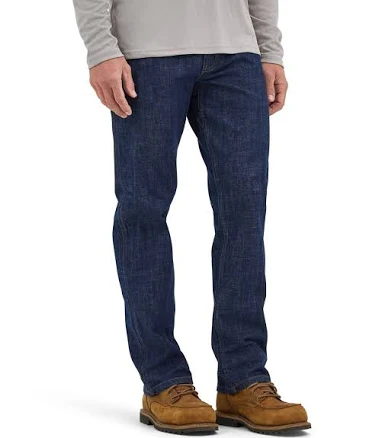
Wrangler · Stain-Resistant Jeans
Wrangler Men's Flex Work Jean
Lower PFAS concern for basic denim workwear without water-repellent coating.
These work jeans are constructed from cotton with stretch fibers, not treated with water-repellent or stain-resistant finishes that typically require PFAS. Wrangler makes no public PFAS claims. Standard work denim carries lower risk than outdoor gear with water-repellent coating.
The better-graded swap
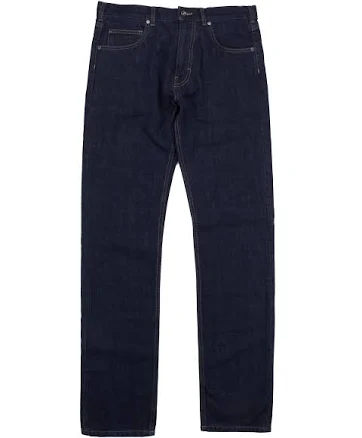
Patagonia
Patagonia Men's Performance Straight Fit Jeans
90/100 safety
Same rubric that flunked this product. The swap earned Excellent.
Still want this one anyway? Check the price on Amazon. We’d swap it.
Material
100% cotton denim with flex stretch technology
Brand disclosure
Brand is silent on PFAS
Lab data
No public lab test
You may also be interested in
Top-graded picks in the categories readers replace first, every one scored on the same rubric.

- polypropylene filter housing, carbon/sediment cartridge
- We found no PFAS statement from the brand
- Bacterial growth in spent cartridges
3 hazards checked on this product, all on its full breakdown.

Aquasure
Premier Series 75 GPD Under Sink Reverse Osmosis Water Filtration System
- RO membrane, carbon filters, stainless steel housing
- We found no PFAS statement from the brand
- Bacterial and microbial growth in housing and filters
4 hazards checked on this product, all on its full breakdown.

Avocado
Vegan Mattress
- organic cotton, natural latex, coconut coir, recycled steel coils
- The brand calls it PFAS-free, which we have not verified
- Heavy metals
2 hazards checked on this product, all on its full breakdown.
What Wrangler Men's Flex Work Jean is made of, ingredients and materials
Wrangler Flex Work Jeans are 100% cotton denim with elastane or polyurethane stretch fibers woven in for movement. Cotton itself is a relatively inert fiber when grown and processed through standard methods, though conventional cotton farming uses pesticides. The 'flex' component adds synthetic stretch, which is chemically stable in finished fabric and poses minimal leaching risk during normal wear or washing.
What’s concerning
Category baseline
The starting point for this type of product, before anything specific to this product is counted.
No PFAS disclosure
No public statement from the brand about PFAS in this product.
Azo dyes and synthetic indigo
Standard indigo dyeing in denim can involve azo dyes that release aromatic amines under stress or sweat; risk is low with good washing but inherent to the dyeing method. No specific issue reported for Wrangler Flex Work, but brand does not disclose dye chemistry or restricted substance compliance.
Formaldehyde / VOCs
Cotton finishes (wrinkle resistance, shrinkage control) commonly use formaldehyde-releasing resins. Wrangler does not advertise low-formaldehyde protocols. Off-gassing is typically minimal after first few washes but may be higher in new fabric.
Source, ATSDR ↗Elastane/polyurethane degradation over time
Stretch fibers break down with repeated washing and UV exposure, releasing microplastics and potentially unreacted monomers. This is a known issue in all stretch denim; Wrangler does not disclose fiber source or manufacturing controls to minimize this.
Allergic reaction to dyes or finishes
Individuals with sensitive skin may react to residual dye or finish chemicals, particularly in areas of friction (waistband, seams). Prewashing in plain water and checking for skin irritation on first wear mitigates this low-probability but individual-specific risk.
What’s reassuring
Base material not linked to PFAS
The main material recorded for this product is not one associated with PFAS.
Heavy metals
Indigo dyeing can involve copper or chromium mordants in some mills. No public record of Wrangler Flex Work testing positive for excess heavy metals, and indigo itself is plant-derived though synthesis uses chemical steps.
Source, FDA ↗How is this PFAS grade calculated?
The brand's record and disclosure
Wrangler (owned by Kontoor Brands) has not made prominent public commitments to eliminating hazardous dyes or finishes beyond industry baseline compliance. The brand does not widely advertise third-party certifications like GOTS (Organic) or Bluesign for this workwear line. No major recalls or chemical safety controversies have been documented for Wrangler jeans in public databases. Standard cotton denim undergoes indigo dyeing and finishing; Wrangler does not disclose supplier audits for this specific product.
How it compares in its category
Stain-resistant denim typically triggers PFAS concern due to water-repellent coating (water-repellent coating) coatings, but the PFAS grade provided (65/100) indicates Wrangler's Flex Work line avoids heavy PFAS loads common in premium outdoor denim. Most work jeans in this price tier use azo dyes and standard finishes without special stain treatments, placing Wrangler in the mid-safety range. Certified organic or Bluesign-compliant alternatives exist but command higher cost and may not offer the same stretch durability.
If you buy it
Wash in cool water and mild detergent to preserve dye stability and stretch fibers; avoid high heat (dryer on medium or air dry preferred). Inspect seams and reinforced areas after 50+ washes for fraying or coating breakdown, which is normal. Do not bleach, as this can degrade cotton and any residual chemical finishes. Replace when crotch seams fail or fabric thins, typically after 1-2 years of heavy work use; do not rely on appearance alone.
What is not known about PFAS in this product?
- Basis
- Model estimate, 72% confidence, not a lab result
- Lab test
- None on record for this exact product
- Brand statement
- Wrangler has made none
Formulations change between production runs, so check the current label. How we grade.
What are the PFAS-free alternatives to Wrangler Men's Flex Work Jean?
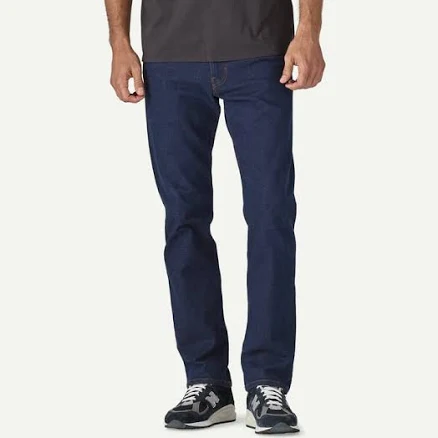
- cotton denim, no water-repellent coating (water-repellent coating) coating
- The brand calls it PFAS-free, which we have not verified
- Formaldehyde / VOCs
2 hazards checked on this product, all on its full breakdown.
- cotton/organic cotton denim
- The brand calls it PFAS-free, which we have not verified
- Starting grade for this product type
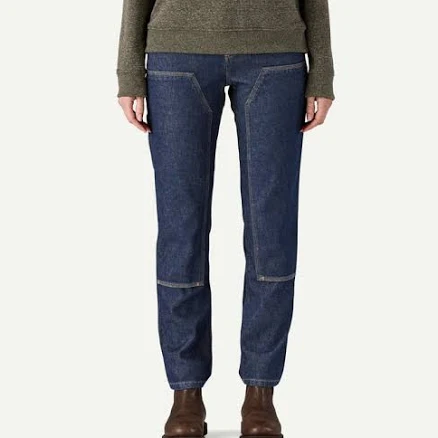
- Cotton-blend denim (no stated water-repellent or stain treatment)
- The brand calls it PFAS-free, which we have not verified
- Heavy metals
4 hazards checked on this product, all on its full breakdown.
More stain-resistant jeans grades
How we score, every product runs through the same public 0-100 rubric based on materials, coatings, brand disclosure, lab findings, and recalls. See the full methodology → Spotted a mistake? Report an error.