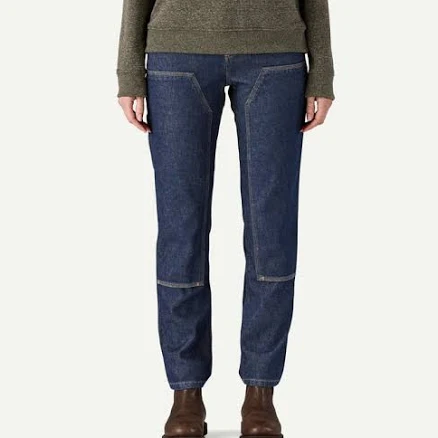
Patagonia · Stain-Resistant Jeans
Patagonia Women's Slim Work Denim Pants
Brand PFAS statement on record, which we have not verified.
Patagonia says 100% of its new products from Spring 2025 are made without intentionally added PFAS. We record that as an unverified brand claim.
Brand says: “Patagonia says 100% of its new products from Spring 2025 are made without intentionally added PFAS.”
We flunk more products than we pass. This one earned its grade. How we grade
Material
Cotton-blend denim (no stated water-repellent or stain treatment)
Brand disclosure
Brand claims PFAS-free
Lab data
No public lab test
You may also be interested in
Top-graded picks in the categories readers replace first, every one scored on the same rubric.

- polypropylene filter housing, carbon/sediment cartridge
- We found no PFAS statement from the brand
- Bacterial growth in spent cartridges
3 hazards checked on this product, all on its full breakdown.

Aquasure
Premier Series 75 GPD Under Sink Reverse Osmosis Water Filtration System
- RO membrane, carbon filters, stainless steel housing
- We found no PFAS statement from the brand
- Bacterial and microbial growth in housing and filters
4 hazards checked on this product, all on its full breakdown.

Avocado
Vegan Mattress
- organic cotton, natural latex, coconut coir, recycled steel coils
- The brand calls it PFAS-free, which we have not verified
- Heavy metals
2 hazards checked on this product, all on its full breakdown.
What Patagonia Women's Slim Work Denim Pants is made of, ingredients and materials
These are cotton-blend work denim pants with no stated water-repellent or stain-resistant chemical coating. The absence of a named treatment is significant because typical stain-resistant finishes on denim historically relied on PFAS or formaldehyde-based resins. Cotton-blend construction (the exact blend ratio is not specified in public materials) means the pants combine natural fiber durability with synthetic fiber performance, typically for stretch and shape retention. Without a chemical treatment layer, the main exposure risk shifts from finish-related hazards to dye chemistry and any residual processing chemicals.
What’s concerning
Category baseline
The starting point for this type of product, before anything specific to this product is counted.
Heavy metals
Indigo and other dyes used in denim can contain heavy metal mordants (chromium, copper) or azo compounds that release carcinogenic amines under certain conditions. Patagonia reports using restricted azo dyes and third-party testing, but the pants are not labeled with a specific dye certification (OEKO-TEX, Bluesign). Risk is primarily occupational for laundry workers or consumers with skin sensiti
Source, FDA ↗Antimony in polyester component
If the blend includes polyester (common in cotton-poly work denim for durability), polyester is manufactured using antimony trioxide as a catalyst. Finished fabric poses minimal exposure risk, but the material itself contains this heavy metal at the polymer level. Patagonia does not publicly disclose antimony limits in polyester blends, though the exposure pathway to end-users is negligible.
Residual processing chemicals and sizing
Raw denim and cotton-blend textiles are sized with starches, oils, or synthetic binders to prevent tangling during weaving. These are typically removed in finishing and washing but can leave residues if laundering is incomplete. Washing before wearing removes most residual sizing; people with contact dermatitis may be more sensitive.
Microfiber and textile shedding
Cotton-blend denim sheds microfibers during washing, particularly if the synthetic component is polyester. This is not a direct wearer hazard but an environmental and waterway concern. Machine washing releases more fibers than hand washing; using a microfiber-capture filter reduces shedding by 50-90% but does not eliminate it.
What’s reassuring
Brand-stated PFAS-free
The brand states this product is PFAS-free. We have not verified the claim.
Base material not linked to PFAS
The main material recorded for this product is not one associated with PFAS.
Formaldehyde / VOCs
No formaldehyde-based anti-wrinkle or sizing resin is stated on this product. Cotton-blend denim typically requires minimal formaldehyde resin for shape retention compared to 100% cotton or blends with high synthetic content. Initial off-gassing during the first few washes is possible but standard for untreated denim and resolves quickly.
Source, ATSDR ↗How is this PFAS grade calculated?
The brand's record and disclosure
Patagonia has a publicly documented commitment to eliminating PFAS from its supply chain and has published detailed textile sustainability reports for years. The brand's PFAS-free claim on this product carries weight given their track record of third-party audits and transparency on chemical restrictions. However, Patagonia's PFAS statement has not been independently verified by us; the company's word is on the record. Beyond PFAS, Patagonia maintains strict standards on azo dyes and heavy metals in textile production and publishes supplier lists, which is unusual for the apparel industry.
How it compares in its category
Most stain-resistant denim pants on the market use PFAS-based finishes (GenX, Teflon-type coating variants) or formaldehyde-releasing resins to achieve water and oil repellency. Patagonia's choice to omit a chemical stain treatment and instead market durability and repairability puts this product at the low end of chemical hazard exposure for work denim. This trade-off means the pants may require more frequent laundering or spot-cleaning than chemically treated alternatives, but eliminates a major toxicological exposure pathway. Functionally, untreated denim is standard in European and eco-certified workwear lines.
If you buy it
Wash before wearing to remove any residual dyes or processing agents from manufacture. Use cool water and standard detergent; high-heat drying is not necessary and will reduce fabric life. Inspect seams and hems annually for wear, particularly at stress points like pocket corners and the inseam crotch area, since work pants see heavy use. Patagonia offers repair and alteration services, which aligns with the product's design philosophy and can extend the pants' lifespan significantly.
What is not known about PFAS in this product?
- Basis
- Model estimate, 72% confidence, not a lab result
- Lab test
- None on record for this exact product
- Brand statement
- Patagonia has made a specific claim
Formulations change between production runs, so check the current label. How we grade.
More stain-resistant jeans grades
How we score, every product runs through the same public 0-100 rubric based on materials, coatings, brand disclosure, lab findings, and recalls. See the full methodology → Spotted a mistake? Report an error.