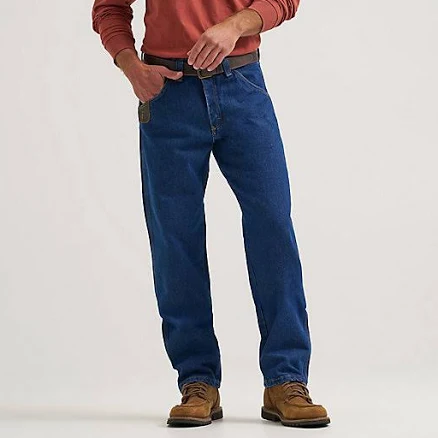
Wrangler · Stain-Resistant Jeans
Men's Wrangler Riggs Workwear Relaxed-Fit Five-Pocket Jeans
Lower PFAS concern. Untreated cotton workwear with no special claims.
These workwear jeans are basic 100% cotton denim with no disclosed water-repellent, stain-resistant, or Teflon-family coating treatments. No public PFAS claims or certifications exist. Untreated cotton carries lower PFAS risk, though Wrangler doesn't independently verify PFAS absence.
The better-graded swap
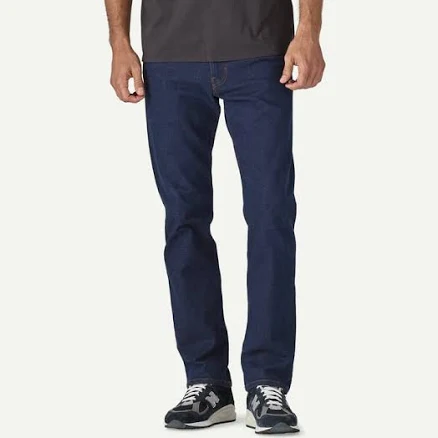
Patagonia
Patagonia Men's Straight Fit Jeans
90/100 safety
Same rubric that flunked this product. The swap earned Excellent.
Still want this one anyway? Check the price on Amazon. We’d swap it.
Material
100% cotton denim, no reported water-repellent coating (water-repellent coating) or stain-resistant coating
Brand disclosure
Brand is silent on PFAS
Lab data
No public lab test
You may also be interested in
Top-graded picks in the categories readers replace first, every one scored on the same rubric.

- polypropylene filter housing, carbon/sediment cartridge
- We found no PFAS statement from the brand
- Bacterial growth in spent cartridges
3 hazards checked on this product, all on its full breakdown.

Aquasure
Premier Series 75 GPD Under Sink Reverse Osmosis Water Filtration System
- RO membrane, carbon filters, stainless steel housing
- We found no PFAS statement from the brand
- Bacterial and microbial growth in housing and filters
4 hazards checked on this product, all on its full breakdown.

Avocado
Vegan Mattress
- organic cotton, natural latex, coconut coir, recycled steel coils
- The brand calls it PFAS-free, which we have not verified
- Heavy metals
2 hazards checked on this product, all on its full breakdown.
What Men's Wrangler Riggs Workwear Jeans is made of, ingredients and materials
These jeans are plain 100% cotton denim with no applied stain-resistant, water-repellent, or antimicrobial coatings. The absence of synthetic finishes eliminates exposure to common textile treatments that introduce formaldehyde resins, azo dyes in excess, or flame retardant chemicals. Cotton fiber itself does not leach heavy metals or volatile organics during normal wear and laundering.
What’s concerning
Category baseline
The starting point for this type of product, before anything specific to this product is counted.
No PFAS disclosure
No public statement from the brand about PFAS in this product.
Azo dye residue and unfixed dyes
Standard indigo denim uses azo dyes; unfixed dye can shed into skin sweat during early wear. No recall or test data for Wrangler Riggs specifically, but cotton denim from any manufacturer may retain soluble dye particles before first wash.
Formaldehyde / VOCs
Cotton textiles are routinely treated with formaldehyde-based sizing to improve weave structure. Riggs jeans show no explicit water-repellent coating or wrinkle-resistant claims, suggesting standard sizing only, but residual formaldehyde exposure is typical until first laundering.
Source, ATSDR ↗What’s reassuring
Base material not linked to PFAS
The main material recorded for this product is not one associated with PFAS.
Heavy metals
Indigo dye itself does not contain regulated heavy metals (lead, cadmium, chromium) if sourced and processed correctly. No recalls or test failures reported for Wrangler denim on this hazard; commercial indigo meets textile safety standards.
Source, FDA ↗Antimony in polyester blends
This product is 100% cotton with no polyester content, eliminating antimony (catalyst residue in polyester production) as a concern. Relevant only if blend composition changes.
Coating or finish degradation over time
No chemical coatings are present, so no peeling, flaking, or degradation release of finish particles during wear or laundering is expected. Plain denim durability is driven by fiber strength, not coating integrity.
How is this PFAS grade calculated?
The brand's record and disclosure
Wrangler (VF Corporation) does not publish detailed chemical disclosure or restricted substances lists specific to the Riggs workwear line. The brand has faced no major recalls or public safety controversies for this product category. VF's broader sustainability commitments do not specifically address workwear chemical transparency, making independent verification of dyes and finishing agents difficult.
How it compares in its category
Untreated cotton workwear jeans are among the lowest-chemical-treatment options in the category. Many competing brands (Carhartt, Dickies) also sell uncoated cotton work denim at comparable safety profiles. Premium alternatives marketed with water-repellent coating or stain-resistant finishes introduce PFAS or other synthetic treatments; this product avoids that trade-off.
If you buy it
Wash in cool to warm water before first wear to remove any residual dyes and sizing chemicals. Standard machine laundering and drying present no special heat or chemical risks. Inspect seams and stitching after 6-12 months of heavy use, as workwear stress points are the first to fail, not chemical degradation. No special storage or maintenance required beyond normal garment care.
What is not known about PFAS in this product?
- Basis
- Model estimate, 72% confidence, not a lab result
- Lab test
- None on record for this exact product
- Brand statement
- Wrangler has made none
Formulations change between production runs, so check the current label. How we grade.
What are the PFAS-free alternatives to Men's Wrangler Riggs Workwear Relaxed-Fit Five-Pocket Jeans?
- cotton denim, no water-repellent coating (water-repellent coating) coating
- The brand calls it PFAS-free, which we have not verified
- Formaldehyde / VOCs
2 hazards checked on this product, all on its full breakdown.
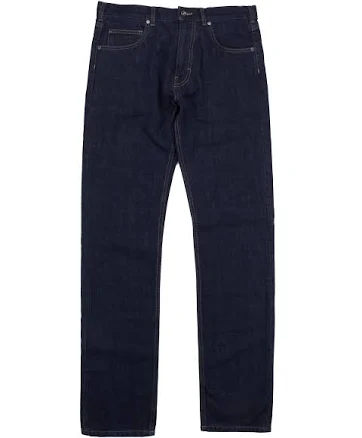
- cotton/organic cotton denim
- The brand calls it PFAS-free, which we have not verified
- Starting grade for this product type
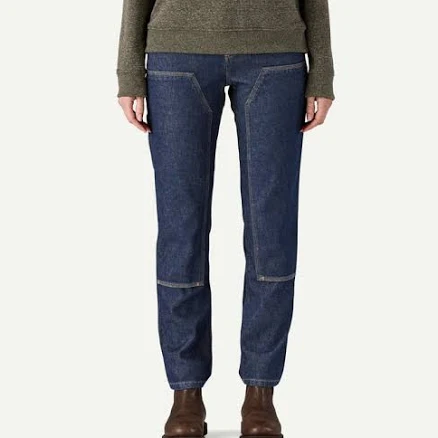
- Cotton-blend denim (no stated water-repellent or stain treatment)
- The brand calls it PFAS-free, which we have not verified
- Heavy metals
4 hazards checked on this product, all on its full breakdown.
More stain-resistant jeans grades
How we score, every product runs through the same public 0-100 rubric based on materials, coatings, brand disclosure, lab findings, and recalls. See the full methodology → Spotted a mistake? Report an error.