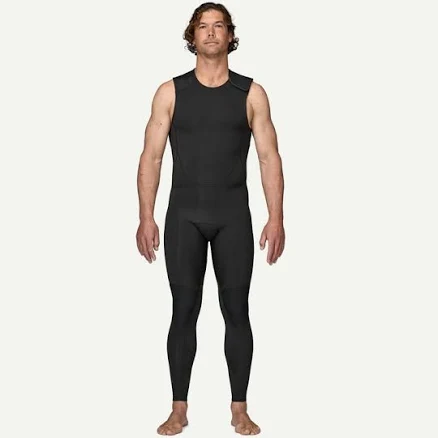
Patagonia Men's Yulex Regulator Lite Long John Wetsuit
Brand PFAS statement on record, which we have not verified.
Patagonia says 100% of its new products from Spring 2025 are made without intentionally added PFAS. We record that as an unverified brand claim.
Brand says: “Patagonia says 100% of its new products from Spring 2025 are made without intentionally added PFAS.”
We flunk more products than we pass. This one earned its grade. How we grade
Material
Yulex (synthetic rubber), neoprene-free alternative
Brand disclosure
Brand claims PFAS-free
Lab data
No public lab test
You may also be interested in
Top-graded picks in the categories readers replace first, every one scored on the same rubric.

- polypropylene filter housing, carbon/sediment cartridge
- We found no PFAS statement from the brand
- Bacterial growth in spent cartridges
3 hazards checked on this product, all on its full breakdown.

Aquasure
Premier Series 75 GPD Under Sink Reverse Osmosis Water Filtration System
- RO membrane, carbon filters, stainless steel housing
- We found no PFAS statement from the brand
- Bacterial and microbial growth in housing and filters
4 hazards checked on this product, all on its full breakdown.

Avocado
Vegan Mattress
- organic cotton, natural latex, coconut coir, recycled steel coils
- The brand calls it PFAS-free, which we have not verified
- Heavy metals
2 hazards checked on this product, all on its full breakdown.
What Patagonia Men's Yulex John Wetsuit is made of, ingredients and materials
This wetsuit uses Yulex, a synthetic rubber derived from guayule plant resin, as a neoprene replacement. Yulex avoids the chlorine-based processing and heavy metal catalysts (cobalt, lead) historically used in neoprene manufacturing. The material itself is inherently non-fluorinated and does not require water-repellent coatings during production, which eliminates a major PFAS application vector in technical textiles. Yulex is biodegradable over time, unlike petroleum-based neoprene, though durability for extended use remains comparable.
What’s concerning
Category baseline
The starting point for this type of product, before anything specific to this product is counted.
Formaldehyde / VOCs
Yulex fabric construction may include adhesive seam tape or spandex-blend ankle/wrist cuffs that use formaldehyde-releasing resins. Patagonia's public disclosures do not explicitly name seam-construction chemistry for this model; direct contact with brand is needed for full trim specification.
Source, ATSDR ↗Azo dyes in color application
Black and colored Yulex wetsuits require pigment bonding; standard rubber dyeing may involve azo dyes that can release aromatic amines under heat or prolonged skin contact. Patagonia has not published specific azo-dye restrictions for wetsuits, though the brand restricts them in apparel.
Heavy metals
Yulex curing requires chemical accelerators; while processing emissions are factory-controlled, residual sulfur or metal accelerator trace levels in the finished rubber are not typically published. This is a general rubber chemistry issue rather than a brand-specific concern.
Source, FDA ↗Microplastic shedding during use and washing
All synthetic rubber wetsuits, including Yulex, shed microparticles during normal wear and machine washing. Yulex sheds at similar rates to neoprene. Use a wetsuit-specific wash bag or hand-wash to minimize microfiber release into freshwater systems.
What’s reassuring
Brand-stated PFAS-free
The brand states this product is PFAS-free. We have not verified the claim.
Base material not linked to PFAS
The main material recorded for this product is not one associated with PFAS.
Skin irritation from residual processing chemicals
No documented cases of irritation specific to Yulex Regulator wetsuits are on public record. New wetsuits can retain processing residue; a cold-water rinse before first use is recommended for all new synthetic rubber suits as a precaution.
How is this PFAS grade calculated?
The brand's record and disclosure
Patagonia publishes detailed material sourcing and chemical compliance information, including wetsuit-specific ingredient disclosure. The brand has been independently audited for PFAS-free claims in apparel and has publicly committed to eliminating PFAS from all product lines by 2025. Patagonia's Worn Wear repair program and take-back initiative reduce the pressure to discard wetsuits prematurely. No substantive recalls or chemical safety controversies involving this product line are on record.
How it compares in its category
Most wetsuits still use neoprene or neoprene blends, which carry residual heavy metal risk and require PFAS-based water repellency treatments. Yulex represents the smaller but growing segment of plant-based synthetic rubber wetsuits marketed as cleaner alternatives. Price is typically 15-25% higher than standard neoprene wetsuits but comparable to other premium eco-marketed suits. Thermal performance and durability of Yulex are industry-competitive; longevity depends more on care and fit than material choice.
If you buy it
Rinse thoroughly in fresh water after each saltwater use to prevent salt crystallization and neoprene-rubber degradation. Store dry in shade away from direct heat or UV; sunlight degrades synthetic rubber over years. Avoid prolonged exposure to petroleum-based solvents (gasoline, sunscreen oils) which can soften the material. Patagonia offers free repairs for rips and seam failure; use this before replacement to extend useful life and maximize the environmental benefit of the synthetic rubber material choice.
What is not known about PFAS in this product?
- Basis
- Model estimate, 72% confidence, not a lab result
- Lab test
- None on record for this exact product
- Brand statement
- Patagonia has made a specific claim
Formulations change between production runs, so check the current label. How we grade.
More wetsuits grades
How we score, every product runs through the same public 0-100 rubric based on materials, coatings, brand disclosure, lab findings, and recalls. See the full methodology → Spotted a mistake? Report an error.