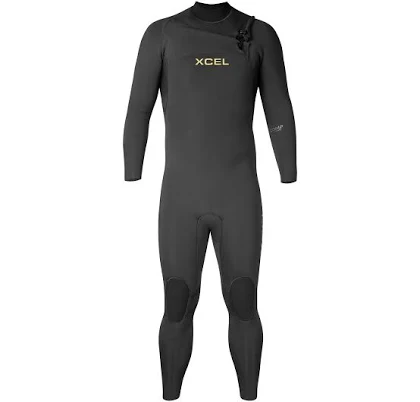
Xcel Men's Comp Full Wetsuit
Skip until Xcel discloses water-repellent coating chemistry or pursue PFAS-free verified wetsuits.
Xcel wetsuits typically use neoprene with water-repellent surface treatments for durability. The brand does not disclose whether its water-repellent coating coatings contain PFAS.
The better-graded swap
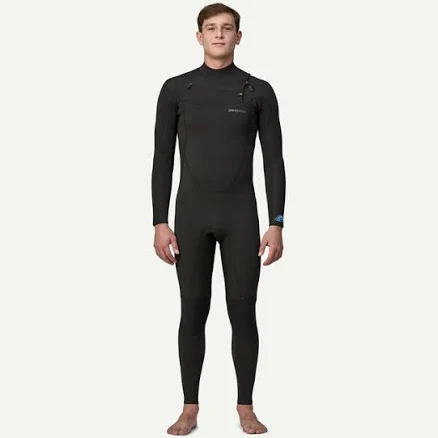
Patagonia
Patagonia Men's Yulex Regulator Lite Front-Zip Full Wetsuit
90/100 safety
Same rubric that flunked this product. The swap earned Excellent.
Still want this one anyway? Check the price on Amazon. We’d swap it.
Material
Neoprene/rubber wetsuit with water-repellent coating
Brand disclosure
Brand is silent on PFAS
Lab data
No public lab test
You may also be interested in
Top-graded picks in the categories readers replace first, every one scored on the same rubric.

- polypropylene filter housing, carbon/sediment cartridge
- We found no PFAS statement from the brand
- Bacterial growth in spent cartridges
3 hazards checked on this product, all on its full breakdown.

Aquasure
Premier Series 75 GPD Under Sink Reverse Osmosis Water Filtration System
- RO membrane, carbon filters, stainless steel housing
- We found no PFAS statement from the brand
- Bacterial and microbial growth in housing and filters
4 hazards checked on this product, all on its full breakdown.

Avocado
Vegan Mattress
- organic cotton, natural latex, coconut coir, recycled steel coils
- The brand calls it PFAS-free, which we have not verified
- Heavy metals
2 hazards checked on this product, all on its full breakdown.
What Xcel Men's Comp Full Wetsuit is made of, ingredients and materials
This wetsuit is constructed from neoprene (chloroprene rubber), a synthetic elastomer that provides thermal insulation and water resistance. Neoprene itself is chemically stable once cured and does not typically leach harmful compounds into water or skin under normal use. However, Xcel applies a water-repellent coating (water-repellent coating) finish to improve performance, and the specific chemistry of that coating is not publicly disclosed by the brand. water-repellent coating coatings on textiles and wetsuits have historically been a major source of PFAS contamination, though some newer formulations use shorter-chain or alternative chemistries.
What’s concerning
Category baseline
The starting point for this type of product, before anything specific to this product is counted.
No PFAS disclosure
No public statement from the brand about PFAS in this product.
Waterproof / stain-resistant treatment
Water-repellent coating treatments have historically used PFAS.
water-repellent coating chemistry (undisclosed)
Xcel does not publish water-repellent coating formulation. Most wetsuits historically used long-chain PFAS (PFOA, PFOS) in water repellent coatings; newer formulations vary. Without disclosure, PFAS content cannot be ruled out and represents the primary chemical concern for this product.
Skin irritation from residual coatings or accelerators
Some users report mild contact dermatitis from new wetsuits, typically from residual processing chemicals (e.g., vulcanization accelerators, fungicides) in neoprene, not the water-repellent coating itself. This usually resolves after washing. No widespread recall or complaint pattern exists for Xcel suits on this basis.
What’s reassuring
Neoprene degradation and off-gassing
Cured neoprene does not off-gas volatile organic compounds (VOCs) or leach monomers under normal wear. Degradation occurs primarily through UV and mechanical stress, not chemical instability. No health hazard is established for standard neoprene wetsuits in this use context.
Formaldehyde / VOCs
Neoprene itself does not require formaldehyde resin finishing, and Xcel does not use azo dyes in neoprene construction based on available product information. Secondary linings or trim may introduce these if synthetic fabrics are present, but no specific hazard report exists for this product line.
Source, ATSDR ↗Antimony in synthetic materials
Neoprene is not typically doped with antimony catalysts; antimony concern applies mainly to polyester and polyethylene terephthalate (PET) fibers. This product contains minimal synthetic fiber content relative to neoprene, so antimony exposure is negligible.
How is this PFAS grade calculated?
The brand's record and disclosure
Xcel does not publicly disclose the chemical composition of its water-repellent coating finishes or provide certifications (such as OEKO-TEX, GOTS, or PFAS-free verification) on this product line. The brand has not issued statements addressing PFAS in wetsuits or committed to phasing out long-chain PFAS in manufacturing. This silence is notable given that major competitors (e.g.Patagonia and O'Neill have begun transitioning to water-repellent coating alternatives without intentionally added PFAS and publishing ingredient transparency. Without disclosure, the water-repellent coating chemistry remains a black box.
How it compares in its category
Wetsuits commonly use neoprene or nylon-based materials with water-repellent coating finishes; Xcel's construction is standard for mid-range performance suits. The key differentiator across brands is water-repellent coating chemistry, competitors such as Patagonia explicitly market PFAS-free wetsuits, while others remain silent. Xcel's lack of transparency on this point places it in the lower tier of disclosure-conscious brands, though the neoprene base material itself is not a concern. If PFAS exposure during water sports is a priority, verified PFAS-free wetsuits offer measurable reassurance this product does not.
If you buy it
Wash the wetsuit in cool fresh water after each saltwater use to reduce salt buildup and extend water-repellent coating durability; avoid heat sources, as high temperature can degrade both neoprene and coatings. Do not machine wash or dry clean, as surfactants and solvents may strip the water-repellent coating layer and potentially mobilize residual coating chemicals. Replace the suit when seams separate, neoprene becomes brittle, or water no longer beads on the surface, typically every 3-5 years depending on use frequency. If PFAS concern grows, consider resale or donation rather than landfill disposal.
What is not known about PFAS in this product?
- Basis
- Model estimate, 42% confidence, not a lab result
- Lab test
- None on record for this exact product
- Brand statement
- Xcel has made none
Formulations change between production runs, so check the current label. How we grade.
What are the PFAS-free alternatives to Xcel Men's Comp Full Wetsuit?
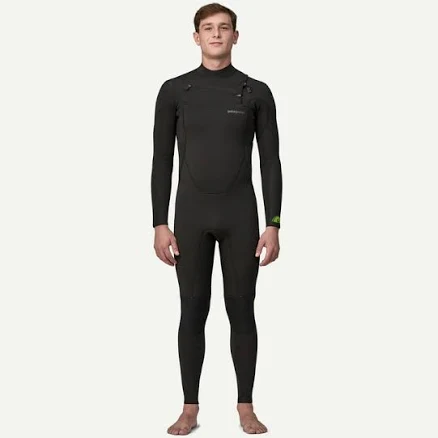
- Yulex (synthetic rubber), neoprene-free base
- The brand calls it PFAS-free, which we have not verified
- Formaldehyde / VOCs
2 hazards checked on this product, all on its full breakdown.
- Yulex (synthetic rubber, PTMEG-based), neoprene-free
- The brand calls it PFAS-free, which we have not verified
- Synthetic rubber degradation and material failure
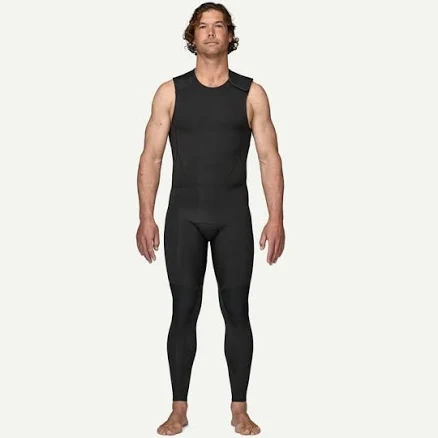
- Yulex (synthetic rubber), neoprene-free alternative
- The brand calls it PFAS-free, which we have not verified
- Formaldehyde / VOCs
4 hazards checked on this product, all on its full breakdown.
More wetsuits grades
How we score, every product runs through the same public 0-100 rubric based on materials, coatings, brand disclosure, lab findings, and recalls. See the full methodology → Spotted a mistake? Report an error.