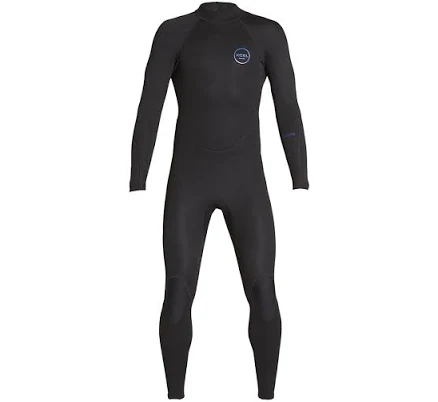
Xcel Men's Axis Flatlock Back Zip Full Wetsuit
Moderate concern; typical wetsuit water-repellent coating likely contains PFAS, no data for this model.
Xcel wetsuits typically use water-repellent coating treatments on neoprene, which historically rely on PFAS-based formulations. The brand does not disclose PFAS use or commit to PFAS-free alternatives.
The better-graded swap
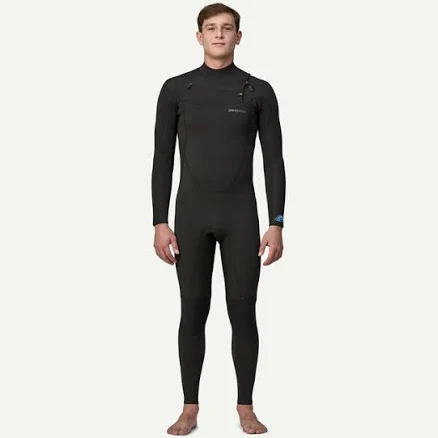
Patagonia
Patagonia Men's Yulex Regulator Lite Front-Zip Full Wetsuit
90/100 safety
Same rubric that flunked this product. The swap earned Excellent.
Still want this one anyway? Check the price on Amazon. We’d swap it.
Material
Neoprene/rubber with water-repellent coating
Brand disclosure
Brand is silent on PFAS
Lab data
No public lab test
You may also be interested in
Top-graded picks in the categories readers replace first, every one scored on the same rubric.

- polypropylene filter housing, carbon/sediment cartridge
- We found no PFAS statement from the brand
- Bacterial growth in spent cartridges
3 hazards checked on this product, all on its full breakdown.

Aquasure
Premier Series 75 GPD Under Sink Reverse Osmosis Water Filtration System
- RO membrane, carbon filters, stainless steel housing
- We found no PFAS statement from the brand
- Bacterial and microbial growth in housing and filters
4 hazards checked on this product, all on its full breakdown.

Avocado
Vegan Mattress
- organic cotton, natural latex, coconut coir, recycled steel coils
- The brand calls it PFAS-free, which we have not verified
- Heavy metals
2 hazards checked on this product, all on its full breakdown.
What Xcel Men's Axis Flatlock Zip Full Wetsuit is made of, ingredients and materials
The Xcel Axis uses neoprene rubber as its base material, which is chemically stable and not known to leach hazardous substances into skin or water during normal wear. The critical component is the water-repellent coating (water-repellent coating) coating applied to the exterior fabric, which in the wetsuit industry is typically formulated with fluorinated compounds (PFAS-based) to maintain water shedding properties across repeated use cycles. Neoprene itself does not off-gas volatile organic compounds at body temperature, but the manufacturing process and applied coatings carry the primary chemical concern.
What’s concerning
Category baseline
The starting point for this type of product, before anything specific to this product is counted.
No PFAS disclosure
No public statement from the brand about PFAS in this product.
Waterproof / stain-resistant treatment
Water-repellent coating treatments have historically used PFAS.
water-repellent coating degradation and potential microplastic shedding
As the fluorinated water-repellent coating layer wears through normal use and flexing, small particles of the coating can shed into water. While not directly toxic, microplastic ingestion from water is a known environmental and potential health pathway; extent of shedding from this specific model is not documented.
Neoprene rubber allergic contact dermatitis
Neoprene is a known contact allergen in some individuals, particularly those with latex sensitivity; reactions are typically mild localized rash. This is inherent to the material category and not specific to Xcel, but sensitive users should test fit before committing to full purchase.
VOC off-gassing from adhesives or manufacturing residues
New neoprene suits may retain odorous volatile compounds from manufacturing glues and processing; this typically dissipates within 24-48 hours of airing. No data specific to the Axis, but common across the category.
PFAS
Wetsuits are worn for hours in direct skin and water contact, potentially transferring PFAS from the water-repellent coating through skin absorption or into marine environments with repeated use. Cumulative exposure risk is heightened compared to other apparel; no specific migration rate for the Axis exists.
Source, ATSDR ↗What’s reassuring
Heavy metals
No recalls or public testing of Xcel wetsuits for heavy metal content in pigments or dyes have been recorded. Industry standards for textile dyes are generally enforced, but independent verification specific to this brand is absent.
Source, FDA ↗How is this PFAS grade calculated?
The brand's record and disclosure
Xcel is a longstanding wetsuit manufacturer with no public commitment to PFAS-free or fluorine-free water-repellent coating systems, and the company does not disclose coating chemistry on product labels or websites. The brand has not faced major documented recalls or controversies related to chemical hazards in wetsuits, but this reflects limited independent testing rather than confirmed safety. Xcel's silence on PFAS in a category where it is industry-standard suggests the product likely contains it; many competitors (e.g., some Patagonia and Fourth Element models) explicitly market fluorine-free alternatives, which Xcel does not.
How it compares in its category
Standard neoprene wetsuits with conventional water-repellent coating coatings are the category baseline, and the Axis sits there. Fluorine-free water-repellent coating wetsuits exist but are less common and typically cost 15-30% more; they trade some water-shedding durability for reduced PFAS load. Non-coated or minimally coated neoprene suits (rare) eliminate the coating hazard but lose the repellent benefit and feel heavier when wet. The Axis represents the mainstream choice, with typical coating durability and moderate PFAS concern.
If you buy it
Rinse the suit in fresh water after every saltwater session to remove salt residue and reduce coating degradation, which can accelerate leaching if the surface begins to crack or peel. Air-dry flat or on a hanger away from direct heat and sunlight; machine washing or heat drying will degrade the water-repellent coating faster. Inspect the surface annually for cracks, flaking, or white discoloration; once coating integrity is visibly compromised, replacement is advisable. Do not store compressed or in damp conditions, as this promotes mold and accelerates material breakdown.
What is not known about PFAS in this product?
- Basis
- Model estimate, 45% confidence, not a lab result
- Lab test
- None on record for this exact product
- Brand statement
- Xcel has made none
Formulations change between production runs, so check the current label. How we grade.
What are the PFAS-free alternatives to Xcel Men's Axis Flatlock Back Zip Full Wetsuit?
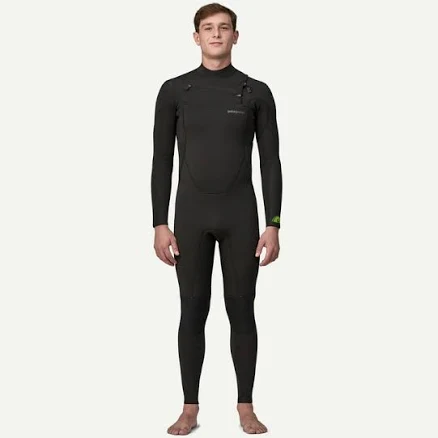
- Yulex (synthetic rubber), neoprene-free base
- The brand calls it PFAS-free, which we have not verified
- Formaldehyde / VOCs
2 hazards checked on this product, all on its full breakdown.
- Yulex (synthetic rubber, PTMEG-based), neoprene-free
- The brand calls it PFAS-free, which we have not verified
- Synthetic rubber degradation and material failure
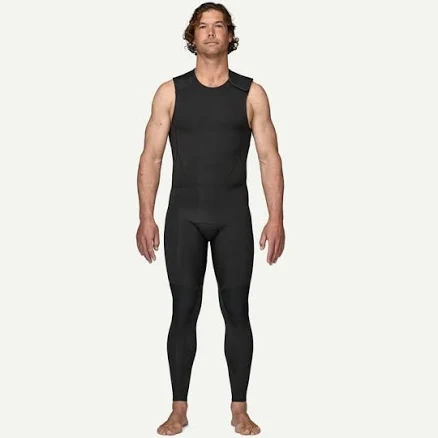
- Yulex (synthetic rubber), neoprene-free alternative
- The brand calls it PFAS-free, which we have not verified
- Formaldehyde / VOCs
4 hazards checked on this product, all on its full breakdown.
More wetsuits grades
How we score, every product runs through the same public 0-100 rubric based on materials, coatings, brand disclosure, lab findings, and recalls. See the full methodology → Spotted a mistake? Report an error.