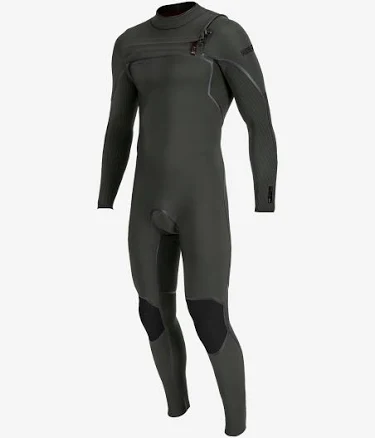
O'Neill Hyperfreak Fire 4/3 Chest Zip Wetsuit
water-repellent coating-coated wetsuit with neoprene and no chemistry disclosure on record.
This wetsuit has a water-repellent coating, and the chemistry of that coating is not stated. water-repellent coating treatments have historically used PFAS. The brand has no PFAS statement on record for this product.
The better-graded swap
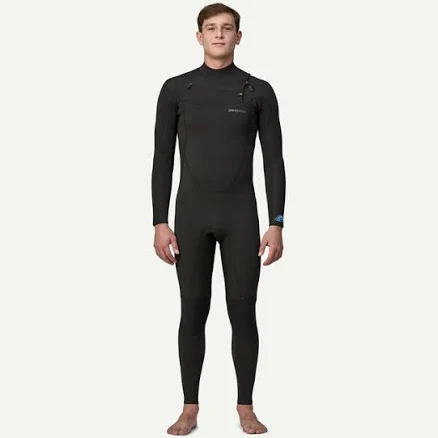
Patagonia
Patagonia Men's Yulex Regulator Lite Front-Zip Full Wetsuit
90/100 safety
Same rubric that flunked this product. The swap earned Excellent.
Still want this one anyway? Check the price on Amazon. We’d swap it.
Material
Neoprene/synthetic rubber with water-repellent coating
Brand disclosure
Brand is silent on PFAS
Lab data
No public lab test
You may also be interested in
Top-graded picks in the categories readers replace first, every one scored on the same rubric.

- polypropylene filter housing, carbon/sediment cartridge
- We found no PFAS statement from the brand
- Bacterial growth in spent cartridges
3 hazards checked on this product, all on its full breakdown.

Aquasure
Premier Series 75 GPD Under Sink Reverse Osmosis Water Filtration System
- RO membrane, carbon filters, stainless steel housing
- We found no PFAS statement from the brand
- Bacterial and microbial growth in housing and filters
4 hazards checked on this product, all on its full breakdown.

Avocado
Vegan Mattress
- organic cotton, natural latex, coconut coir, recycled steel coils
- The brand calls it PFAS-free, which we have not verified
- Heavy metals
2 hazards checked on this product, all on its full breakdown.
What O'Neill Hyperfreak Fire 4/3 Zip Wetsuit is made of, ingredients and materials
This wetsuit uses neoprene, a synthetic rubber derived from chloroprene polymer, combined with a water-repellent (water-repellent coating) coating applied to the outer fabric layer. The neoprene itself is relatively stable and does not off-gas significantly during normal use. However, the water-repellent coating finish is the primary chemical concern, manufacturers in this category typically use fluorinated compounds (PFAS-based) to achieve water-shedding properties, though O'Neill does not publicly disclose which specific water-repellent coating chemistry they employ for this model.
What’s concerning
Category baseline
The starting point for this type of product, before anything specific to this product is counted.
No PFAS disclosure
No public statement from the brand about PFAS in this product.
Waterproof / stain-resistant treatment
Water-repellent coating treatments have historically used PFAS.
PFAS
Standard neoprene wetsuits use fluorinated water repellents unless explicitly stated otherwise. O'Neill provides no public confirmation of PFAS-free alternatives for this model, and industry practice suggests fluorinated chemistry is employed. Exposure occurs mainly through water contact and wear, not direct skin absorption.
Source, ATSDR ↗Neoprene degradation and microplastic shedding
Neoprene is mechanically robust but can fragment if stored improperly or exposed to prolonged UV or heat. Shed microparticles from worn seams or damaged coating are possible but not unique to O'Neill; typical for the category. No specific recalls or reports for this model.
Bacterial or fungal growth if not maintained
Neoprene retains moisture and can harbor Staphylococcus or fungal species if stored wet or in warm conditions. This is a use/storage issue, not a manufacturing hazard, and affects all wetsuits equally. Proper rinsing and drying eliminate this risk.
What’s reassuring
Formaldehyde / VOCs
O'Neill does not disclose whether outer fabric uses formaldehyde-based resins or azo (synthetic azo dyes prone to aromatic amine release). No public reports of dermatitis or chemical sensitivity linked to this product, though allergic contact dermatitis is possible with any synthetic wetsuit.
Source, ATSDR ↗Antimony in polyester/synthetic fibers
Some polyester used in outer liners may contain antimony trioxide as a catalyst residue. O'Neill does not test or disclose antimony levels. Risk is considered low in sealed-wear contexts (minimal oral/inhalation exposure), but no public testing for this brand or model.
How is this PFAS grade calculated?
The brand's record and disclosure
O'Neill has not issued public commitments to PFAS-free manufacturing or transparent chemical disclosure policies. The brand does not provide material safety data sheets or third-party certifications (such as Bluesign, GOTS, or similar standards) for this product line. Industry peers such as Patagonia have adopted PFAS alternatives for wetsuits; O'Neill's silence on this issue reflects a broader lack of chemical accountability common among mainstream wetsuit manufacturers.
How it compares in its category
Most neoprene wetsuits in the mid-market segment (O'Neill is mainstream/affordable) rely on fluorinated water-repellent coating coatings, placing this product in the typical risk profile for sealed wetsuits. Premium brands (Patagonia, Fourth Element) and eco-focused labels offer PFAS-free alternatives using wax-based or non-fluorinated hydrophobic finishes, though at higher cost. The chest-zip construction itself poses no chemical hazard beyond the standard water-repellent coating exposure.
If you buy it
Rinse thoroughly with fresh water after saltwater use to remove residual salt and reduce microbial growth in neoprene. Dry flat away from direct heat or sunlight; do not machine wash or dry. Store in a cool, dry space; neoprene can degrade if stored damp or in heat (which may also accelerate water-repellent coating leaching). Replace when seals degrade or zippers fail, as deteriorating coatings may shed microparticles. Minimize direct skin contact with the water-repellent coating-coated outer layer if you have sensitive skin, though dermal absorption from a coating is minimal during normal wear.
What is not known about PFAS in this product?
- Basis
- Model estimate, 42% confidence, not a lab result
- Lab test
- None on record for this exact product
- Brand statement
- O'Neill has made none
Formulations change between production runs, so check the current label. How we grade.
What are the PFAS-free alternatives to O'Neill Hyperfreak Fire 4/3 Chest Zip Wetsuit?
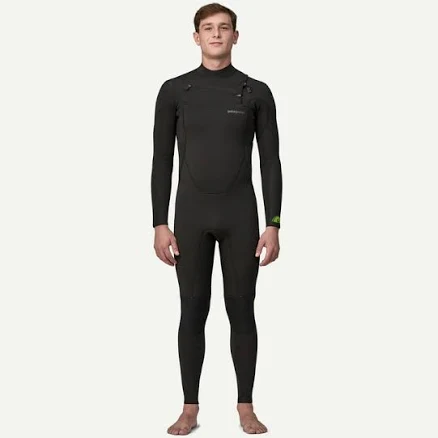
- Yulex (synthetic rubber), neoprene-free base
- The brand calls it PFAS-free, which we have not verified
- Formaldehyde / VOCs
2 hazards checked on this product, all on its full breakdown.
- Yulex (synthetic rubber, PTMEG-based), neoprene-free
- The brand calls it PFAS-free, which we have not verified
- Synthetic rubber degradation and material failure
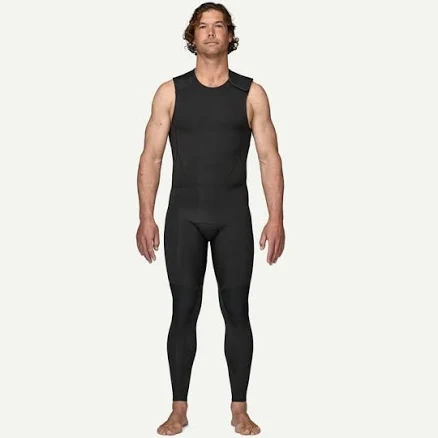
- Yulex (synthetic rubber), neoprene-free alternative
- The brand calls it PFAS-free, which we have not verified
- Formaldehyde / VOCs
4 hazards checked on this product, all on its full breakdown.
More wetsuits grades
How we score, every product runs through the same public 0-100 rubric based on materials, coatings, brand disclosure, lab findings, and recalls. See the full methodology → Spotted a mistake? Report an error.