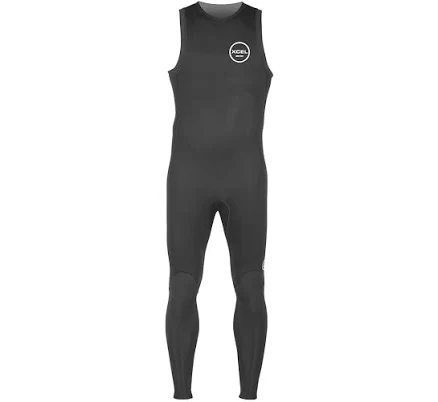
Xcel Men's Axis Long John Wetsuit
Skip until Xcel discloses water-repellent coating chemistry or commits to PFAS-free wetsuit construction.
Xcel wetsuits typically use neoprene with water-repellent coating coatings, a category historically treated with PFAS to achieve waterproofing. The brand makes no public disclosure of water-repellent coating chemistry or PFAS avoidance.
The better-graded swap
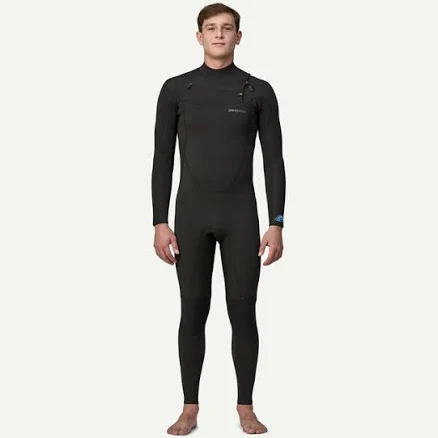
Patagonia
Patagonia Men's Yulex Regulator Lite Front-Zip Full Wetsuit
90/100 safety
Same rubric that flunked this product. The swap earned Excellent.
Still want this one anyway? Check the price on Amazon. We’d swap it.
Material
neoprene/nylon with water-repellent coating treatment (type unspecified)
Brand disclosure
Brand is silent on PFAS
Lab data
No public lab test
You may also be interested in
Top-graded picks in the categories readers replace first, every one scored on the same rubric.

- polypropylene filter housing, carbon/sediment cartridge
- We found no PFAS statement from the brand
- Bacterial growth in spent cartridges
3 hazards checked on this product, all on its full breakdown.

Aquasure
Premier Series 75 GPD Under Sink Reverse Osmosis Water Filtration System
- RO membrane, carbon filters, stainless steel housing
- We found no PFAS statement from the brand
- Bacterial and microbial growth in housing and filters
4 hazards checked on this product, all on its full breakdown.

Avocado
Vegan Mattress
- organic cotton, natural latex, coconut coir, recycled steel coils
- The brand calls it PFAS-free, which we have not verified
- Heavy metals
2 hazards checked on this product, all on its full breakdown.
What Xcel Men's Axis Long John Wetsuit is made of, ingredients and materials
The Xcel Axis uses neoprene (synthetic rubber) as its core insulating material, typically bonded to nylon facing for durability and stretch. Neoprene itself is chloroprene-based and does not inherently leach hazardous chemicals into skin under normal use. However, the water-repellent coating (water-repellent coating) treatment applied to the nylon exterior is the critical unknown, Xcel has not published what chemistry is used, and many mid-market wetsuit brands still rely on PFAS-based formulations to achieve water-shedding performance. The manufacturing process may also involve residual solvents or adhesives in the neoprene lamination, though this is not specific to Xcel.
What’s concerning
Category baseline
The starting point for this type of product, before anything specific to this product is counted.
No PFAS disclosure
No public statement from the brand about PFAS in this product.
Waterproof / stain-resistant treatment
Water-repellent coating treatments have historically used PFAS.
PFAS
Xcel has not disclosed the water-repellent coating chemistry. Standard industry practice in this price tier historically included PFAS compounds; absence of a public statement suggesting otherwise means fluorocarbon-based treatment cannot be ruled out. Direct skin contact with a treated neoprene wetsuit poses low acute risk, but manufacturing residue and water runoff are environmental concerns.
Source, ATSDR ↗Residual solvents and adhesive fumes during manufacture and storage
Neoprene lamination and gluing processes can leave trace organic solvents trapped in the material. New wetsuits sometimes release mild odor; this is not acutely toxic but indicates incomplete off-gassing. Airing the suit indoors for several days before first use mitigates this.
What’s reassuring
Neoprene degradation and rubber particle shedding
Neoprene does not naturally degrade into hazardous microparticles under normal saltwater use. However, mechanical wear (repeated flexing, UV exposure) can eventually fragment rubber; no health risk is established for small ingested particles from wetsuits, but it is an environmental persistence concern if discarded.
Sensitization to neoprene or adhesive components
True neoprene allergy is rare; most dermatological reactions to wetsuits are caused by residual accelerators or the glue between laminate layers. No specific allergic incidents are on record for the Xcel Axis, but individuals with known sensitivity to chloroprene or synthetic rubber should test a small area first.
Thermal stress from prolonged hot-water rinsing or storage
Neoprene is stable in cool to warm saltwater; high heat (above 60C) can degrade the material and potentially release decomposition products. Normal rinse and care practices do not approach these temperatures, so this is a low practical risk for this product.
How is this PFAS grade calculated?
The brand's record and disclosure
Xcel does not publicly disclose the specific water-repellent coating treatment chemistry used in this product, nor does the brand maintain a published PFAS-reduction commitment or third-party sustainability certification visible in major databases. This silence is a red flag in an industry where competitors (e.g., Patagonia, some Billabong lines) have begun disclosing fluorocarbon-free or PFAS-free construction. The brand has not faced a major recall or public safety accusation tied to this product, but lack of transparency is not the same as safety assurance.
How it compares in its category
Mid-range wetsuits like the Xcel Axis occupy a price and performance tier where water-repellent coating treatment is standard but often not disclosed. Premium brands increasingly market PFAS-free water-repellent coating or wax-based hydrophobic coatings; budget options may use older PFAS formulations. Xcel's positioning suggests it targets the performance-without-premium-price segment, which historically correlates with less transparent chemical sourcing. Direct comparison requires contacting the brand or checking third-party testing, as no independent lab data is publicly available for this specific model.
If you buy it
Care instructions, rinse in fresh water after saltwater use to remove salt deposits and extend neoprene life; avoid prolonged direct sunlight, which degrades rubber faster. Do not machine wash or dry-clean; hand wash in cool water with mild soap if needed. Store flat or hanging in shade. Before purchase, contact Xcel customer service and specifically ask whether the water-repellent coating treatment is fluorocarbon-free and what adhesives are used in the neoprene lamination. If they cannot answer, consider it a signal that they have not vetted supply-chain chemistry.
What is not known about PFAS in this product?
- Basis
- Model estimate, 42% confidence, not a lab result
- Lab test
- None on record for this exact product
- Brand statement
- Xcel has made none
Formulations change between production runs, so check the current label. How we grade.
What are the PFAS-free alternatives to Xcel Men's Axis Long John Wetsuit?
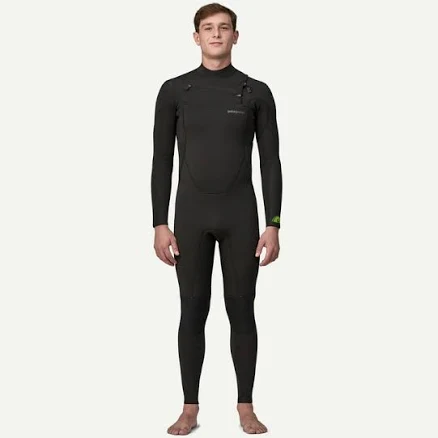
- Yulex (synthetic rubber), neoprene-free base
- The brand calls it PFAS-free, which we have not verified
- Formaldehyde / VOCs
2 hazards checked on this product, all on its full breakdown.
- Yulex (synthetic rubber, PTMEG-based), neoprene-free
- The brand calls it PFAS-free, which we have not verified
- Synthetic rubber degradation and material failure
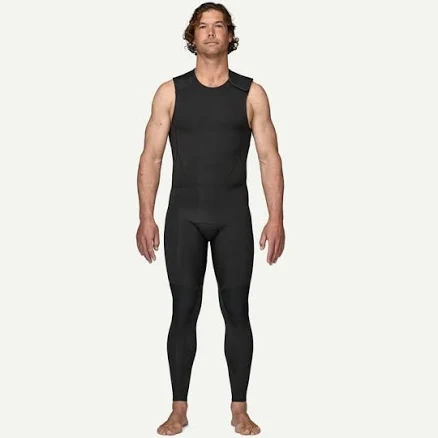
- Yulex (synthetic rubber), neoprene-free alternative
- The brand calls it PFAS-free, which we have not verified
- Formaldehyde / VOCs
4 hazards checked on this product, all on its full breakdown.
More wetsuits grades
How we score, every product runs through the same public 0-100 rubric based on materials, coatings, brand disclosure, lab findings, and recalls. See the full methodology → Spotted a mistake? Report an error.