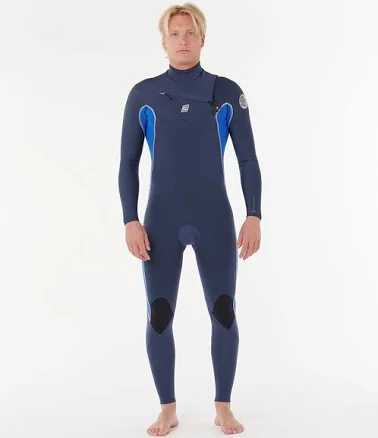
Rip Curl Dawn Patrol Chest Zip Wetsuit
Skip until Rip Curl discloses water-repellent coating chemistry or commits to PFAS-free standards.
Rip Curl's Dawn Patrol wetsuit uses neoprene with a water-repellent coating typical of performance wetsuits, but the brand does not disclose whether PFAS compounds are in that finish.
The better-graded swap
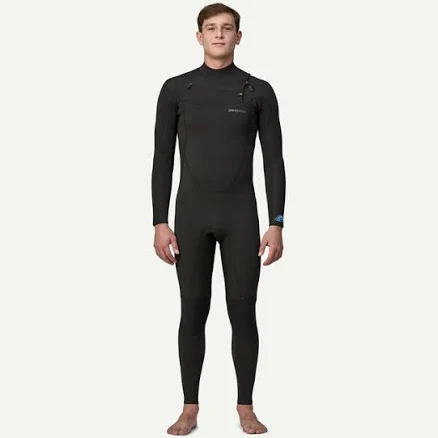
Patagonia
Patagonia Men's Yulex Regulator Lite Front-Zip Full Wetsuit
90/100 safety
Same rubric that flunked this product. The swap earned Excellent.
Still want this one anyway? Check the price on Amazon. We’d swap it.
Material
Neoprene with water-repellent coating water-repellent coating
Brand disclosure
Brand is silent on PFAS
Lab data
No public lab test
You may also be interested in
Top-graded picks in the categories readers replace first, every one scored on the same rubric.

- polypropylene filter housing, carbon/sediment cartridge
- We found no PFAS statement from the brand
- Bacterial growth in spent cartridges
3 hazards checked on this product, all on its full breakdown.

Aquasure
Premier Series 75 GPD Under Sink Reverse Osmosis Water Filtration System
- RO membrane, carbon filters, stainless steel housing
- We found no PFAS statement from the brand
- Bacterial and microbial growth in housing and filters
4 hazards checked on this product, all on its full breakdown.

Avocado
Vegan Mattress
- organic cotton, natural latex, coconut coir, recycled steel coils
- The brand calls it PFAS-free, which we have not verified
- Heavy metals
2 hazards checked on this product, all on its full breakdown.
What Rip Curl Dawn Patrol Chest Zip Wetsuit is made of, ingredients and materials
This wetsuit is constructed from neoprene, a synthetic rubber polymer, with a water-repellent coating (water-repellent coating) coating applied to the outer fabric. Neoprene itself is chemically stable during wear but can off-gas volatile organic compounds (VOCs) during manufacturing and early use, particularly in sealed or poorly ventilated spaces. The water-repellent coating is the primary concern, Rip Curl has not publicly disclosed whether this coating uses PFAS "forever chemicals" (PFAS), the class of persistent chemicals commonly used in water-repellent treatments. Without transparency, the specific chemical risks of this coating cannot be assessed.
What’s concerning
Category baseline
The starting point for this type of product, before anything specific to this product is counted.
No PFAS disclosure
No public statement from the brand about PFAS in this product.
Waterproof / stain-resistant treatment
Water-repellent coating treatments have historically used PFAS.
Volatile Organic Compounds (VOCs) from neoprene manufacturing
Neoprene wetsuits commonly emit VOCs, especially during initial use and in warm or poorly ventilated conditions. Off-gassing typically diminishes after the first few washes but is not quantified on product literature for this model.
PFAS
Rip Curl does not publicly disclose whether the water-repellent coating on this wetsuit contains fluorinated compounds. The industry standard for neoprene wetsuits is fluorinated coatings, but confirmation and alternatives are absent from brand communication.
Source, ATSDR ↗Skin contact with coating particles or residues
Degradation of the water-repellent coating over time can shed microparticles or release residual chemical treatments into the water and onto skin, particularly in high-friction areas. Risk increases with time and wear frequency.
Heat-induced leaching from neoprene or coating
Hot water or prolonged sun exposure may increase leaching of polymer additives or coating residues from the neoprene substrate, though neoprene itself is more chemically stable than PVC alternatives. No specific data for this product is publicly available.
Allergic contact dermatitis from residual manufacturing chemicals
Neoprene wetsuits may retain residual processing aids, accelerators, or cross-linking agents that can trigger skin irritation or allergic reactions in sensitive individuals. Initial rinsing reduces but does not eliminate this risk.
How is this PFAS grade calculated?
The brand's record and disclosure
Rip Curl has not made public commitments to PFAS-free manufacturing or disclosed the chemistry of its water-repellent coating treatments. The brand does not appear on major sustainable-sportswear certification lists (e.g., Fair Trade Certified, Bluesign approved, or OEKO-TEX) that typically mandate chemical transparency. No specific product recalls or chemical safety controversies involving Rip Curl wetsuits are on public record, but the absence of disclosure is itself a significant gap in consumer protection, particularly for a product worn directly against skin in water.
How it compares in its category
Most neoprene wetsuits in the consumer market use fluorinated water-repellent coating coatings, making this product typical rather than exceptional in chemical risk. Competitors including O'Neill, Xcel, and Matuse have begun exploring PFAS-free alternatives or pursuing Bluesign certification, which restricts PFAS use. Switching to a brand with verified PFAS-free water-repellent coating (or no water-repellent coating) would reduce the primary chemical exposure from this product category. Natural rubber wetsuits are rare but available from smaller manufacturers and carry lower chemical-treatment risk, though they typically cost more and degrade faster.
If you buy it
Rinse the wetsuit thoroughly in fresh water immediately after first use and periodically thereafter to reduce residual VOC and coating particle exposure. Avoid prolonged storage in sealed bags or hot cars; air-dry in a cool, well-ventilated space to minimize off-gassing inhalation. Do not use solvents, bleach, or high heat (above 40 degrees Celsius water) for washing, as these can degrade the water-repellent coating and potentially mobilize contaminants. If the water-repellent coating visibly breaks down, peels, or loses water repellency after 1-2 years of regular use, consider replacement rather than recoating, as aftermarket treatments may introduce additional chemical unknowns.
What is not known about PFAS in this product?
- Basis
- Model estimate, 42% confidence, not a lab result
- Lab test
- None on record for this exact product
- Brand statement
- Rip Curl has made none
Formulations change between production runs, so check the current label. How we grade.
What are the PFAS-free alternatives to Rip Curl Dawn Patrol Chest Zip Wetsuit?
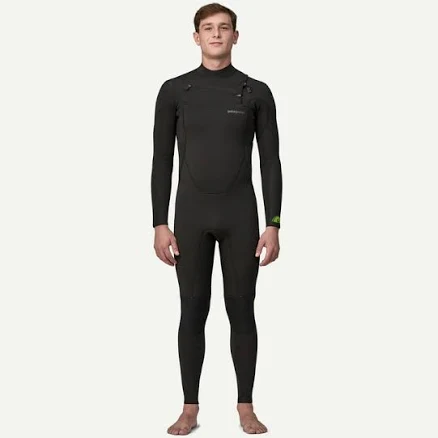
- Yulex (synthetic rubber), neoprene-free base
- The brand calls it PFAS-free, which we have not verified
- Formaldehyde / VOCs
2 hazards checked on this product, all on its full breakdown.
- Yulex (synthetic rubber, PTMEG-based), neoprene-free
- The brand calls it PFAS-free, which we have not verified
- Synthetic rubber degradation and material failure
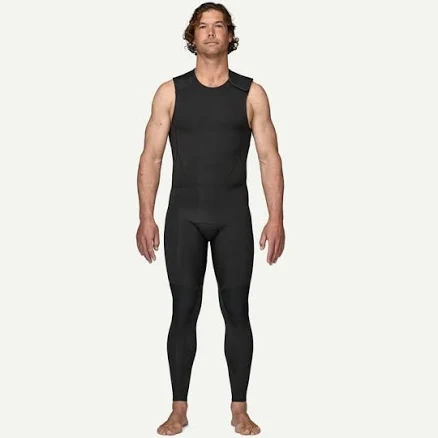
- Yulex (synthetic rubber), neoprene-free alternative
- The brand calls it PFAS-free, which we have not verified
- Formaldehyde / VOCs
4 hazards checked on this product, all on its full breakdown.
More wetsuits grades
How we score, every product runs through the same public 0-100 rubric based on materials, coatings, brand disclosure, lab findings, and recalls. See the full methodology → Spotted a mistake? Report an error.