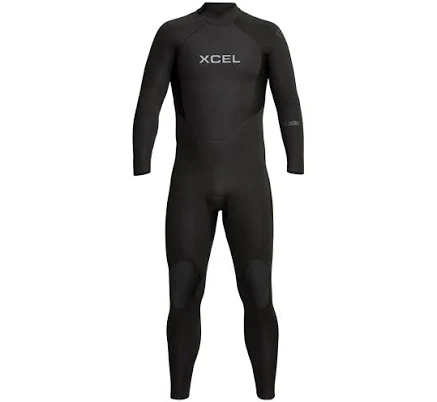
Xcel Men's Axis Back Zip Full Wetsuit
Skip unless Xcel provides water-repellent coating treatment transparency; wetsuits typically use fluorinated coatings.
Xcel wetsuits use water-repellent treatments standard in the industry, but the brand does not disclose the chemistry of its coatings or confirm PFAS-free status. Neoprene wetsuits commonly rely on PFAS-based water-repellent coating.
The better-graded swap
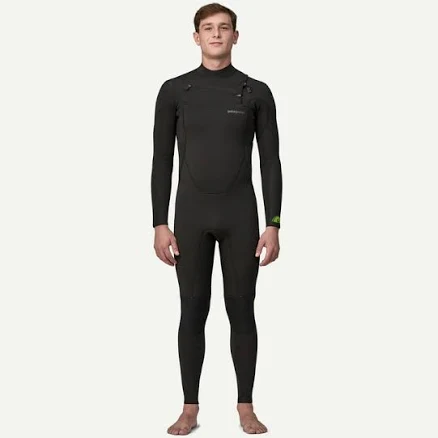
Patagonia
Patagonia Men's R2 Yulex Regulator Front-Zip Full Wetsuit
90/100 safety
Same rubric that flunked this product. The swap earned Excellent.
Still want this one anyway? Check the price on Amazon. We’d swap it.
Material
neoprene/nylon with water-repellent coating water-repellent coating
Brand disclosure
Brand is silent on PFAS
Lab data
No public lab test
You may also be interested in
Top-graded picks in the categories readers replace first, every one scored on the same rubric.

- polypropylene filter housing, carbon/sediment cartridge
- We found no PFAS statement from the brand
- Bacterial growth in spent cartridges
3 hazards checked on this product, all on its full breakdown.

Aquasure
Premier Series 75 GPD Under Sink Reverse Osmosis Water Filtration System
- RO membrane, carbon filters, stainless steel housing
- We found no PFAS statement from the brand
- Bacterial and microbial growth in housing and filters
4 hazards checked on this product, all on its full breakdown.

Avocado
Vegan Mattress
- organic cotton, natural latex, coconut coir, recycled steel coils
- The brand calls it PFAS-free, which we have not verified
- Heavy metals
2 hazards checked on this product, all on its full breakdown.
What Xcel Men's Axis Back Zip Full Wetsuit is made of, ingredients and materials
This wetsuit uses neoprene (synthetic rubber) as the core insulating layer, typically bonded to nylon for durability and stretch. The water-repellent coating (water-repellent coating) coating is the chemical wildcard, Xcel does not publicly disclose whether this uses fluorinated compounds (PFAS) or newer non-fluorinated alternatives. Neoprene itself is chemically stable during normal wear but may off-gas trace volatile compounds, especially in new products or after prolonged sun exposure.
What’s concerning
Category baseline
The starting point for this type of product, before anything specific to this product is counted.
No PFAS disclosure
No public statement from the brand about PFAS in this product.
Waterproof / stain-resistant treatment
Water-repellent coating treatments have historically used PFAS.
water-repellent coating chemistry (fluorinated vs. non-fluorinated)
Xcel has not disclosed whether the Axis Back Zip uses PFAS-based water-repellent coating or non-fluorinated alternatives. Most neoprene wetsuits in this price tier default to fluorinated coatings; skin contact with new or degraded coatings may pose microexposure risk, though acute hazard from normal use is considered low.
Nylon degradation and microfiber shedding
The nylon exterior layer can degrade with UV exposure and repeated flexing, potentially releasing microfiber particles during rinse and wear. This is not specific to Xcel but inherent to nylon-faced wetsuits; risk increases over years of use.
What’s reassuring
Neoprene off-gassing (volatile organic compounds)
New neoprene products may emit trace volatile compounds, particularly in the first weeks or after sun exposure. No specific VOC testing data for Xcel wetsuits is publicly available, but this is a known characteristic of the material class and typically dissipates with time and ventilation.
Adhesive and sealing compounds in seams
Wetsuit seams typically use polyurethane-based adhesives; Xcel does not disclose adhesive formulations or whether they contain volatile plasticizers. No recalls or reported issues for Xcel seam adhesives exist in public records.
Formaldehyde / VOCs
Formaldehyde-based resins are not standard in neoprene wetsuits but may appear in some finishing or bonding processes. No evidence of formaldehyde contamination in Xcel products has been reported.
Source, ATSDR ↗How is this PFAS grade calculated?
The brand's record and disclosure
Xcel Wetsuits does not maintain a public transparency statement on PFAS use in water-repellent coating treatments or broader chemical disclosure practices. The brand has not communicated a transition away from fluorinated coatings, nor have they sought third-party certifications (such as bluesign or GOTS) that typically signal stricter chemical controls. No major recalls or contamination incidents involving Xcel wetsuits appear in public records, but absence of disclosure does not indicate safety.
How it compares in its category
Most mainstream wetsuits (including competitors like O'Neill, Ripcurl, and Billabong) use PFAS-containing water-repellent coating coatings as standard practice; Xcel's approach is typical rather than leading. A small subset of brands now advertise PFAS-free or fluorine-free water-repellent coating treatments, but these remain niche and often at premium pricing. On neoprene formulation and durability, Xcel sits in the mid-to-mainstream range with no known chemical red flags beyond water-repellent coating opacity.
If you buy it
Rinse the wetsuit thoroughly with fresh water after each salt-water use to minimize skin contact with residual coatings and salt deposits. Store in a cool, dark place away from direct heat or sunlight, as these can accelerate neoprene degradation and off-gassing. Avoid machine washing or high-temperature drying; hand wash with mild detergent and air dry. Replace the wetsuit if the neoprene becomes cracked, brittle, or the seams separate, as these signal material breakdown.
What is not known about PFAS in this product?
- Basis
- Model estimate, 45% confidence, not a lab result
- Lab test
- None on record for this exact product
- Brand statement
- Xcel has made none
Formulations change between production runs, so check the current label. How we grade.
What are the PFAS-free alternatives to Xcel Men's Axis Back Zip Full Wetsuit?
- Yulex (synthetic rubber), neoprene-free base
- The brand calls it PFAS-free, which we have not verified
- Formaldehyde / VOCs
2 hazards checked on this product, all on its full breakdown.
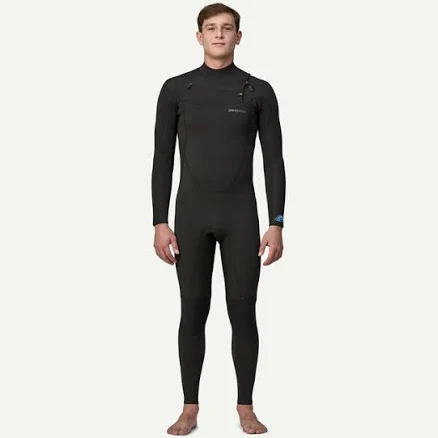
- Yulex (synthetic rubber, PTMEG-based), neoprene-free
- The brand calls it PFAS-free, which we have not verified
- Synthetic rubber degradation and material failure
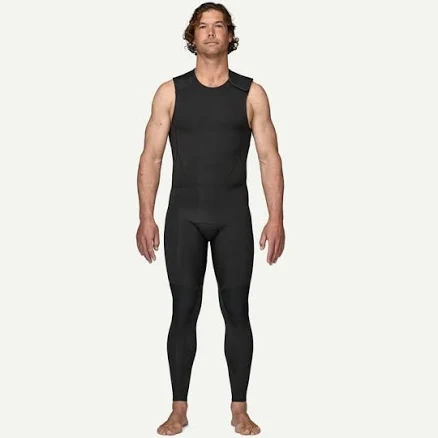
- Yulex (synthetic rubber), neoprene-free alternative
- The brand calls it PFAS-free, which we have not verified
- Formaldehyde / VOCs
4 hazards checked on this product, all on its full breakdown.
More wetsuits grades
How we score, every product runs through the same public 0-100 rubric based on materials, coatings, brand disclosure, lab findings, and recalls. See the full methodology → Spotted a mistake? Report an error.