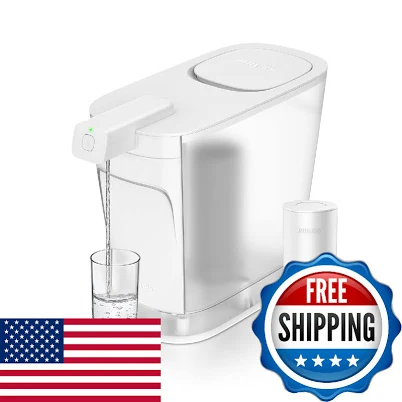
PHILIPS 20 Cup Electric Water Filter Pitcher for Fridge Door
Lower PFAS concern likely, but Philips does not publicly disclose filter composition.
Water filter pitchers typically pose lower PFAS risk because activated carbon and ion-exchange resins aren't Teflon-family coating-based. Philips provides no published statement on PFAS avoidance or filter material specifics for this model.
We flunk more products than we pass. This one earned its grade. How we grade
Material
BPA-free plastic pitcher with activated carbon/ion-exchange filter cartridge
Brand disclosure
Brand is silent on PFAS
Lab data
No public lab test
You may also be interested in
Top-graded picks in the categories readers replace first, every one scored on the same rubric.

- polypropylene filter housing, carbon/sediment cartridge
- We found no PFAS statement from the brand
- Bacterial growth in spent cartridges
3 hazards checked on this product, all on its full breakdown.

Aquasure
Premier Series 75 GPD Under Sink Reverse Osmosis Water Filtration System
- RO membrane, carbon filters, stainless steel housing
- We found no PFAS statement from the brand
- Bacterial and microbial growth in housing and filters
4 hazards checked on this product, all on its full breakdown.

Avocado
Vegan Mattress
- organic cotton, natural latex, coconut coir, recycled steel coils
- The brand calls it PFAS-free, which we have not verified
- Heavy metals
2 hazards checked on this product, all on its full breakdown.
What PHILIPS 20 Cup Electric Water Fridge Door is made of, ingredients and materials
The pitcher body is BPA-free plastic, typically polypropylene or similar food-grade resin, which does not leach known endocrine disruptors under normal cold-water use. The filter cartridge contains activated carbon and ion-exchange resin beads to remove chlorine, taste, odor, and some dissolved solids. Neither material is known to migrate harmful compounds into cold water at rest, though activated carbon performance degrades over time and requires regular replacement per manufacturer guidance.
What’s concerning
No PFAS disclosure
No public statement from the brand about PFAS in this product.
Bacterial growth in filter cartridge
Activated carbon, once saturated, can harbor bacteria if the filter is not replaced regularly or the pitcher is stored in warm conditions. Philips does not specify maintenance intervals clearly on all packaging, placing compliance burden on the user.
Microplastics
Prolonged use or exposure to sunlight may cause minor plastic breakdown in the pitcher body. Cold-water-only use minimizes this risk, but no Philips testing data is publicly available to quantify the rate of particle shedding.
Source, EPA ↗Filter efficacy mismatch with marketing
Budget-tier pitchers often claim broad contaminant removal without NSF or WQA backing; Philips marketing does not specify exactly which contaminants are removed or to what degree, increasing consumer expectation mismatch.
What’s reassuring
Base material not linked to PFAS
The main material recorded for this product is not one associated with PFAS.
Plastic leachables (cold water)
BPA-free polypropylene pitchers do not have an established risk of leaching harmful compounds into cold water at rest. No recalls or toxicity reports specific to this product line are on record.
Filter cartridge housing material safety
Philips does not publicly disclose the composition of the filter housing or cartridge casing. No known hazardous materials (heavy metals, BPA, phthalates) have been reported, but lack of transparency prevents full verification.
How is this PFAS grade calculated?
The brand's record and disclosure
Philips does not publicly disclose detailed filter composition, cartridge sourcing, or PFAS testing results for this pitcher line. The company holds no notable water-filter safety certifications (NSF, WQA) on public record for this model. No recalls or safety violations specific to this product or Philips water pitchers have been reported to the FDA or consumer agencies. The lack of transparency is typical of budget-tier pitcher brands but limits independent verification of contaminant removal claims.
How it compares in its category
This pitcher is a mid-tier option, cheaper than Brita or PUR (which fund third-party testing), but uses the same core technology (carbon plus ion exchange). Most competing pitchers of this price point share similar material safety profiles and lack detailed certification. The 20-cup capacity is practical for fridge storage, though larger pitchers may offer worse contact time between water and filter, reducing effectiveness. No evidence suggests Philips pitchers perform worse than equivalently priced alternatives on chemical leaching.
If you buy it
Replace the filter cartridge every 2-3 months or per manufacturer recommendation to prevent bacterial colonization in exhausted carbon pores and maintain contaminant removal. Rinse the pitcher weekly and dry the lid to avoid mold growth in humid kitchens. Do not heat the plastic pitcher or store the pitcher in direct sunlight, as heat can accelerate resin degradation (though cold-water-only use is intended). If the pitcher or filter develops visible cracks, discoloration, or odor, discontinue use and replace.
What is not known about PFAS in this product?
- Basis
- Model estimate, 72% confidence, not a lab result
- Lab test
- None on record for this exact product
- Brand statement
- Philips has made none
Formulations change between production runs, so check the current label. How we grade.
What are the PFAS-free alternatives to PHILIPS 20 Cup Electric Water Filter Pitcher for Fridge Door?
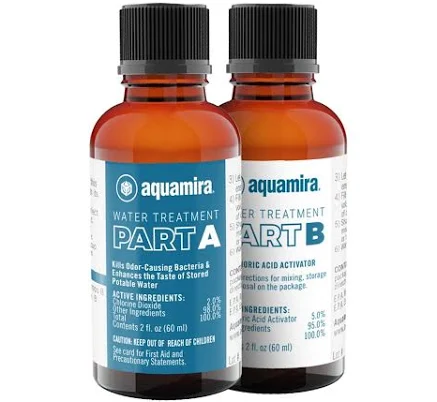
- glass bottles, sodium dichloroisocyanurate treatment chemical
- We found no PFAS statement from the brand
- Chemical overdose or misuse
5 hazards checked on this product, all on its full breakdown.

- Stainless steel housing and spigot
- We found no PFAS statement from the brand
- Bacterial growth and biofilm if filters not replaced
5 hazards checked on this product, all on its full breakdown.
- Borosilicate glass pitcher, replaceable activated-carbon filter cartridge
- Bacterial growth in filter cartridge if unmaintained
5 hazards checked on this product, all on its full breakdown.
More water filters grades
How we score, every product runs through the same public 0-100 rubric based on materials, coatings, brand disclosure, lab findings, and recalls. See the full methodology → Spotted a mistake? Report an error.