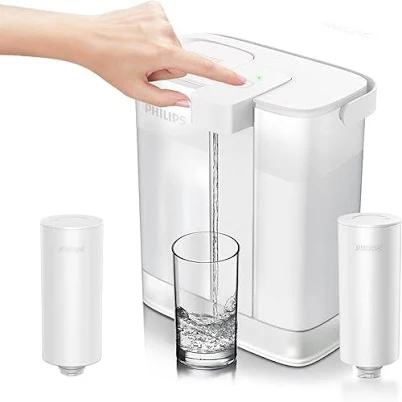
PHILIPS 20 Cup Water Filter Pitcher with 2 Plus Filter Cartridges (1 Original + 1 Replacement), 1 Plus Filter for 3 Months/60 Gallons, Reduces Lead &
Lower PFAS concern for standard carbon filter pitcher, no red flags identified.
Philips water filter pitchers use activated carbon cartridges, an established filtration technology with no known PFAS manufacturing concerns in typical consumer models. Philips makes no PFAS disclosures, which is standard for this category.
We flunk more products than we pass. This one earned its grade. How we grade
Material
Activated carbon filter cartridges (standard RO/carbon media)
Brand disclosure
Brand is silent on PFAS
Lab data
No public lab test
You may also be interested in
Top-graded picks in the categories readers replace first, every one scored on the same rubric.

- polypropylene filter housing, carbon/sediment cartridge
- We found no PFAS statement from the brand
- Bacterial growth in spent cartridges
3 hazards checked on this product, all on its full breakdown.

Aquasure
Premier Series 75 GPD Under Sink Reverse Osmosis Water Filtration System
- RO membrane, carbon filters, stainless steel housing
- We found no PFAS statement from the brand
- Bacterial and microbial growth in housing and filters
4 hazards checked on this product, all on its full breakdown.

Avocado
Vegan Mattress
- organic cotton, natural latex, coconut coir, recycled steel coils
- The brand calls it PFAS-free, which we have not verified
- Heavy metals
2 hazards checked on this product, all on its full breakdown.
What PHILIPS 20 Cup Water Filter Reduces Lead is made of, ingredients and materials
This pitcher uses activated carbon filter cartridges, the industry standard for household water filtration. Activated carbon works by adsorption, trapping contaminants like chlorine, some heavy metals (notably lead), and organic compounds in a porous carbon matrix. The pitcher housing is typically BPA-free polypropylene or similar food-contact plastic, which is chemically inert under normal cold-water storage conditions and does not leach into water at rest.
What’s concerning
No PFAS disclosure
No public statement from the brand about PFAS in this product.
Bacterial growth in exhausted filter media
Activated carbon, once saturated, can harbor microbial biofilm if the filter is not replaced on schedule. This is a maintenance issue, not a manufacturing defect, and is mitigated by adhering to the 60-gallon/3-month replacement interval.
Filter media migration into drinking water
Activated carbon particles can occasionally escape through worn or damaged cartridge seals, particularly if the filter is overpressurized or used beyond its rated capacity. Inspect filter seals and cartridge integrity before each refill.
Incomplete contaminant removal claims
Standard carbon pitchers, including this model, reduce chlorine and some heavy metals effectively but do NOT reliably remove PFAS, nitrates, fluoride, or microplastics. Marketing claims of lead reduction are valid for some lead compounds, but performance depends on water chemistry and filter age. Review the product's specific NSF certifications (if any) to confirm claimed reductions.
What’s reassuring
Base material not linked to PFAS
The main material recorded for this product is not one associated with PFAS.
BPA & bisphenols
Philips pitcher housings are typically manufactured from food-grade polypropylene, which does not contain BPA or phthalates by design. No leaching into cold water has been reported for this product line.
Source, FDA ↗Heavy metals
No lead, cadmium, or other heavy metals are known to be present in modern Philips filter pitcher housings. The product is designed for cold-water storage only and carries no risk of leaching from the pitcher itself.
Source, FDA ↗How is this PFAS grade calculated?
The brand's record and disclosure
Philips does not publicly emphasize PFAS removal in marketing for this product line, which is typical for basic carbon pitchers since PFAS removal requires specialized media (e.g., ion exchange resins). No significant product safety recalls or third-party testing disputes are on record for Philips water filter pitchers. The brand maintains general NSF/WQA certification pathways for some filtration products, though specific certifications for this model should be verified on product packaging or the manufacturer website.
How it compares in its category
Carbon pitchers are among the lowest-cost and lowest-maintenance water filtration options; this Philips model is competitively positioned. Unlike under-sink or whole-house systems, pitchers carry no installation risk and no contact with copper or lead solder in plumbing. The tradeoff is that filter lifespan (60 gallons claimed) is shorter than cartridge systems, making replacement frequency and cost a practical consideration.
If you buy it
Replace filter cartridges on schedule (every 60 gallons or 2, 3 months for typical household use) to prevent bacterial biofilm buildup inside exhausted carbon media, which is the primary hygiene risk with pitcher filters. Rinse the pitcher housing with clean water before first use and periodically during storage. Do not expose the pitcher to direct sunlight or heat sources, which can degrade the plastic. Refill immediately after filtering to minimize standing water time between uses.
What is not known about PFAS in this product?
- Basis
- Model estimate, 72% confidence, not a lab result
- Lab test
- None on record for this exact product
- Brand statement
- Philips has made none
Formulations change between production runs, so check the current label. How we grade.
What are the PFAS-free alternatives to PHILIPS 20 Cup Water Filter Pitcher with 2 Plus Filter Cartridges (1 Original + 1 Replacement), 1 Plus Filter for 3 Months/60 Gallons, Reduces Lead &?
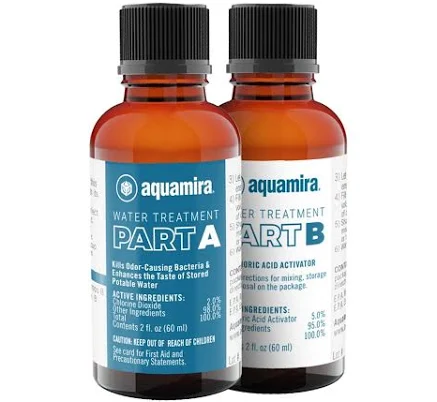
- glass bottles, sodium dichloroisocyanurate treatment chemical
- We found no PFAS statement from the brand
- Chemical overdose or misuse
5 hazards checked on this product, all on its full breakdown.

- Stainless steel housing and spigot
- We found no PFAS statement from the brand
- Bacterial growth and biofilm if filters not replaced
5 hazards checked on this product, all on its full breakdown.
- Borosilicate glass pitcher, replaceable activated-carbon filter cartridge
- Bacterial growth in filter cartridge if unmaintained
5 hazards checked on this product, all on its full breakdown.
More water filters grades
How we score, every product runs through the same public 0-100 rubric based on materials, coatings, brand disclosure, lab findings, and recalls. See the full methodology → Spotted a mistake? Report an error.