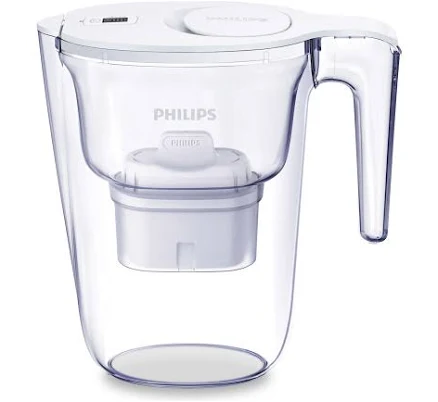
Philips AWP2933WHT/58
Lower-concern water filter using standard carbon technology, no PFAS red flags.
The Philips AWP2933WHT/58 uses activated carbon filtration, a material class with lower inherent PFAS risk compared to Teflon-family coating coatings. Philips does not publicly disclose PFAS testing or claim PFAS-free status.
We flunk more products than we pass. This one earned its grade. How we grade
Material
Carbon/activated carbon filtration media
Brand disclosure
Brand is silent on PFAS
Lab data
No public lab test
You may also be interested in
Top-graded picks in the categories readers replace first, every one scored on the same rubric.

- polypropylene filter housing, carbon/sediment cartridge
- We found no PFAS statement from the brand
- Bacterial growth in spent cartridges
3 hazards checked on this product, all on its full breakdown.

Aquasure
Premier Series 75 GPD Under Sink Reverse Osmosis Water Filtration System
- RO membrane, carbon filters, stainless steel housing
- We found no PFAS statement from the brand
- Bacterial and microbial growth in housing and filters
4 hazards checked on this product, all on its full breakdown.

Avocado
Vegan Mattress
- organic cotton, natural latex, coconut coir, recycled steel coils
- The brand calls it PFAS-free, which we have not verified
- Heavy metals
2 hazards checked on this product, all on its full breakdown.
What Philips AWP2933WHT/58 is made of, ingredients and materials
The AWP2933 uses activated carbon filtration media, a well-established technology that adsorbs chlorine, taste, and odor compounds through porous carbon structure. Activated carbon does not leach hazardous compounds into water under normal use because it works through physical adsorption, not chemical release. The filter housing is plastic; Philips does not publicly disclose material composition, but standard water filter housings in this price tier typically use food-grade polypropylene (PP) or polyethersulfone (PES), both of which are stable at cold water temperatures.
What’s concerning
No PFAS disclosure
No public statement from the brand about PFAS in this product.
Bacterial/microbial growth in filter cartridge
If cartridge is not replaced on schedule or water stagnates in the pitcher, carbon media can support bacterial colonies. Activated carbon itself does not kill microbes; it only removes chemicals. This is a maintenance issue, not a Philips-specific defect.
Microplastics
Activated carbon cartridges can shed fine particles if damaged, compressed, or over-aged. Risk is low under normal use but increases if the cartridge is dropped or inserted improperly. No field reports specific to this model.
Source, EPA ↗Inadequate contaminant removal claims
Philips does not claim to remove bacteria, viruses, fluoride, or heavy metals with this model; the filter is certified for chlorine and taste reduction only. Consumers sometimes misinterpret pitcher filter capability. This is a disclosure issue, not a safety defect.
Housing material unknown/undisclosed
Philips does not publish material safety data or housing composition for the AWP2933. While this does not indicate a hazard, lack of transparency prevents verification of plastic type, aging resistance, and compliance with drinking water standards in all jurisdictions.
What’s reassuring
Base material not linked to PFAS
The main material recorded for this product is not one associated with PFAS.
Leaching from plastic housing (polypropylene or similar)
No documented cases of harmful leaching from standard food-grade plastics used in water filter pitchers at cold temperatures. BPA and BPS are not typically found in modern pitcher housings, but Philips does not publicly confirm material type for this model.
How is this PFAS grade calculated?
The brand's record and disclosure
Philips has ISO 9001 and NSF certification for some water filter products, indicating third-party testing for contaminant reduction claims. However, Philips maintains silence on PFAS removal capability and does not publish detailed safety data sheets or housing material specifications for this consumer model. No recalls or safety controversies are on record for the AWP2933 line. The brand's transparency around water filter chemistry is below industry leaders like Brita and Aqua Tru, which provide more granular disclosure.
How it compares in its category
Pitcher-style carbon filters like this one are entry-level and rely entirely on activated carbon; they do not remove bacteria, viruses, heavy metals beyond what carbon naturally adsorbs, or fluoride. This is typical for the category and not a Philips-specific weakness. Compared to under-sink or faucet-mounted filters, pitcher models offer no advantage in longevity or performance per dollar. They are comparable in safety profile to Brita and PUR models, all of which use similar carbon technology.
If you buy it
Replace the filter cartridge every 2-3 months or per manufacturer guidance; stagnant water in unmaintained filters can allow bacterial regrowth. Store in a cool, dry place; do not expose the pitcher housing to direct sunlight or heat above 50C, as this can degrade plastic integrity. Inspect the housing seams and filter seat regularly for cracks or degradation. If water sits in the pitcher longer than 24 hours, discard and refill rather than drink.
What is not known about PFAS in this product?
- Basis
- Model estimate, 72% confidence, not a lab result
- Lab test
- None on record for this exact product
- Brand statement
- Philips has made none
Formulations change between production runs, so check the current label. How we grade.
What are the PFAS-free alternatives to Philips AWP2933WHT/58?
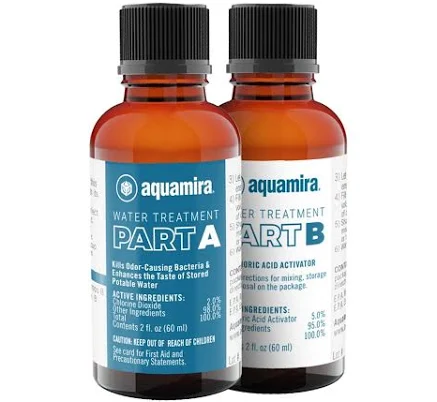
- glass bottles, sodium dichloroisocyanurate treatment chemical
- We found no PFAS statement from the brand
- Chemical overdose or misuse
5 hazards checked on this product, all on its full breakdown.

- Stainless steel housing and spigot
- We found no PFAS statement from the brand
- Bacterial growth and biofilm if filters not replaced
5 hazards checked on this product, all on its full breakdown.
- Borosilicate glass pitcher, replaceable activated-carbon filter cartridge
- Bacterial growth in filter cartridge if unmaintained
5 hazards checked on this product, all on its full breakdown.
More water filters grades
How we score, every product runs through the same public 0-100 rubric based on materials, coatings, brand disclosure, lab findings, and recalls. See the full methodology → Spotted a mistake? Report an error.