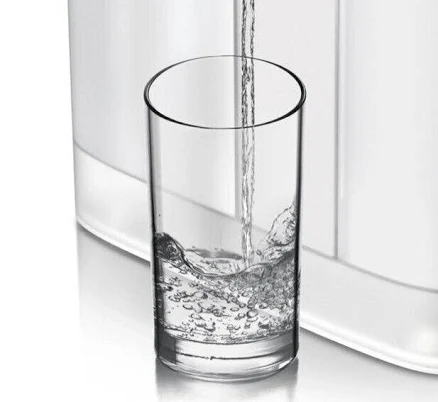
Philips Gozero Next-gen Instant Water Filter Pitcher, Rechargeable
Lower concern for PFAS, but Philips makes no public commitment.
This pitcher uses activated carbon and ion-exchange resin, materials that don't inherently contain PFAS. Philips hasn't publicly shared PFAS testing, sourcing practices, or how well it removes PFAS from water.
We flunk more products than we pass. This one earned its grade. How we grade
Material
Pitcher body (likely plastic/BPA-free polymer); filter media (activated carbon, ion-exchange resin)
Brand disclosure
Brand is silent on PFAS
Lab data
No public lab test
You may also be interested in
Top-graded picks in the categories readers replace first, every one scored on the same rubric.

- polypropylene filter housing, carbon/sediment cartridge
- We found no PFAS statement from the brand
- Bacterial growth in spent cartridges
3 hazards checked on this product, all on its full breakdown.

Aquasure
Premier Series 75 GPD Under Sink Reverse Osmosis Water Filtration System
- RO membrane, carbon filters, stainless steel housing
- We found no PFAS statement from the brand
- Bacterial and microbial growth in housing and filters
4 hazards checked on this product, all on its full breakdown.

Avocado
Vegan Mattress
- organic cotton, natural latex, coconut coir, recycled steel coils
- The brand calls it PFAS-free, which we have not verified
- Heavy metals
2 hazards checked on this product, all on its full breakdown.
What Philips Gozero Next-gen Rechargeable is made of, ingredients and materials
The Gozero pitcher body is constructed from a polymer plastic (marketed as BPA-free, likely polypropylene or similar food-grade thermoplastic). The filter cartridge contains activated carbon (to adsorb chlorine, taste, odor) and ion-exchange resin (to reduce hardness minerals and some contaminants). Neither material typically leaches hazardous chemicals into water at room temperature, provided the pitcher is used as designed. The rechargeable electronic component (indicator or pump motor, if present) is a potential weak point for plastic degradation or leachate over years, though Philips does not publish specific materials for that module.
What’s concerning
No PFAS disclosure
No public statement from the brand about PFAS in this product.
Bacterial colonization in filter media
All carbon-resin pitcher filters risk biofilm growth if cartridges are not replaced on schedule or if the pitcher sits idle for extended periods. Philips provides no data on cartridge lifespan or microbial testing, so user compliance is critical.
Rechargeable indicator or electronic component degradation
If the Gozero includes an electronic indicator or pump, corrosion or leakage of internal circuitry materials into the water chamber is a theoretical risk over years of use. Philips provides no materials transparency for this module, and no field failures have been publicly reported.
Inadequate contaminant reduction if filter is not certified
The Gozero pitcher is not advertised with NSF or WQA certification for specific contaminant reduction claims (e.g., lead, chlorine, microbial cysts). Without third-party testing data, actual effectiveness is unclear; users should not rely on it as a sole remedy for contaminated water.
What’s reassuring
Base material not linked to PFAS
The main material recorded for this product is not one associated with PFAS.
Plastic housing leachate at elevated temperature
The pitcher polymer is food-grade and non-toxic under normal use. However, Philips does not publish the specific polymer type, making independent assessment of heat-tolerance limits impossible. Exposing the pitcher to high temperatures risks minor leaching of plastic additives.
Ion-exchange resin particle shedding
High-quality ion-exchange resins do not shed particles into water under normal use. Philips does not disclose resin grade or particle-size testing, so independent verification is unavailable. Damage to the cartridge housing (e.g., crushing) could theoretically increase shedding risk.
How is this PFAS grade calculated?
The brand's record and disclosure
Philips publishes minimal detailed chemical or material safety data for this specific product; no third-party certifications (NSF, WQA) are advertised in available product literature. The company has not issued a public PFAS commitment or transparency report specific to water filtration products, which is a gap relative to competitors like Brita and PUR. No recalls or contamination incidents have been reported in public databases for the Gozero pitcher line. Philips maintains general product safety compliance but does not lead in filtration-specific transparency.
How it compares in its category
Pitcher-based carbon filters have lower concern for volatile off-gassing because they do not heat water, and use filter media not linked to PFAS. The Gozero's rechargeable indicator is a convenience feature but not a safety advantage; standard gravity pitchers (Brita, PUR) have media with similar concern profiles. The rechargeable component adds complexity that could, in theory, harbor bacteria or corrode if mishandled, but this is not a known issue. Overall, the Gozero sits in the mainstream safety tier for pitcher filters, neither leading nor lagging peer products.
If you buy it
Replace the filter cartridge every 2-3 months or per manufacturer guidance to prevent bacterial biofilm growth inside the used filter; standing water and carbon create ideal growth conditions. Store the pitcher at room temperature and never expose it to direct sunlight or temperatures above 45°C, which can degrade plastic or accelerate resin breakdown. Do not boil water in the pitcher or use it for hot water; the plastic housing is not designed for thermal stress. Rinse the pitcher thoroughly with tap water every 1-2 weeks and allow it to air dry to minimize stagnation between filter changes.
What is not known about PFAS in this product?
- Basis
- Model estimate, 62% confidence, not a lab result
- Lab test
- None on record for this exact product
- Brand statement
- Philips has made none
Formulations change between production runs, so check the current label. How we grade.
What are the PFAS-free alternatives to Philips Gozero Next-gen Instant Water Filter Pitcher, Rechargeable?
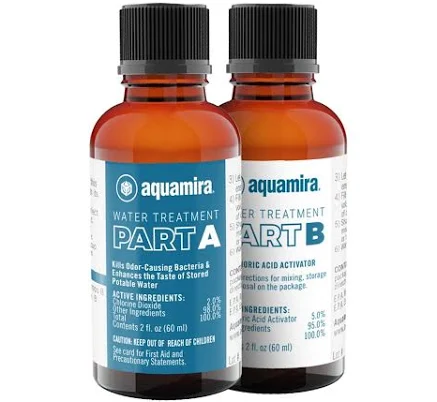
- glass bottles, sodium dichloroisocyanurate treatment chemical
- We found no PFAS statement from the brand
- Chemical overdose or misuse
5 hazards checked on this product, all on its full breakdown.

- Stainless steel housing and spigot
- We found no PFAS statement from the brand
- Bacterial growth and biofilm if filters not replaced
5 hazards checked on this product, all on its full breakdown.
- Borosilicate glass pitcher, replaceable activated-carbon filter cartridge
- Bacterial growth in filter cartridge if unmaintained
5 hazards checked on this product, all on its full breakdown.
More water filters grades
How we score, every product runs through the same public 0-100 rubric based on materials, coatings, brand disclosure, lab findings, and recalls. See the full methodology → Spotted a mistake? Report an error.