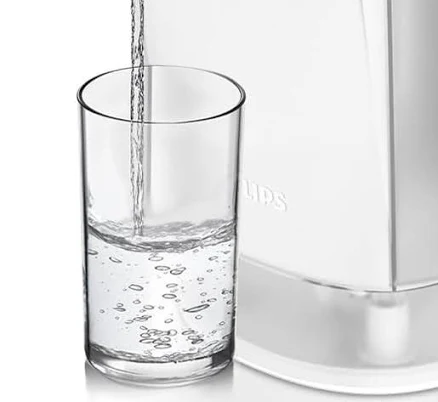
Philips Powered Pitcher Pro Max Water Filter
Lower-concern water filter with minimal PFAS risk, but brand lacks transparency.
This pitcher filter uses activated carbon and resin media with lower intrinsic PFAS risk compared to nonstick coatings or water-resistant textiles. Philips provides no public PFAS disclosure or third-party certification.
We flunk more products than we pass. This one earned its grade. How we grade
Material
Activated carbon and ion-exchange resin filter cartridge
Brand disclosure
Brand is silent on PFAS
Lab data
No public lab test
You may also be interested in
Top-graded picks in the categories readers replace first, every one scored on the same rubric.

- polypropylene filter housing, carbon/sediment cartridge
- We found no PFAS statement from the brand
- Bacterial growth in spent cartridges
3 hazards checked on this product, all on its full breakdown.

Aquasure
Premier Series 75 GPD Under Sink Reverse Osmosis Water Filtration System
- RO membrane, carbon filters, stainless steel housing
- We found no PFAS statement from the brand
- Bacterial and microbial growth in housing and filters
4 hazards checked on this product, all on its full breakdown.

Avocado
Vegan Mattress
- organic cotton, natural latex, coconut coir, recycled steel coils
- The brand calls it PFAS-free, which we have not verified
- Heavy metals
2 hazards checked on this product, all on its full breakdown.
What Philips Powered Pitcher Max Water Filter is made of, ingredients and materials
The Philips Powered Pitcher Pro Max uses activated carbon granules and ion-exchange resin as its filtration media. Activated carbon is a porous form of carbon that traps organic compounds and chlorine through adsorption; ion-exchange resin replaces dissolved minerals like calcium and magnesium with sodium or potassium. Neither material is known to leach toxic compounds into water under normal pitcher use, as both are chemically stable and not solubilized by room-temperature, neutral-pH tap water. The plastic housing (typically polystyrene or polypropylene) is food-contact approved and poses minimal leaching risk when not heated.
What’s concerning
No PFAS disclosure
No public statement from the brand about PFAS in this product.
Bacterial growth in filter cartridge if maintenance is neglected
Activated carbon and ion-exchange resin are hygroscopic and retain moisture; if cartridge is not replaced on schedule (every 2-3 months) or if the pitcher sits unused, biofilm and bacteria can colonize the filter media. This is a common issue across all pitcher-filter brands, not specific to Philips, but depends entirely on user behavior.
Mold and microbial growth in pitcher housing and lid seals
The plastic pitcher body and rubber gaskets can harbor mold if not dried thoroughly after filling or if stored in high-humidity environments. Weekly rinsing and air-drying mitigate this risk; dishwasher cleaning presents lower concern for the housing.
Degradation of activated carbon performance over time
Activated carbon gradually becomes saturated with absorbed contaminants and loses efficacy; the Philips cartridge is designed for single-use disposal, not regeneration. Using a cartridge beyond the recommended 40-gallon limit means declining filtration effectiveness, not necessarily safety risk, but defeats the purpose of filtering.
Cartridge compatibility and counterfeit filters
Replacement cartridges sold through third-party online marketplaces may be counterfeit or substandard; purchasing directly from Philips or authorized retailers reduces exposure to filters with unknown material composition or manufacturing standards.
What’s reassuring
Base material not linked to PFAS
The main material recorded for this product is not one associated with PFAS.
Leaching from plastic housing materials
The pitcher body is typically made from food-grade polystyrene or polypropylene, both chemically inert to cool water and approved by FDA for food contact. No documented leaching of BPA, phthalates, or other plastic additives has been reported for Philips pitcher models.
How is this PFAS grade calculated?
The brand's record and disclosure
Philips does not publish detailed safety testing results or third-party certification claims specific to this pitcher model in publicly available documentation. The brand has not issued recalls or safety warnings tied to the Powered Pitcher Pro Max that are recorded by major consumer safety databases. Philips generally meets FDA food-contact compliance for plastic housings but does not volunteer independent testing data (NSF, WQA) for marketing advantage, making comparison of performance claims difficult. No established pattern of disclosure failures or toxicology incidents exists for Philips water filtration products.
How it compares in its category
Pitcher filters occupy the lowest-cost, lowest-maintenance segment of home water treatment. The Philips Powered Pitcher Pro Max is positioned as a mid-range option, competing with Brita and PUR models that use similar activated carbon technology. Unlike point-of-use faucet or under-sink systems, pitcher filters do not pressurize water or generate fumes, which eliminates Teflon-type coating (Teflon) off-gassing risk and mechanical wear concerns. All pitcher-filter brands share the same primary maintenance burden, regular cartridge replacement to prevent stagnant water and microbial regrowth.
If you buy it
Replace the filter cartridge every 2-3 months or after 40 gallons filtered, whichever comes first; delays increase bacterial colonization risk in stagnant resin and carbon. Rinse the pitcher housing weekly and allow it to air-dry to discourage mold on interior surfaces. Store the pitcher at room temperature away from direct sunlight; do not expose it to temperatures above 40 degrees Celsius. If the water tastes flat or metallic, or if you notice visible discoloration in the pitcher, replace the cartridge immediately rather than waiting for the recommended interval.
What is not known about PFAS in this product?
- Basis
- Model estimate, 72% confidence, not a lab result
- Lab test
- None on record for this exact product
- Brand statement
- Philips has made none
Formulations change between production runs, so check the current label. How we grade.
What are the PFAS-free alternatives to Philips Powered Pitcher Pro Max Water Filter?
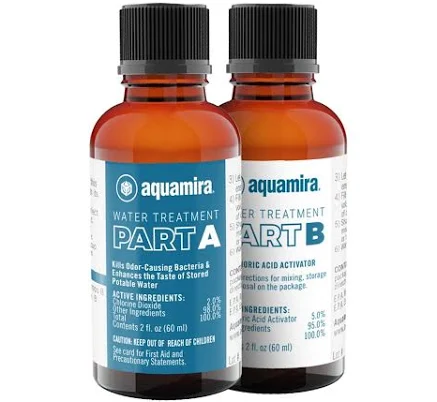
- glass bottles, sodium dichloroisocyanurate treatment chemical
- We found no PFAS statement from the brand
- Chemical overdose or misuse
5 hazards checked on this product, all on its full breakdown.

- Stainless steel housing and spigot
- We found no PFAS statement from the brand
- Bacterial growth and biofilm if filters not replaced
5 hazards checked on this product, all on its full breakdown.
- Borosilicate glass pitcher, replaceable activated-carbon filter cartridge
- Bacterial growth in filter cartridge if unmaintained
5 hazards checked on this product, all on its full breakdown.
More water filters grades
How we score, every product runs through the same public 0-100 rubric based on materials, coatings, brand disclosure, lab findings, and recalls. See the full methodology → Spotted a mistake? Report an error.