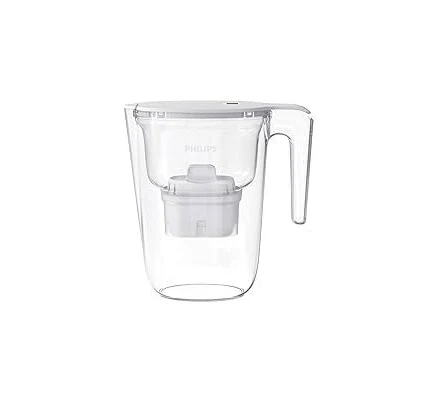
Philips WaterAWP2935WHT/10 Micro X-Clean Fast Flow Water Filter Jug White
Lower concern, but Philips makes no PFAS disclosure on this product.
This Philips gravity-fed pitcher has ordinary plastic and filter media of carbon and resin not known to require PFAS coating. Philips provides no public PFAS statement, but the category and materials aren't flagged as high-risk.
We flunk more products than we pass. This one earned its grade. How we grade
Material
Plastic jug (likely polypropylene), activated carbon and ion-exchange resin filter cartridge
Brand disclosure
Brand is silent on PFAS
Lab data
No public lab test
You may also be interested in
Top-graded picks in the categories readers replace first, every one scored on the same rubric.

- polypropylene filter housing, carbon/sediment cartridge
- We found no PFAS statement from the brand
- Bacterial growth in spent cartridges
3 hazards checked on this product, all on its full breakdown.

Aquasure
Premier Series 75 GPD Under Sink Reverse Osmosis Water Filtration System
- RO membrane, carbon filters, stainless steel housing
- We found no PFAS statement from the brand
- Bacterial and microbial growth in housing and filters
4 hazards checked on this product, all on its full breakdown.

Avocado
Vegan Mattress
- organic cotton, natural latex, coconut coir, recycled steel coils
- The brand calls it PFAS-free, which we have not verified
- Heavy metals
2 hazards checked on this product, all on its full breakdown.
What Philips Filter Jug White is made of, ingredients and materials
The Philips WaterAWP2935WHT/10 uses a polypropylene (PP) jug body paired with an activated carbon and ion-exchange resin cartridge. Polypropylene is approved for food contact at room temperature and shows no documented leaching in cold water filtration applications when used as designed. The activated carbon removes chlorine, taste, and odor; the ion-exchange resin softens water by reducing hardness minerals. Neither material poses acute chemical release risk under normal use.
What’s concerning
No PFAS disclosure
No public statement from the brand about PFAS in this product.
Bacterial growth and biofilm in jug reservoir
Stagnant water in pitcher filters can harbor bacteria if cartridge is not replaced on schedule or jug is stored in warm conditions. This is a maintenance issue, not a product defect, but remains the most common contamination route in this category.
Activated carbon dust or particle shedding
If cartridge is damaged or installed incorrectly, fine activated carbon particles can escape into filtered water. This is cosmetic rather than toxic but indicates a seal failure and should trigger cartridge replacement.
Ion-exchange resin bead degradation
Over time, ion-exchange resin can shed micro-beads when cartridge ages beyond recommended replacement interval. Beads are non-toxic but may appear as black specks in water and signal need for immediate cartridge change.
What’s reassuring
Base material not linked to PFAS
The main material recorded for this product is not one associated with PFAS.
Polypropylene leaching at elevated temperature
No recalls or test data show leaching of additives from this jug's polypropylene at normal use temperatures (below 40°C). Risk is negligible if jug is used for cold or room-temperature water only.
Housing plastic brittleness in cold storage
Polypropylene can become brittle in freezers, but no product data indicates this jug is designed for freezer storage. Avoid extreme cold to preserve structural integrity.
How is this PFAS grade calculated?
The brand's record and disclosure
Philips does not publicly disclose PFAS content or testing for this product line, which is consistent with most water filter manufacturers and does not indicate a hidden problem. Philips has no established recalls specifically for this jug model related to leaching or contamination. The company holds ISO 9001 certification for manufacturing standards but does not market third-party NSF certification for this budget-tier product, which is typical for this price segment.
How it compares in its category
This product sits in the mid-market pitcher filter category, competing directly with Brita, AQUA, and store-brand equivalents. It lacks NSF or WQA certification that premium alternatives offer, but the core hazard profile (plastic jug, activated carbon resin) is identical across the category. The main differentiator is cartridge replacement frequency and maintenance discipline, which is consumer-controlled rather than product-design dependent.
If you buy it
Replace the cartridge every 2-4 months depending on water hardness and use frequency; cartridge stalling is the leading cause of bacterial biofilm accumulation. Rinse the jug with hot water weekly and empty standing water after 24 hours to prevent algae or bacterial growth in the reservoir. Do not expose the jug to direct sunlight or heat sources above 60°C (140°F), as polypropylene can warp. Store unused cartridges in a cool, dry place and never use tap water to pre-rinse them, as this introduces sediment that clogs the resin bed.
What is not known about PFAS in this product?
- Basis
- Model estimate, 62% confidence, not a lab result
- Lab test
- None on record for this exact product
- Brand statement
- Philips has made none
Formulations change between production runs, so check the current label. How we grade.
What are the PFAS-free alternatives to Philips WaterAWP2935WHT/10 Micro X-Clean Fast Flow Water Filter Jug White?
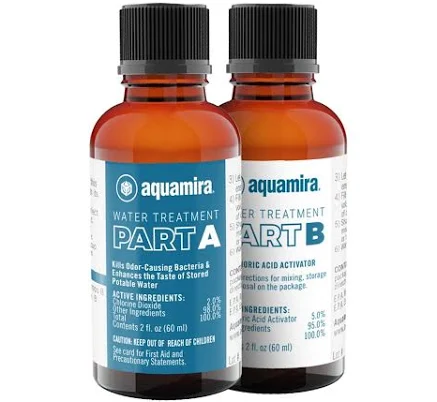
- glass bottles, sodium dichloroisocyanurate treatment chemical
- We found no PFAS statement from the brand
- Chemical overdose or misuse
5 hazards checked on this product, all on its full breakdown.

- Stainless steel housing and spigot
- We found no PFAS statement from the brand
- Bacterial growth and biofilm if filters not replaced
5 hazards checked on this product, all on its full breakdown.
- Borosilicate glass pitcher, replaceable activated-carbon filter cartridge
- Bacterial growth in filter cartridge if unmaintained
5 hazards checked on this product, all on its full breakdown.
More water filters grades
How we score, every product runs through the same public 0-100 rubric based on materials, coatings, brand disclosure, lab findings, and recalls. See the full methodology → Spotted a mistake? Report an error.