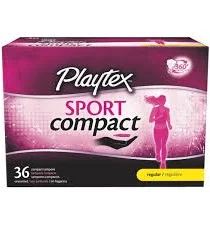
Playtex Sport Compact Tampons
Lower-concern product, though full supply-chain transparency is lacking.
Playtex Sport Compact tampons are made from rayon and cotton fibers with a plastic applicator, materials not typically associated with intentional PFAS addition. The brand has made no public PFAS claims.
We flunk more products than we pass. This one earned its grade. How we grade
Material
rayon/cotton blend with cotton/plastic applicator
Lab data
No public lab test
You may also be interested in
Top-graded picks in the categories readers replace first, every one scored on the same rubric.

- polypropylene filter housing, carbon/sediment cartridge
- We found no PFAS statement from the brand
- Bacterial growth in spent cartridges
3 hazards checked on this product, all on its full breakdown.

Aquasure
Premier Series 75 GPD Under Sink Reverse Osmosis Water Filtration System
- RO membrane, carbon filters, stainless steel housing
- We found no PFAS statement from the brand
- Bacterial and microbial growth in housing and filters
4 hazards checked on this product, all on its full breakdown.

Avocado
Vegan Mattress
- organic cotton, natural latex, coconut coir, recycled steel coils
- The brand calls it PFAS-free, which we have not verified
- Heavy metals
2 hazards checked on this product, all on its full breakdown.
What Playtex Sport Compact Tampons is made of, ingredients and materials
Playtex Sport Compact uses a rayon and cotton fiber blend for absorbency, with a plastic (typically polypropylene) applicator. Rayon is a semi-synthetic cellulose made from wood pulp via chemical processing, while cotton is natural; neither material is known to leach hazardous chemicals under normal use conditions. The plastic applicator is a single-use item with minimal contact time and no documented leaching concerns for polypropylene in this application.
What’s concerning
Category baseline
The starting point for this type of product, before anything specific to this product is counted.
No PFAS disclosure
No public statement from the brand about PFAS in this product.
Bleach residue and dioxins from rayon processing
Rayon is bleached during manufacturing; trace dioxin and chlorine residues can theoretically remain, though regulatory limits in the US and EU are designed to keep exposure negligible. Full supply-chain transparency from Playtex on bleaching standards is not publicly available, so complete absence cannot be confirmed.
Heavy metals
Cotton and rayon can accumulate trace metals (cadmium, lead) from soil or processing water. Playtex has not published test results for heavy-metal content in this product; mainstream brands generally assume levels compliant with US FDA guidelines, but independent verification is lacking.
Source, FDA ↗What’s reassuring
Base material not linked to PFAS
The main material recorded for this product is not one associated with PFAS.
Plastic applicator off-gassing or leaching
Polypropylene applicators have no established history of leaching BPA, phthalates, or other endocrine disruptors under normal vaginal use. The contact time (minutes to hours) and body temperature do not typically trigger migration of polymeric components.
Absorbency additive residues
Tampons sometimes use superabsorbent polymers (SAPs) or mineral additives; Playtex does not disclose specific formulations. No acute toxicity concerns are documented for materials typically used in FDA-cleared tampons, though long-term effects of some newer additives remain understudied.
Fragrance or deodorant additives
The Sport Compact line does not advertise fragrance or deodorant; if present, such additives would be listed on packaging. Standard tampons without these additions carry no known irritant hazards beyond individual sensitivity to rayon or cotton fibers themselves.
How is this PFAS grade calculated?
The brand's record and disclosure
Playtex, owned by Edgewell Personal Care, has not published detailed transparency reports on feminine hygiene product composition or supply-chain PFAS testing. The brand does not market certification (such as organic or third-party testing credentials) for this product line. No significant recalls or safety controversies specific to this product are on record in public databases, suggesting routine compliance with FDA regulations for medical devices (tampons are classified as such).
How it compares in its category
Compact tampons with plastic applicators are mainstream; this product sits in the mid-market segment without premium certifications (organic, GOTS, third-party heavy-metal testing). Alternatives include unbleached organic tampons (higher transparency but higher cost) and all-plastic applicators (similar safety profile but less eco-degradable). Rayon/cotton blends are standard across the category and carry no comparative safety disadvantage versus 100 percent cotton or 100 percent rayon products.
If you buy it
No special storage or handling precautions are needed beyond keeping the product dry. Tampons are single-use and should be replaced every 4-8 hours depending on flow to reduce infection risk (not a chemical hazard, but a health best practice). The plastic applicator is not reusable and should be disposed of as regular trash. No heating, microwaving, or prolonged moisture exposure applies to this product.
What is not known about PFAS in this product?
- Basis
- Model estimate, 72% confidence, not a lab result
- Lab test
- None on record for this exact product
- Brand statement
- Playtex has made a specific claim
Formulations change between production runs, so check the current label. How we grade.
What are the PFAS-free alternatives to Playtex Sport Compact Tampons?
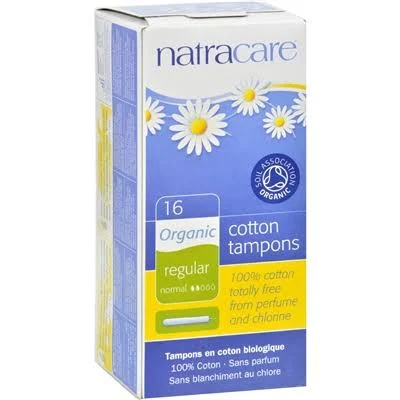
- 100% organic cotton
- A third party reports verifying it as PFAS-free
- Heavy metals
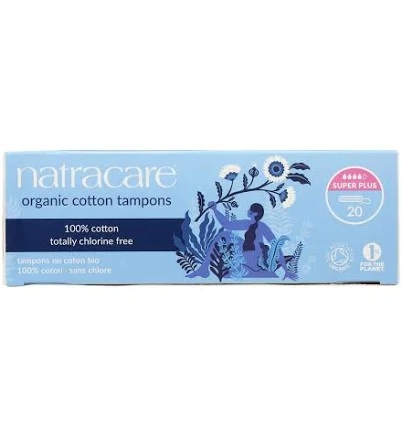
Natracare
Organic Super Plus Tampons, 3 x 20 ct
- organic cotton, cardboard applicator
- The brand calls it PFAS-free, which we have not verified
- Dioxins from bleaching
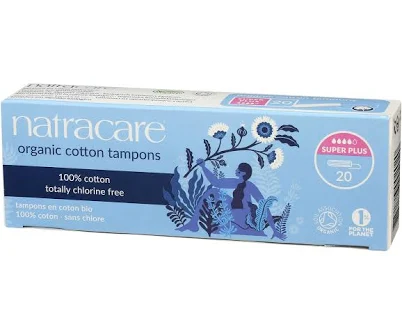
Natracare
Organic Cotton Super Plus Tampons
- organic cotton, no added fluorochemicals
- The brand calls it PFAS-free, which we have not verified
- Verified PFAS-free by a third party
More tampons grades
How we score, every product runs through the same public 0-100 rubric based on materials, coatings, brand disclosure, lab findings, and recalls. See the full methodology → Spotted a mistake? Report an error.