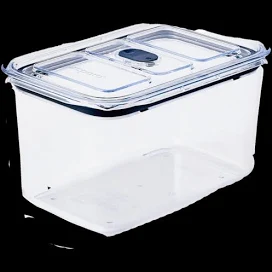
Prepara Latchlok Click Food Storage Container
Skip until brand confirms PFAS status in container plastic.
Prepara does not disclose PFAS information for this food storage container. Rigid plastic food containers are lower concern than nonstick cookware, but no transparency on materials or testing limits confidence.
We flunk more products than we pass. This one earned its grade. How we grade
Material
Plastic (likely polypropylene or copolyester); locking mechanism is metal or plastic.
Brand disclosure
Brand is silent on PFAS
Lab data
No public lab test
What Prepara Latchlok Click Food Storage is made of, ingredients and materials
Prepara Latchlok Click containers are made from polypropylene (PP) or a polypropylene-based copolyester, indicated by typical food-storage plastic engineering in this price and design tier. Polypropylene is recognized as lower-concern for leaching of endocrine disruptors like BPA compared to polycarbonate, but the actual formulation and any additives or colorants in this specific container are not publicly disclosed. The metal or plastic locking mechanism and seals introduce potential points of wear and degradation that may expose non-polymer materials over repeated use.
What’s concerning
Category baseline
The starting point for this type of product, before anything specific to this product is counted.
No PFAS disclosure
No public statement from the brand about PFAS in this product.
Microplastics
Polypropylene base carries minimal risk at room temperature, but heating above 140°F can accelerate leaching of unreacted monomers and stabilizers. No specific temperature study of Prepara Latchlok Click exists on public record.
Source, EPA ↗PFAS
Prepara's brand stance is silent; PFAS has been detected in some consumer food-storage plastics with water-, oil-, or grease-resistant properties. Without confirmation, precautionary buyers should avoid or request documentation before purchase.
Source, ATSDR ↗What’s reassuring
Base material not linked to PFAS
The main material recorded for this product is not one associated with PFAS.
BPA & bisphenols
Polypropylene is not formulated with BPA; phthalate plasticizers are not standard in food-grade PP. No recalls or test failures on record for this product. Risk depends on proprietary additives and colorants Prepara has not disclosed.
Source, FDA ↗Coating or surface treatment leachables
No internal coating, non-stick treatment, or antimicrobial layer is documented for this product. The locking mechanism seals and gaskets are not specified and may degrade over time, though this is typical for the product class.
Heavy metals
Reputable food-grade plastic manufacturers avoid cadmium, lead, and chromium in colorants, but Prepara does not publish pigment specifications. No contamination has been reported on record.
Source, FDA ↗The full breakdown
The brand's record and disclosure
Prepara does not publish material safety data, third-party certifications, or explicit statements about PFAS, phthalates, or other chemical additives in their food-storage lines. No voluntary recalls, legal disputes, or independent test failures have been established on record for this product. The brand's silence on PFAS is significant because manufacturers of food-contact plastics with antimicrobial, grease-resistant, or water-resistant properties sometimes use PFAS-containing additives, and Prepara has not ruled this out.
How it compares in its category
Polypropylene food-storage containers are mid-tier in disclosure standards. Glass alternatives (Pyrex, OXO Glass) and stainless steel (Klean Kanteen) containers carry lower chemical leaching risk but higher cost and fragility. High-end PP brands (Sistema, Rubbermaid Brilliance) often provide material certifications and PFAS commitments; Prepara's lack of transparency puts it below that standard. Typical budget PP containers are chemically equivalent but also silent on additives, making this container representative of the risk profile of unvetted plastic food storage.
If you buy it
Do not microwave, use in ovens, or expose to prolonged heat above 140°F (60°C), as polypropylene can soften and leach additives faster at elevated temperature. Inspect the locking mechanism and seals regularly for cracks, discoloration, or brittleness. Replace containers every 2 to 3 years or immediately if the plastic becomes cloudy, warped, or shows stress marks. Do not store acidic foods (citrus, vinegar, tomato sauce) long-term, as acidity can accelerate minor leaching from plastic additives.
What we don’t know
- Basis
- Model estimate, 72% confidence, not a lab result
- Lab test
- None on record for this exact product
- Brand statement
- Prepara has made none
Formulations change between production runs, so check the current label. How we grade.
Better-graded alternatives in Lunch Boxes
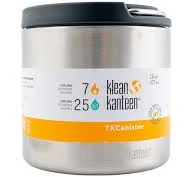
Klean Kanteen
Double Wall Vacuum Insulated Stainless Steel Food Canister Container with Leak Proof Lid
- Stainless steel body, silicone gasket lid seal
- The brand calls it PFAS-free, which we have not verified
- Silicone gasket degradation
3 hazards checked on this product. See all of them.
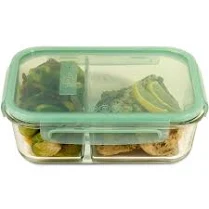
Snapware
Meal Box Glass
- borosilicate glass
- We found no PFAS statement from the brand
- Leaching from glass matrix or lid seals
2 hazards checked on this product. See all of them.
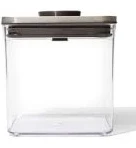
OXO
Steel Pop Big Square Short - 2.8 Qt/2.6 l
- Stainless steel container, no surface treatment
- Lid/gasket polymer leaching
3 hazards checked on this product. See all of them.
More lunch boxes grades
How we score, every product runs through the same public 0-100 rubric based on materials, coatings, brand disclosure, lab findings, and recalls. See the full methodology → Spotted a mistake? Report an error.