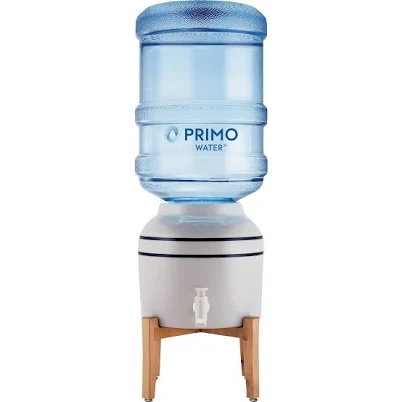
Primo 900114 Ceramic Bottled Water Cooler Dispenser
Ceramic tank lowers PFAS risk. No brand PFAS disclosure available.
Primo's ceramic bottled cooler uses inherently lower-PFAS materials like ceramic and stainless steel. Brand provides no specific PFAS claims or third-party verification for this model.
We flunk more products than we pass. This one earned its grade. How we grade
Material
Ceramic water tank, stainless steel housing
Brand disclosure
Brand is silent on PFAS
Lab data
No public lab test
You may also be interested in
Top-graded picks in the categories readers replace first, every one scored on the same rubric.

- polypropylene filter housing, carbon/sediment cartridge
- We found no PFAS statement from the brand
- Bacterial growth in spent cartridges
3 hazards checked on this product, all on its full breakdown.

Aquasure
Premier Series 75 GPD Under Sink Reverse Osmosis Water Filtration System
- RO membrane, carbon filters, stainless steel housing
- We found no PFAS statement from the brand
- Bacterial and microbial growth in housing and filters
4 hazards checked on this product, all on its full breakdown.

Avocado
Vegan Mattress
- organic cotton, natural latex, coconut coir, recycled steel coils
- The brand calls it PFAS-free, which we have not verified
- Heavy metals
2 hazards checked on this product, all on its full breakdown.
What Primo 900114 Ceramic Cooler Dispenser is made of, ingredients and materials
The Primo 900114 uses a ceramic water tank rather than plastic or metal, which eliminates concerns about BPA, phthalates, or aluminum leaching into stored water. Ceramic is chemically inert at room temperature and does not degrade or leach mineral contaminants over time. The stainless steel housing avoids plastic off-gassing (VOCs) that affects some cooler models. This material combination has lower concern for leaching in the bottled water cooler category.
What’s concerning
No PFAS disclosure
No public statement from the brand about PFAS in this product.
Bacterial biofilm growth in tank and tubing
All standing water coolers risk microbial colonization in internal lines between bottle refills. Ceramic surfaces are not antibacterial; biofilm forms identically as in plastic or stainless models. Risk increases if water sits unused for over 1 week.
Gasket or seal degradation over time
Rubber or silicone gaskets between the tank, dispensing mechanism, and housing can degrade after 3-5 years of use, allowing slow water seepage or stagnation pockets. This is a maintenance issue, not material toxicity, but affects water quality.
Contamination from bottled water supply chain
The safety of water in the cooler depends entirely on the bottled water source. Primo and other cooler brands do not control upstream bottling plant practices. PFAS and other contaminants in bottled water are a documented industry problem independent of cooler design.
Mold or mildew in drip tray
The removable drip tray can accumulate standing water and organic debris, creating a mold reservoir. This is a design feature issue, not material toxicity, but poses indoor air quality and hygiene concerns if not cleaned monthly.
What’s reassuring
Base material not linked to PFAS
The main material recorded for this product is not one associated with PFAS.
Lead
No recalls or test data published for Primo 900114 ceramic tanks specifically. If ceramic coating is food-grade or NSF-certified, heavy metal leaching risk is minimal at room temperature in pure water. Brand has not disclosed glaze composition or testing.
Source, ATSDR ↗How is this PFAS grade calculated?
The brand's record and disclosure
Primo Water has no public disclosure of PFAS testing, sources, or remediation steps for this model, which is typical industry silence on the issue. The brand has not reported major recalls related to material leaching or bacterial contamination specific to the 900114. Primo is owned by Nestlé Waters and operates within standard bottled water industry compliance but does not lead on transparency around emerging contaminants or water quality assurance beyond basic NSF certification claims.
How it compares in its category
Ceramic tank coolers are less common than plastic or stainless steel alternatives. The ceramic design avoids plastic-related hazards but does not eliminate bacterial biofilm risk, which affects all standing water dispensers equally. Compared to point-of-use filters or pitcher systems, bottled coolers shift contamination risk from household water to the supply chain and cooler maintenance, not material composition. This model's ceramic tank is a relative advantage for material safety.
If you buy it
Replace water bottles every 2 weeks to minimize stagnation and bacterial growth in the tank and lines. Clean dispensing spouts weekly with a damp cloth; do not submerge the cooler. Request bottled water from a source that tests for bacterial and chemical contaminants, not just minerals. Have the cooler professionally serviced or deep-cleaned annually, as biofilm accumulation in internal lines is the primary health risk with this product type, independent of material.
What is not known about PFAS in this product?
- Basis
- Model estimate, 72% confidence, not a lab result
- Lab test
- None on record for this exact product
- Brand statement
- Primo Water has made none
Formulations change between production runs, so check the current label. How we grade.
What are the PFAS-free alternatives to Primo 900114 Ceramic Bottled Water Cooler Dispenser?
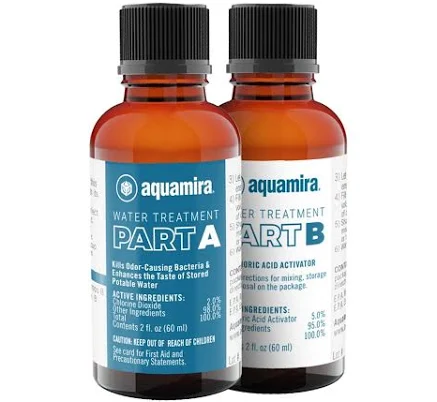
- glass bottles, sodium dichloroisocyanurate treatment chemical
- We found no PFAS statement from the brand
- Chemical overdose or misuse
5 hazards checked on this product, all on its full breakdown.

- Stainless steel housing and spigot
- We found no PFAS statement from the brand
- Bacterial growth and biofilm if filters not replaced
5 hazards checked on this product, all on its full breakdown.
- Borosilicate glass pitcher, replaceable activated-carbon filter cartridge
- Bacterial growth in filter cartridge if unmaintained
5 hazards checked on this product, all on its full breakdown.
More water filters grades
How we score, every product runs through the same public 0-100 rubric based on materials, coatings, brand disclosure, lab findings, and recalls. See the full methodology → Spotted a mistake? Report an error.