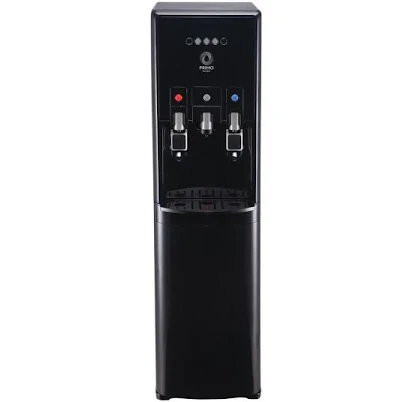
Primo Htrio Bottom Load Water Dispenser
Lower concern. Base materials are not linked to PFAS.
The stainless steel tank and carbon/sediment filters are not materials associated with PFAS. Primo Water has no PFAS statement on record for this product.
We flunk more products than we pass. This one earned its grade. How we grade
Material
Stainless steel tank, carbon/sediment filters
Brand disclosure
Brand is silent on PFAS
Lab data
No public lab test
You may also be interested in
Top-graded picks in the categories readers replace first, every one scored on the same rubric.

- polypropylene filter housing, carbon/sediment cartridge
- We found no PFAS statement from the brand
- Bacterial growth in spent cartridges
3 hazards checked on this product, all on its full breakdown.

Aquasure
Premier Series 75 GPD Under Sink Reverse Osmosis Water Filtration System
- RO membrane, carbon filters, stainless steel housing
- We found no PFAS statement from the brand
- Bacterial and microbial growth in housing and filters
4 hazards checked on this product, all on its full breakdown.

Avocado
Vegan Mattress
- organic cotton, natural latex, coconut coir, recycled steel coils
- The brand calls it PFAS-free, which we have not verified
- Heavy metals
2 hazards checked on this product, all on its full breakdown.
What Primo Htrio Bottom Load Water Dispenser is made of, ingredients and materials
The Primo Htrio uses a stainless steel storage tank, which is chemically inert and does not leach metals or contaminants into water under normal conditions. The filtration system relies on carbon and sediment filters, which mechanically trap particles and some dissolved compounds but do not introduce new hazards themselves. Bottom-load design minimizes splash and contamination during bottle insertion compared to top-load models. No plastic liners, epoxy coatings, or rubber gaskets known to degrade are reported in the tank itself, reducing leachate pathways.
What’s concerning
No PFAS disclosure
No public statement from the brand about PFAS in this product.
Bacterial growth in filter housing and tubing
Water coolers create ideal conditions for Legionella and other pathogens if filters are not replaced regularly or if tubing degrades. Stainless tank itself resists biofilm better than plastic, but downstream pathways depend on maintenance discipline.
Leachates from rubber gaskets and tubing
Food-grade rubber and silicone gaskets in the dispense valve and connections can leach minor compounds if aged or exposed to heat stress over years. No product-specific data available; risk is consistent with the cooler category and mitigated by periodic replacement.
Filter media degradation and particle release
Carbon filters can shed fine particles or harbor trapped sediment if saturated; sediment filters may crack under pressure if not maintained. Overtaxed filters may allow unfiltered water bypass, negating filtration benefit.
Mold and mildew in drip tray and loading port
Bottom-load design reduces splash exposure compared to top-load, but standing water and moisture in the drip tray remain a breeding ground. User neglect of cleaning creates visible mold, though direct ingestion risk is low if caught early.
What’s reassuring
Base material not linked to PFAS
The main material recorded for this product is not one associated with PFAS.
No reported leaching from stainless steel tank
Stainless steel 304 or 316 (standard for food contact) does not leach iron, nickel, or chromium at neutral pH in cold water storage. No recalls or complaints linking the Htrio tank to metal contamination are documented.
How is this PFAS grade calculated?
The brand's record and disclosure
Primo Water is a major bottled-water and cooler supplier with a long market presence but minimal published material safety or third-party certification data on their dispensers. The company has not faced major recalls for leaching or contamination in the dispenser unit itself, though like all water coolers it requires proper maintenance. No independent certifications (NSF, WQA) are prominently advertised for the Htrio model, making independent safety verification limited. Brand transparency on material sourcing and testing is typical for the category but not exceptional.
How it compares in its category
Stainless steel tanks are lower concern for water coolers and are industry standard among reputable brands. Bottom-load design is a practical advantage, reducing user exposure to mold and bacterial growth in the loading port. Carbon filtration is common but lower-cost than reverse osmosis or advanced multi-stage systems; it removes chlorine taste and some organic compounds but not all dissolved minerals or pathogens. The Htrio is mid-range in the bottled-water cooler market, comparable to Culligan and Water Coolers Plus models in safety profile.
If you buy it
Replace carbon and sediment filters every 6 months or per manufacturer guidance to prevent bacterial colonization and saturation. Clean the drip tray and dispense-spout area monthly with a damp cloth to reduce mold growth. Do not use hot-water dispense for infant formula without independently verified boiling, as dispenser heat may not reach bactericidal temperatures. Ensure the unit is placed on a level surface away from direct sunlight and heat sources; regularly inspect rubber tubing and connections for cracks or discoloration indicating degradation.
What is not known about PFAS in this product?
- Basis
- Model estimate, 72% confidence, not a lab result
- Lab test
- None on record for this exact product
- Brand statement
- Primo Water has made none
Formulations change between production runs, so check the current label. How we grade.
What are the PFAS-free alternatives to Primo Htrio Bottom Load Water Dispenser?

- glass bottles, sodium dichloroisocyanurate treatment chemical
- We found no PFAS statement from the brand
- Chemical overdose or misuse
5 hazards checked on this product, all on its full breakdown.

- Stainless steel housing and spigot
- We found no PFAS statement from the brand
- Bacterial growth and biofilm if filters not replaced
5 hazards checked on this product, all on its full breakdown.
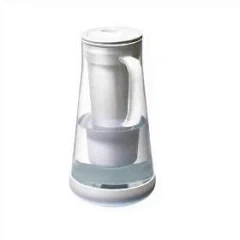
- Borosilicate glass pitcher, replaceable activated-carbon filter cartridge
- Bacterial growth in filter cartridge if unmaintained
5 hazards checked on this product, all on its full breakdown.
More water filters grades
How we score, every product runs through the same public 0-100 rubric based on materials, coatings, brand disclosure, lab findings, and recalls. See the full methodology → Spotted a mistake? Report an error.