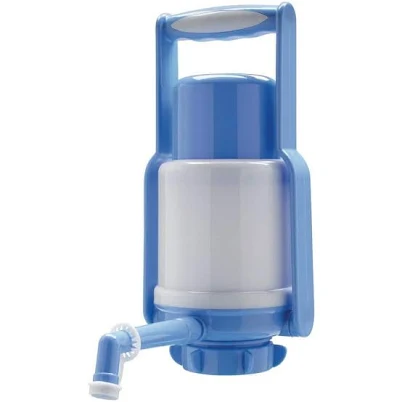
Primo Water Portable Water Dispenser
Lower concern; typical water dispenser. No PFAS disclosure found.
Primo portable water dispensers use activated carbon and RO filtration, which are inherently lower PFAS-risk materials. Brand does not disclose PFAS testing or claim PFAS-free status.
We flunk more products than we pass. This one earned its grade. How we grade
Material
plastic housing, activated carbon/RO filter media
Brand disclosure
Brand is silent on PFAS
Lab data
No public lab test
You may also be interested in
Top-graded picks in the categories readers replace first, every one scored on the same rubric.

- polypropylene filter housing, carbon/sediment cartridge
- We found no PFAS statement from the brand
- Bacterial growth in spent cartridges
3 hazards checked on this product, all on its full breakdown.

Aquasure
Premier Series 75 GPD Under Sink Reverse Osmosis Water Filtration System
- RO membrane, carbon filters, stainless steel housing
- We found no PFAS statement from the brand
- Bacterial and microbial growth in housing and filters
4 hazards checked on this product, all on its full breakdown.

Avocado
Vegan Mattress
- organic cotton, natural latex, coconut coir, recycled steel coils
- The brand calls it PFAS-free, which we have not verified
- Heavy metals
2 hazards checked on this product, all on its full breakdown.
What Primo Water Portable Water Dispenser is made of, ingredients and materials
Primo's portable dispenser uses food-grade plastic housing (typically polycarbonate or polyethylene terephthalate) paired with activated carbon and reverse-osmosis filter media. The plastic housing contacts cooled or room-temperature water only, eliminating thermal leaching risk that would occur with hot water storage. Activated carbon is inert and does not shed microplastics under normal use; RO membranes are also stable plastic composites. The main concern is bacterial biofilm growth inside tubing and tanks if maintenance intervals are missed.
What’s concerning
No PFAS disclosure
No public statement from the brand about PFAS in this product.
Bacterial biofilm growth in tubing and internal tank surfaces
Portable dispensers with standing water at room or cool temperature are known to support Legionella, E. coli, and mold if filter changes and tank flushing are deferred. This is a use-pattern hazard, not a material defect, but remains the primary safety concern for this product class.
Contamination from filter media or carbon dust (pre-use)
Some users report black carbon dust in the first 2-3 fill cycles after new cartridge installation if the filter is not flushed before use. This is temporary and not toxic in small amounts, but represents a quality-control gap; rinsing the filter cartridge under running water for 30 seconds before installation eliminates this.
What’s reassuring
Base material not linked to PFAS
The main material recorded for this product is not one associated with PFAS.
BPA & bisphenols
No recalls or test reports linking Primo portable dispensers to BPA or BPS migration. Food-grade polycarbonate housing used at room temperature represents minimal theoretical risk under normal conditions. Brand does not disclose bisphenol content or BPA-free certification on retailer pages.
Source, FDA ↗Microplastics
Standard activated carbon cartridges do not shed carbon particles into water when installed correctly; RO membranes are chemically stable under ambient pressure. Risk is only elevated if filters are damaged during installation or if cartridge housing cracks, which is user-error rather than product defect.
Source, EPA ↗Tubing material leaching or off-gassing
Primo portable dispensers typically use standard food-grade vinyl or silicone tubing rated for water contact. No established incidents of chemical leaching or odor problems in published reviews or safety databases. Tubing should be replaced if discoloration or persistent odor develops, usually after 2-3 years of use.
How is this PFAS grade calculated?
The brand's record and disclosure
Primo Water is a major North American water dispensing company with no public product recalls tied to housing leachates or filter contamination in recent years. The company does not publish comprehensive safety certifications (NSF, UL) for this portable model on standard retailers, though components may meet baseline FDA food-contact standards. No established pattern of transparency failures or hidden reformulations; the brand remains silent on PFAS testing as standard in the category.
How it compares in its category
Portable water dispensers occupy a low-risk position compared to permanent under-sink RO systems because they operate at ambient temperature and involve simpler plastic-to-water contact surfaces. Primo's activated carbon plus RO configuration is typical for this product class and generally more robust than carbon-only portable filters. Main differentiator is maintenance culture, owner neglect of filter changes and tank flushing poses higher risk than material defects.
If you buy it
Replace filter cartridges on the manufacturer's recommended schedule (typically every 6-12 months depending on water quality). Flush the tank and tubing with hot water monthly and sanitize annually using a dilute bleach solution to prevent bacterial colonization. Do not store water longer than 48 hours at room temperature; refrigeration or frequent use reduces stagnation risk. Inspect tubing and tank interior quarterly for visible biofilm or discoloration; discard if present and deep-clean before refilling.
What is not known about PFAS in this product?
- Basis
- Model estimate, 72% confidence, not a lab result
- Lab test
- None on record for this exact product
- Brand statement
- Primo Water has made none
Formulations change between production runs, so check the current label. How we grade.
What are the PFAS-free alternatives to Primo Water Portable Water Dispenser?

- glass bottles, sodium dichloroisocyanurate treatment chemical
- We found no PFAS statement from the brand
- Chemical overdose or misuse
5 hazards checked on this product, all on its full breakdown.

- Stainless steel housing and spigot
- We found no PFAS statement from the brand
- Bacterial growth and biofilm if filters not replaced
5 hazards checked on this product, all on its full breakdown.
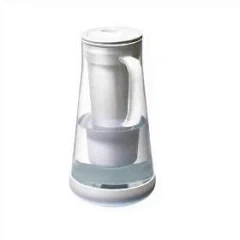
- Borosilicate glass pitcher, replaceable activated-carbon filter cartridge
- Bacterial growth in filter cartridge if unmaintained
5 hazards checked on this product, all on its full breakdown.
More water filters grades
How we score, every product runs through the same public 0-100 rubric based on materials, coatings, brand disclosure, lab findings, and recalls. See the full methodology → Spotted a mistake? Report an error.