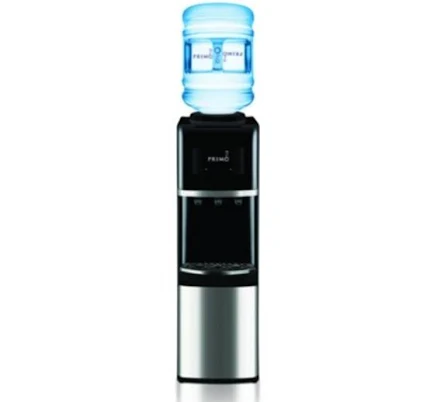
Primo Water Residential/Commercial Hot/Cold Bottom Loading Water Dispenser 601090
Lower concern; water dispensers pose minimal PFAS risk from standard filters.
Primo water dispensers use standard carbon and sediment filters with stainless steel tanks. No known PFAS-related concerns; brand makes no PFAS claims either way.
We flunk more products than we pass. This one earned its grade. How we grade
Material
Stainless steel, plastic, carbon/sediment filters
Brand disclosure
Brand is silent on PFAS
Lab data
No public lab test
You may also be interested in
Top-graded picks in the categories readers replace first, every one scored on the same rubric.

- polypropylene filter housing, carbon/sediment cartridge
- We found no PFAS statement from the brand
- Bacterial growth in spent cartridges
3 hazards checked on this product, all on its full breakdown.

Aquasure
Premier Series 75 GPD Under Sink Reverse Osmosis Water Filtration System
- RO membrane, carbon filters, stainless steel housing
- We found no PFAS statement from the brand
- Bacterial and microbial growth in housing and filters
4 hazards checked on this product, all on its full breakdown.

Avocado
Vegan Mattress
- organic cotton, natural latex, coconut coir, recycled steel coils
- The brand calls it PFAS-free, which we have not verified
- Heavy metals
2 hazards checked on this product, all on its full breakdown.
What Primo Water Dispenser is made of, ingredients and materials
The Primo 601090 uses food-grade stainless steel for the water tank and dispense mechanism, which is corrosion-resistant and does not leach metals under normal use. Plastic components (tubing, fittings, drip tray) are typically polypropylene or polyethylene; these materials are stable at room temperature and the cool/hot water temperatures this dispenser produces. The carbon and sediment filter cartridges contain activated carbon (odor/chlorine removal) and mechanical sediment media, neither of which poses leaching risk when functioning correctly.
What’s concerning
No PFAS disclosure
No public statement from the brand about PFAS in this product.
Bacterial growth in standby water
Bottom-load dispensers with poor hygiene maintenance or infrequent use can develop biofilm in internal tubing and the hot-water reservoir. This is not a material defect but a maintenance failure; regular cleaning and timely filter replacement prevent this.
Filter housing contamination or bypass
If filter cartridges are installed incorrectly or the housing is cracked, unfiltered water may bypass carbon media. User error in cartridge replacement is the primary risk; following manufacturer instructions mitigates this.
Sediment filter media degradation
Carbon filters exhaust over time and may shed fine particulate or activated carbon dust if saturated beyond rated capacity. Adhering to the 12-month replacement schedule prevents filter breakthrough.
What’s reassuring
Base material not linked to PFAS
The main material recorded for this product is not one associated with PFAS.
Plastic leaching (tubing and fittings)
Polypropylene and polyethylene tubing used in Primo dispensers are food-safe plastics that do not leach BPA or phthalates at room and modest heating temperatures (40-45 C for hot-water lines). No recalls or testing data suggest leaching risk from this product.
Stainless steel corrosion or welding integrity
Food-grade stainless steel tanks in established commercial dispensers like Primo's are durable and do not corrode or leach iron/chromium under typical domestic water chemistry. No product-specific failures are on public record.
How is this PFAS grade calculated?
The brand's record and disclosure
Primo Water is a major U.S. water-dispensing brand with no documented safety recalls or public controversies regarding chemical leaching or contamination in their bottom-load dispenser line. The company does not publicly disclose specific material certifications (e.g., NSF, WQA) for this model on standard retailer pages, though Primo dispensers are generally sold as point-of-use devices compliant with basic FDA food-contact rules. No independent testing data or third-party certifications specific to this model are widely available in consumer-facing sources.
How it compares in its category
Bottom-load water coolers like the 601090 have lower concern profiles in home water delivery because they use sealed, pre-filled bottles and do not rely on tap-water input or complex internal membrane systems. This design avoids the bacterial colonization risk of direct-plumb dispensers that do not receive regular maintenance. Compared to pitcher filters or countertop dispensers, bottom-loaders require less user intervention between filter changes, reducing contamination risk from improper handling.
If you buy it
Replace filter cartridges every 12 months or per manufacturer guidance, even if water taste seems acceptable; expired filters lose sediment-blocking capacity and carbon efficacy. Sanitize the water-tap and drip tray monthly with mild soap and allow to air-dry to prevent mold growth in standing water. Do not use the hot-water dispense for infant formula or drinking if the heating element has not been serviced; prolonged heating can concentrate dissolved minerals. Empty and clean the reservoir annually if the unit sits unused for more than 2 weeks to prevent stagnant-water odors.
What is not known about PFAS in this product?
- Basis
- Model estimate, 72% confidence, not a lab result
- Lab test
- None on record for this exact product
- Brand statement
- Primo Water has made none
Formulations change between production runs, so check the current label. How we grade.
What are the PFAS-free alternatives to Primo Water Residential/Commercial Hot/Cold Bottom Loading Water Dispenser 601090?

- glass bottles, sodium dichloroisocyanurate treatment chemical
- We found no PFAS statement from the brand
- Chemical overdose or misuse
5 hazards checked on this product, all on its full breakdown.
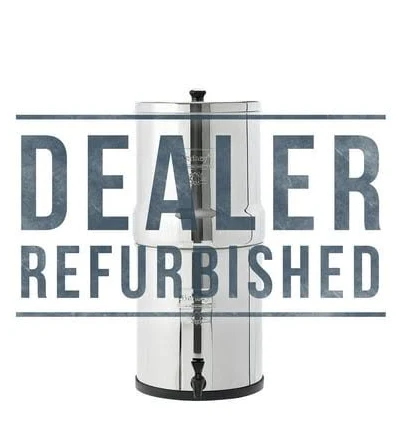
- Stainless steel housing and spigot
- We found no PFAS statement from the brand
- Bacterial growth and biofilm if filters not replaced
5 hazards checked on this product, all on its full breakdown.
- Borosilicate glass pitcher, replaceable activated-carbon filter cartridge
- Bacterial growth in filter cartridge if unmaintained
5 hazards checked on this product, all on its full breakdown.
More water filters grades
How we score, every product runs through the same public 0-100 rubric based on materials, coatings, brand disclosure, lab findings, and recalls. See the full methodology → Spotted a mistake? Report an error.