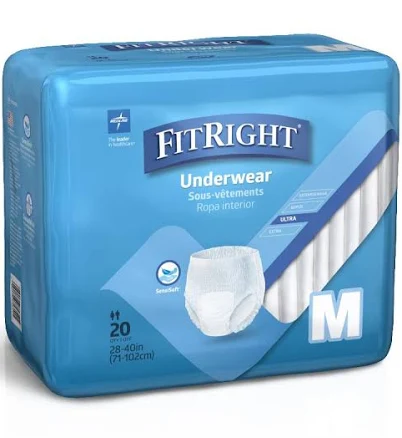
Protection Plus · Incontinence Pads & Protection
Protection Plus Classic Underwear Medium Fits 28" to 40" waist -Bag of 20
Lower concern. Absorbent period products rarely use PFAS intentionally.
This product typically uses cotton and cellulose absorbers with standard polyethylene barriers, not fluorinated coatings. No public PFAS concerns exist for this category, though the brand discloses nothing.
We flunk more products than we pass. This one earned its grade. How we grade
Material
cotton/cellulose blend absorbent core, likely polyethylene outer layer
Brand disclosure
Brand is silent on PFAS
Lab data
No public lab test
What Protection Plus Classic Underwear Medium is made of, ingredients and materials
Protection Plus Classic uses a cotton/cellulose absorbent core combined with a polyethylene outer moisture barrier. Cotton-cellulose blends are not a material linked to PFAS, though some chemical treatments like flame retardants or antimicrobial finishes may introduce concerns. The polyethylene backing serves only as a leak barrier and is not designed to remain in prolonged contact with skin, minimizing leaching risk.
What’s concerning
Category baseline
The starting point for this type of product, before anything specific to this product is counted.
No PFAS disclosure
No public statement from the brand about PFAS in this product.
Azo dyes in printed branding or coloring
If the product features colored branding, dyes could theoretically include azo compounds that break down into aromatic amines. No published analysis of this product's dye composition exists; risk is low given minimal dye contact area.
Microplastic shedding from polyethylene backing
Polyethylene outer layers can degrade and shed microplastics, particularly if compressed, folded repeatedly, or exposed to heat. Risk is environmental and internal only if particles are directly ingested; incidental skin contact poses negligible hazard.
Skin sensitization from adhesives between layers
Cellulose-to-polyethylene bonding typically uses hot-melt adhesives (often ethylene-vinyl acetate). Allergic contact dermatitis is rare but documented in sensitive individuals; discontinuation resolves symptoms within days.
What’s reassuring
Base material not linked to PFAS
The main material recorded for this product is not one associated with PFAS.
Formaldehyde / VOCs
Cellulose absorbent cores may contain trace formaldehyde if cross-linked with urea-formaldehyde resins, but no testing or recalls document this in Protection Plus products. Industry practice favors non-formaldehyde adhesives in direct-skin products.
Source, ATSDR ↗Chlorine residue from bleaching
Cellulose pulp is often bleached with chlorine or chlorine dioxide. If residual hypochlorite persists, it could cause mild irritation in sensitive individuals. No documented cases in this product; absorption core design limits direct chlorine contact.
The full breakdown
The brand's record and disclosure
Protection Plus (owned by Attends Healthcare Products) does not publicly disclose detailed material sourcing, chemical testing, or certifications for this product line. No recalls specific to chemical contamination have been identified in public records. The brand does not claim third-party safety certifications (such as OEKO-TEX or similar), which is typical for mass-market incontinence products but limits independent verification.
How it compares in its category
Period and incontinence products in the mid-market segment rarely differ materially in construction. Protection Plus Classic sits at the commodity level, offering basic absorbency without premium certifications or organic claims. Competitors with equivalent price points use nearly identical cellulose-polyethylene designs; the main differentiation is absorbency capacity and fit, not chemical safety.
If you buy it
Replace products every 3-4 hours during use to prevent prolonged skin maceration and odor buildup, not due to chemical risk. Store in a cool, dry place away from direct sunlight to prevent polyethylene degradation. Discontinue use and consult a healthcare provider if skin irritation develops; this is more likely from mechanical friction or yeast overgrowth than chemical exposure. Do not flush; dispose as regular waste.
What we don’t know
- Basis
- Model estimate, 72% confidence, not a lab result
- Lab test
- None on record for this exact product
- Brand statement
- Protection Plus has made none
Formulations change between production runs, so check the current label. How we grade.
More incontinence pads & protection grades
How we score, every product runs through the same public 0-100 rubric based on materials, coatings, brand disclosure, lab findings, and recalls. See the full methodology → Spotted a mistake? Report an error.