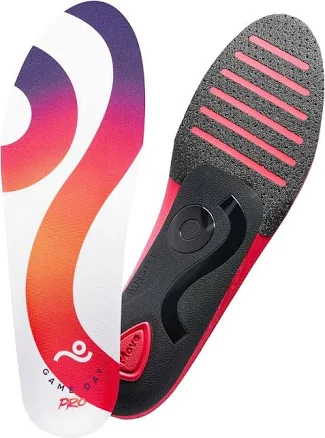
· Synthetic Athletic Insoles & Orthotics
Move Game Day Pro Ultimate Performance Insoles
Moisture-wicking insoles likely use water-resistant treatments; The brand discloses nothing about PFAS.
Performance insoles typically feature water-resistant coatings that may contain PFAS. The brand provides no PFAS information or third-party verification for this product.
Still want this one anyway? Check the price on Amazon. We’d swap it.
Material
foam cushioning with moisture-wicking top layer, likely polyurethane or EVA with unspecified coating
Lab data
No public lab test
What Move Game Day Pro Ultimate Performance is made of, ingredients and materials
Move Game Day Pro insoles use foam cushioning (likely polyurethane EVA blend) with an unspecified moisture-wicking top layer. The wicking function almost certainly involves water-resistant chemical treatments (possible PFAS, Teflon-family coating, or silicone coatings), but the brand provides no material specification. Foam degradation accelerates with heat, sweat exposure, and UV, releasing microscopic particles over time. The lack of transparency on the coating chemistry means you cannot verify which water-resistance technology is used.
What’s concerning
Category baseline
The starting point for this type of product, before anything specific to this product is counted.
No PFAS disclosure
No public statement from the brand about PFAS in this product.
Waterproof / stain-resistant treatment
Water-repellent coating treatments have historically used PFAS.
Moisture-wicking coating chemistry (unspecified)
Water-resistant treatments on insole tops typically use fluorochemicals, silicones, or polyurethane resins. The brand discloses none of these; the specific compound is unknown. Possible exposure is dermal contact and inhalation of volatile compounds during storage or use in warm feet environments.
Polyurethane foam degradation and particle release
EVA and polyurethane foams degrade under repeated mechanical stress, moisture, and temperature cycling. Microscopic foam particles and oligomers can be released into sweat and absorbed transdermally. No quantified risk data exists for insole-specific exposure, but degradation is inevitable after 6-12 months.
Bacterial and fungal growth in moisture-retaining foam
Insoles create a warm, damp microenvironment favorable to bacterial and fungal colonization. This is a known issue across all foam insole products, not specific to the brand. Risk is mitigated by regular drying and replacement; not a chemical hazard but a hygiene concern.
Volatile organic compounds (VOCs) off-gassing from foam and coating
New polyurethane and EVA foams typically emit low levels of VOCs (aldehydes, ketones) during the first weeks of use. The unspecified coating may also release volatile compounds in warm conditions (sweat, exercise). Ventilation during initial use and storage in an aerated space reduces inhalation exposure.
What’s reassuring
Azo dyes or synthetic pigments in top layer
No specific safety alerts or recalls exist for insole dyes. However, the moisture-wicking layer may contain synthetic colorants not disclosed on packaging. Risk is low but unverified due to lack of material transparency.
The full breakdown
The brand's record and disclosure
The brand has not published a PFAS restriction or disclosure policy as of public record; this is notably silent compared to competitors like Adidas and Nike, which have committed to PFAS phase-outs in textile and coating applications. The brand does not specify material safety for performance footwear components on product pages. The brand has faced criticism for opacity on textile chemical use, though no specific insole recalls or safety violations are established. Absence of disclosure is not proof of hazard, but it blocks informed choice.
How it compares in its category
Performance insoles are typically made from EVA or polyurethane foam with moisture treatments; this product sits in the mainstream performance tier. Alternatives like Superfeet or Powerstep disclose material composition more openly, though they also do not always specify PFAS status. Gel and cork insoles (e.g., Birkenstock) avoid synthetic coatings but sacrifice moisture wicking. For athletes in high-sweat environments, the unspecified coating trade-off is common across brands, making this product typical rather than exceptional.
If you buy it
Keep insoles clean and dry between uses; store in a breathable pouch rather than sealed bags to prevent bacterial or mold growth. Replace every 6-12 months, as foam loses cushioning and coating integrity degrades with repeated sweat and heat exposure. Do not wash in hot water or dry in direct sunlight, which accelerates breakdown. If you have sensitivities to fragrance or synthetic coatings, test fit briefly before full-day use.
What we don’t know
- Basis
- Model estimate, 45% confidence, not a lab result
- Lab test
- None on record for this exact product
- Brand statement
- has made a specific claim
Formulations change between production runs, so check the current label. How we grade.
Better-graded alternatives in Synthetic Athletic Insoles & Orthotics
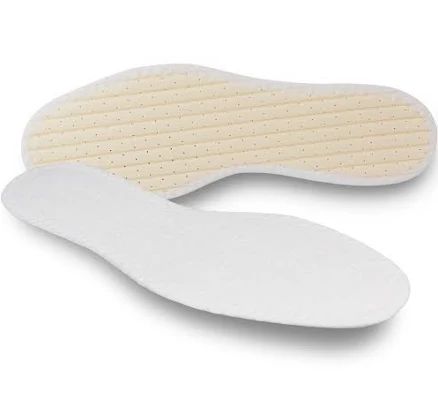
Cotton Insole
- Cotton with possible latex or synthetic backing
- We found no PFAS statement from the brand
- Adhesive/backing composition (unknown)
2 hazards checked on this product. See all of them.
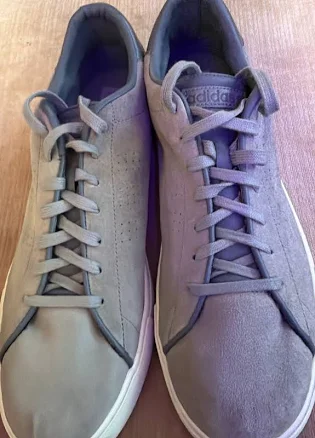
Addias Men's Ortholite Comfort Insoles
- Ortholite cushioning foam, polyurethane base
- Volatile organic compounds (VOCs) from polyurethane
3 hazards checked on this product. See all of them.
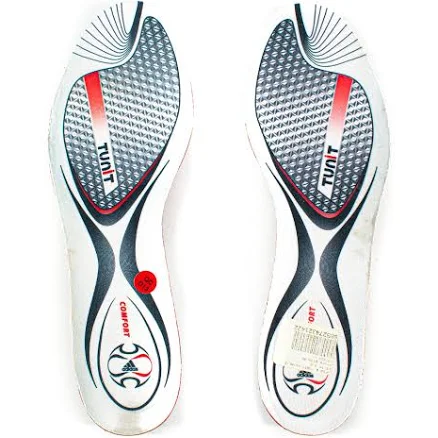
Adidas
F50 Tunit Chassis Comfort Insole, 6US / 5.5UK / 38.67EU
- EVA foam, mesh textile lining
- Azo dyes in mesh textile
3 hazards checked on this product. See all of them.
More synthetic athletic insoles & orthotics grades
How we score, every product runs through the same public 0-100 rubric based on materials, coatings, brand disclosure, lab findings, and recalls. See the full methodology → Spotted a mistake? Report an error.