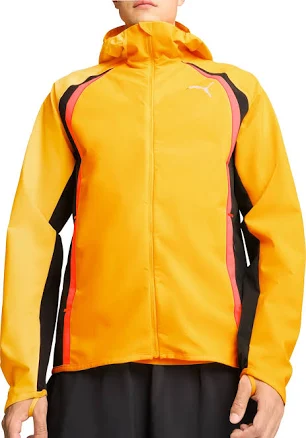
Waterproof jacket Puma Ultraweave
Waterproof treatment likely contains PFAS; no brand disclosure available.
Puma does not publicly disclose PFAS use or absence in Ultraweave jackets. Waterproof finishes typically rely on fluorochemicals; insufficient brand transparency to assess risk.
Still want this one anyway? Check the price on Amazon. We’d swap it.
Material
Polyester with unspecified water-repellent coating
Lab data
No public lab test
You may also be interested in
Top-graded picks in the categories readers replace first, every one scored on the same rubric.

- polypropylene filter housing, carbon/sediment cartridge
- We found no PFAS statement from the brand
- Bacterial growth in spent cartridges
3 hazards checked on this product, all on its full breakdown.

Aquasure
Premier Series 75 GPD Under Sink Reverse Osmosis Water Filtration System
- RO membrane, carbon filters, stainless steel housing
- We found no PFAS statement from the brand
- Bacterial and microbial growth in housing and filters
4 hazards checked on this product, all on its full breakdown.

Avocado
Vegan Mattress
- organic cotton, natural latex, coconut coir, recycled steel coils
- The brand calls it PFAS-free, which we have not verified
- Heavy metals
2 hazards checked on this product, all on its full breakdown.
What Waterproof jacket Puma Ultraweave is made of, ingredients and materials
This jacket is polyester with a water-repellent coating (water-repellent coating) coating applied to the outer surface. water-repellent coating treatments on budget and mid-range waterproof apparel are typically fluorinated compounds (PFAS-based), which resist water but also resist breakdown in the environment and in your body. The polyester base itself is stable and does not leach chemicals under normal wear, but the coating is where chemical exposure risk concentrates.
What’s concerning
Waterproof / stain-resistant treatment
Water-repellent coating treatments have historically used PFAS.
Category baseline
The starting point for this type of product, before anything specific to this product is counted.
No PFAS disclosure
No public statement from the brand about PFAS in this product.
Formaldehyde / VOCs
Polyester textiles may include formaldehyde-releasing resins for wrinkle resistance or dye fixation. Puma does not explicitly list formaldehyde-free status for this line. Risk is lower with outdoor performance wear than with dress clothes, but new-jacket off-gassing odor may indicate residual formaldehydes.
Source, ATSDR ↗Heavy metals
Dark-colored polyester jackets (common in Puma Ultraweave colorways) may contain azo dyes, which can break down into aromatic amines under sweat or UV exposure. Puma does not certify Ultraweave against restricted azo dye standards (e.g., OEKO-TEX), so no assurance is available.
Source, FDA ↗water-repellent coating degradation and leaching
What’s reassuring
Antimony in polyester
Polyester can contain antimony as a catalyst in fiber production. Industry standard levels are generally recognized as safe, and no recalls or warnings specific to Puma Ultraweave exist. This is a background risk shared across all polyester apparel, not a Puma-specific concern.
Flame retardants
Outdoor waterproof jackets are not typically treated with flame retardants unless sold as sleepwear or marketed for specific flammability compliance. No records suggest Puma Ultraweave contains added flame retardants.
Source, EPA ↗How is this PFAS grade calculated?
The brand's record and disclosure
Puma has not publicly disclosed whether this jacket uses PFAS-based water-repellent coating or fluorine-free alternatives, and does not appear to have a brand-wide commitment to phasing out fluorinated water repellents as of available records. Major competitors like Patagonia and The North Face have committed to non-PFAS water-repellent coating options on many lines, but Puma's Ultraweave line lacks equivalent transparency. This silence is a red flag for consumers prioritizing chemical avoidance.
How it compares in its category
Most polyester waterproof jackets at Puma's price point use PFAS-based water-repellent coating; this is the industry norm for affordable waterproofing. Brands offering PFAS-free water-repellent coating typically command 20-40% price premiums (e.g., Patagonia, Fjallraven). If avoiding PFAS is a priority, you would need to seek brands with explicit fluorine-free commitments, not mid-market offerings like this one.
If you buy it
Wash in cool water and skip the dryer; heat can damage the water-repellent coating and theoretically increase leaching of coating residues. Do not dry-clean, as solvents may degrade the water-repellent layer. Re-apply water-repellent coating every 1-2 years if water no longer beads on the surface. Avoid prolonged contact with skin if the jacket smells strongly chemical when new (sign of off-gassing); air it out for 24-48 hours before wearing.
What is not known about PFAS in this product?
- Basis
- Model estimate, 35% confidence, not a lab result
- Lab test
- None on record for this exact product
- Brand statement
- Puma has made a specific claim
Formulations change between production runs, so check the current label. How we grade.
What are the PFAS-free alternatives to Waterproof jacket Puma Ultraweave?
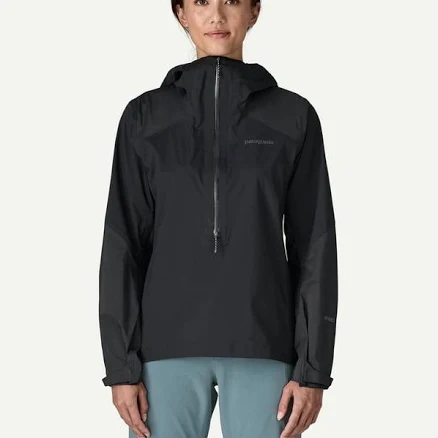
- polyester shell with water-repellent coating finish
- The brand calls it PFAS-free, which we have not verified
- Azo dyes and color fastness
4 hazards checked on this product, all on its full breakdown.
Find an alternative on Amazon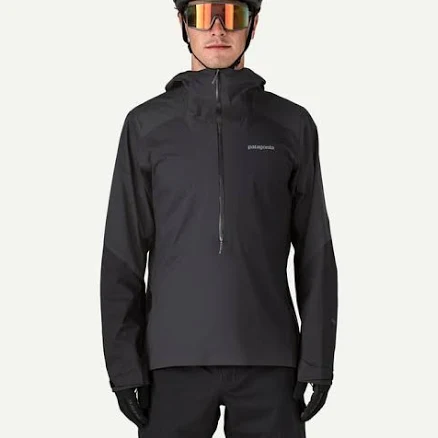
- nylon/polyester with water-repellent coating water treatment
- The brand calls it PFAS-free, which we have not verified
- PFAS
3 hazards checked on this product, all on its full breakdown.
Find an alternative on Amazon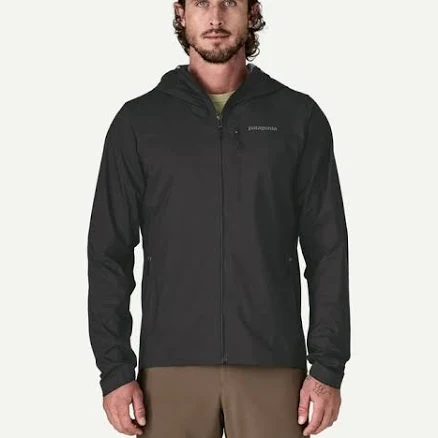
- Nylon with water-repellent coating water-repellent coating finish
- The brand calls it PFAS-free, which we have not verified
- water-repellent coating chemistry opacity (fluorinated vs. non-fluorinated)
3 hazards checked on this product, all on its full breakdown.
Find an alternative on AmazonMore cycling rain jackets grades
How we score, every product runs through the same public 0-100 rubric based on materials, coatings, brand disclosure, lab findings, and recalls. See the full methodology → Spotted a mistake? Report an error.