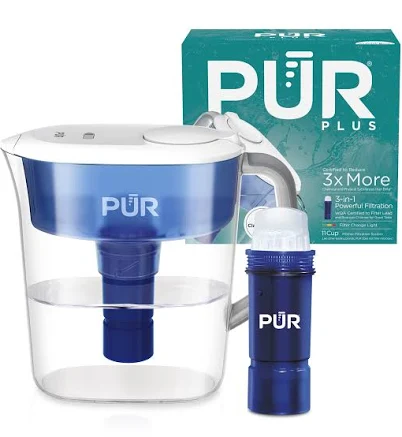
Fred Meyer Pur Plus Water Filtration Pitcher
Activated carbon filters and plastic pitchers pose low PFAS concern without brand verification.
This PUR Plus pitcher uses activated carbon filtration in a plastic housing without water-resistant or nonstick coatings that require PFAS. PUR has not made public statements about PFAS in this product.
We flunk more products than we pass. This one earned its grade. How we grade
Material
Activated carbon filter media, plastic pitcher housing
Lab data
No public lab test
You may also be interested in
Top-graded picks in the categories readers replace first, every one scored on the same rubric.

- polypropylene filter housing, carbon/sediment cartridge
- We found no PFAS statement from the brand
- Bacterial growth in spent cartridges
3 hazards checked on this product, all on its full breakdown.

Aquasure
Premier Series 75 GPD Under Sink Reverse Osmosis Water Filtration System
- RO membrane, carbon filters, stainless steel housing
- We found no PFAS statement from the brand
- Bacterial and microbial growth in housing and filters
4 hazards checked on this product, all on its full breakdown.

Avocado
Vegan Mattress
- organic cotton, natural latex, coconut coir, recycled steel coils
- The brand calls it PFAS-free, which we have not verified
- Heavy metals
2 hazards checked on this product, all on its full breakdown.
What Fred Meyer Pur Plus Water Pitcher is made of, ingredients and materials
The Fred Meyer PUR Plus uses activated carbon as the primary filter medium, which adsorbs chlorine, taste, odor, and some contaminants without chemical leaching concerns typical of some older filter designs. The pitcher housing is plastic, likely polypropylene or copolymer, which is chemically stable at room temperature and not exposed to heat during normal use. Activated carbon itself is inert; the safety profile depends on pitcher construction quality and adherence to replacement schedules to prevent bacterial colonization on exhausted filter media.
What’s concerning
No PFAS disclosure
No public statement from the brand about PFAS in this product.
Bacterial growth on exhausted or improperly maintained filter media
Activated carbon filters can harbor bacteria if left in place beyond recommended replacement intervals or if the pitcher is stored in warm, humid conditions. NSF certification assumes proper maintenance; the user bears responsibility for timely cartridge swaps.
Filter media degradation and particle release
Activated carbon can shed fine particles or dust, especially if the cartridge is cracked or if the filter is not seated properly. Inspect cartridges before installation and ensure a snug fit to minimize bypass of unfiltered water.
PFAS
Standard activated carbon does not effectively capture all PFAS compounds; PUR has not disclosed PFAS-specific removal performance or marketed the Plus model as PFAS-targeted. Users in areas with known PFAS contamination may need supplemental testing or alternative filtration.
Source, ATSDR ↗Contaminant rebound if pitcher is left standing unused
If the filled pitcher sits for extended periods (days), microorganisms can begin to multiply in the filtered water, reducing safety margins. Use filtered water within 24-48 hours when feasible, or refrigerate to slow microbial growth.
What’s reassuring
Base material not linked to PFAS
The main material recorded for this product is not one associated with PFAS.
BPA & bisphenols
Modern polypropylene pitcher housing does not typically leach BPA or phthalates at room temperature. No established recalls or test reports have identified leaching in the PUR Plus pitcher line under normal use conditions.
Source, FDA ↗How is this PFAS grade calculated?
The brand's record and disclosure
PUR is a subsidiary of Helen of Troy and holds NSF/ANSI Standard 42 and 53 certifications for many of its pitcher and faucet-mount models, indicating third-party testing for contaminant reduction claims. The company has not made public statements specifically addressing PFAS removal or PFAS mitigation strategy in its standard pitcher line, despite PFAS being a known drinking-water concern in many U.S. regions. No major product recalls or safety controversies have been established for the PUR Plus pitcher line based on available public records.
How it compares in its category
Activated carbon pitchers are among the most common and lowest-risk filtration methods for home use; the PUR Plus occupies the mid-market segment with NSF certification backing claims. Compared to reverse osmosis systems (which require plumbing) or pitcher alternatives lacking certification, the PUR Plus offers a balance of ease, cost, and tested performance. However, unlike some specialty filters marketed for PFAS removal, standard activated carbon pitchers do not reliably capture PFAS perfluorinated compounds, a limitation shared across most budget pitcher models.
If you buy it
Replace the filter cartridge every 2-3 months or per manufacturer guidance (typically after 40 gallons) to prevent bacterial biofilm growth and ensure contaminant-removal performance. Do not use hot water in the pitcher; keep it at room temperature to avoid any thermal stress on plastic housing. Store in a cool, dry location away from direct sunlight. After each use, rinse the pitcher and ensure the filter area drains; allow wet surfaces to air-dry to discourage microbial growth between uses.
What is not known about PFAS in this product?
- Basis
- Model estimate, 68% confidence, not a lab result
- Lab test
- None on record for this exact product
- Brand statement
- PUR has made a specific claim
Formulations change between production runs, so check the current label. How we grade.
What are the PFAS-free alternatives to Fred Meyer Pur Plus Water Filtration Pitcher?
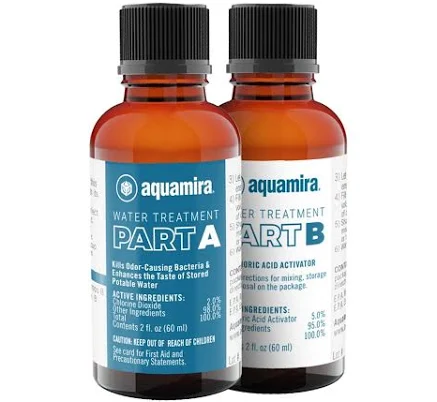
- glass bottles, sodium dichloroisocyanurate treatment chemical
- We found no PFAS statement from the brand
- Chemical overdose or misuse
5 hazards checked on this product, all on its full breakdown.

- Stainless steel housing and spigot
- We found no PFAS statement from the brand
- Bacterial growth and biofilm if filters not replaced
5 hazards checked on this product, all on its full breakdown.
- Borosilicate glass pitcher, replaceable activated-carbon filter cartridge
- Bacterial growth in filter cartridge if unmaintained
5 hazards checked on this product, all on its full breakdown.
More water filters grades
How we score, every product runs through the same public 0-100 rubric based on materials, coatings, brand disclosure, lab findings, and recalls. See the full methodology → Spotted a mistake? Report an error.