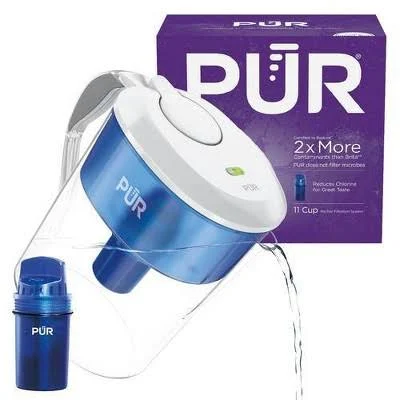
Honeywell Pur 11 Cup Water Filter Pitcher HWLCR1100C
Plastic pitcher and carbon filter with no coating on record and no public PFAS statement from PUR.
This pitcher's plastic housing and activated carbon filter cartridge have no water-repellent finish on record. PUR has no PFAS statement on record for this product.
We flunk more products than we pass. This one earned its grade. How we grade
Material
Plastic pitcher housing; activated carbon filter cartridge
Lab data
No public lab test
You may also be interested in
Top-graded picks in the categories readers replace first, every one scored on the same rubric.

- polypropylene filter housing, carbon/sediment cartridge
- We found no PFAS statement from the brand
- Bacterial growth in spent cartridges
3 hazards checked on this product, all on its full breakdown.

Aquasure
Premier Series 75 GPD Under Sink Reverse Osmosis Water Filtration System
- RO membrane, carbon filters, stainless steel housing
- We found no PFAS statement from the brand
- Bacterial and microbial growth in housing and filters
4 hazards checked on this product, all on its full breakdown.

Avocado
Vegan Mattress
- organic cotton, natural latex, coconut coir, recycled steel coils
- The brand calls it PFAS-free, which we have not verified
- Heavy metals
2 hazards checked on this product, all on its full breakdown.
What Honeywell Pur 11 Cup Water HWLCR1100C is made of, ingredients and materials
The HWLCR1100C pitcher body is polypropylene (PP) plastic, a food-contact material that is stable and does not leach under normal cold-water storage conditions. The filter cartridge contains activated carbon (granular and block forms) that adsorbs chlorine, odor, and some organic contaminants. Polypropylene does not contain BPA or phthalates by design, and the pitcher is not exposed to heat during use (water sits at ambient temperature), eliminating the mechanism for plastic leaching.
What’s concerning
No PFAS disclosure
No public statement from the brand about PFAS in this product.
Bacterial growth in filter cartridge
Activated carbon filters provide a nutrient-rich surface for biofilm formation if not replaced on schedule or if water sits stagnant for extended periods. Proper filter rotation (every 2-3 months) and regular use largely mitigate this risk.
Activated carbon dust or particle shedding
New filter cartridges may release fine carbon particles into the first 1-2 pitcher fills. Running the first pitcher of water through the kitchen sink drain (discarding it) before drinking is a standard precaution and is often recommended in product instructions.
Housing cracks or material degradation over time
Polypropylene can become brittle after 2-3 years of exposure to light and temperature cycling, particularly near the seams and valve housing. Hairline cracks are not immediately dangerous but increase contamination risk and warrant pitcher replacement.
Unverified contaminant removal claims
PUR's marketing claims (e.g., lead, cyst, or chlorine reduction) typically rely on NSF certification, but this specific model's certifications are not always transparent on retail listings. Verification against NSF standards or PUR's official product documentation is recommended if specific contaminants are a concern.
What’s reassuring
Base material not linked to PFAS
The main material recorded for this product is not one associated with PFAS.
Plastic leaching from pitcher housing
Polypropylene used in this pitcher is chemically inert at room temperature and does not contain known endocrine disruptors like BPA. No leaching has been reported for this product or material class under normal cold-water storage.
How is this PFAS grade calculated?
The brand's record and disclosure
PUR is owned by Procter & Gamble and markets heavily on contaminant reduction; the brand does not publish third-party test data or certification letters on the product page. No major recalls or safety controversies are on record for this model. The pitcher is typically marketed with NSF or similar third-party claims, though direct verification on this SKU requires checking the product box or PUR's website directly.
How it compares in its category
Pitcher filters occupy the low-cost, low-barrier entry point in home water treatment. The 11-cup capacity and dual-stage filtration (carbon block) are standard for the mid-market pitcher segment. Compared to refrigerator filters or faucet-mount systems, pitcher filters require more frequent manual replacement and user discipline to prevent stagnation, but they offer portable flexibility and no plumbing installation.
If you buy it
Replace the filter cartridge every 2-3 months or per manufacturer guidance (roughly 40 gallons filtered) to prevent bacterial biofilm buildup inside the cartridge housing. Store the pitcher in a cool, dark location; do not leave filled water sitting for more than a few days without use. Rinse the housing with warm water (not hot) when changing filters. The pitcher itself should last 2-3 years with normal care; cracks or discoloration warrant replacement to avoid leaching or contamination pathways.
What is not known about PFAS in this product?
- Basis
- Model estimate, 72% confidence, not a lab result
- Lab test
- None on record for this exact product
- Brand statement
- PUR has made a specific claim
Formulations change between production runs, so check the current label. How we grade.
What are the PFAS-free alternatives to Honeywell Pur 11 Cup Water Filter Pitcher HWLCR1100C?
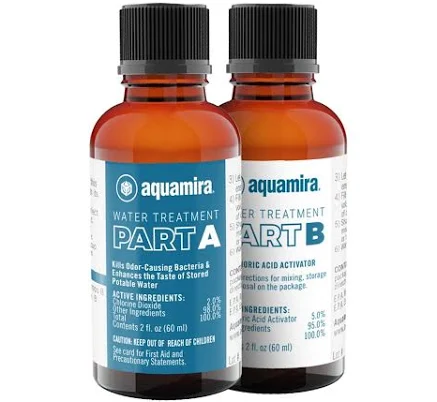
- glass bottles, sodium dichloroisocyanurate treatment chemical
- We found no PFAS statement from the brand
- Chemical overdose or misuse
5 hazards checked on this product, all on its full breakdown.
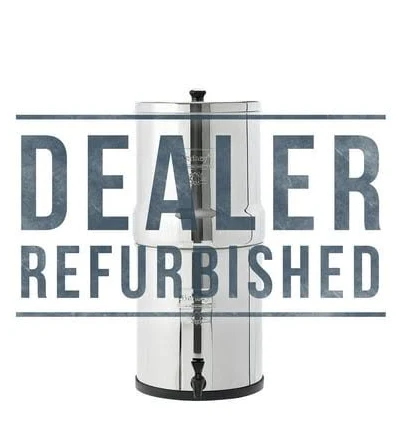
- Stainless steel housing and spigot
- We found no PFAS statement from the brand
- Bacterial growth and biofilm if filters not replaced
5 hazards checked on this product, all on its full breakdown.
- Borosilicate glass pitcher, replaceable activated-carbon filter cartridge
- Bacterial growth in filter cartridge if unmaintained
5 hazards checked on this product, all on its full breakdown.
More water filters grades
How we score, every product runs through the same public 0-100 rubric based on materials, coatings, brand disclosure, lab findings, and recalls. See the full methodology → Spotted a mistake? Report an error.