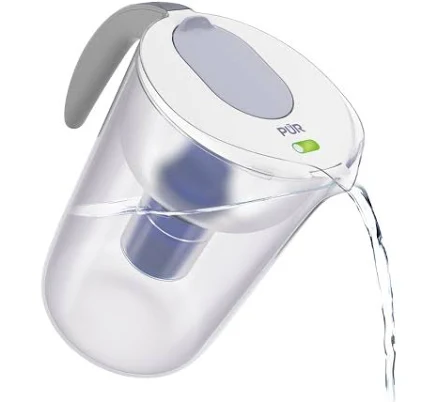
Pur 10 Cup Water Pitcher Filtration System W 10.2 inch x H 10.6 inch x L 6.8 inch
Standard design carries minimal PFAS risk, but PUR hasn't disclosed PFAS specifications.
PUR's standard 10-cup pitcher uses polypropylene housing and activated carbon filtration, neither typically containing PFAS. PUR does not publish PFAS removal claims or third-party certifications for this model.
We flunk more products than we pass. This one earned its grade. How we grade
Material
polypropylene pitcher body, activated carbon filter media
Lab data
No public lab test
You may also be interested in
Top-graded picks in the categories readers replace first, every one scored on the same rubric.

- polypropylene filter housing, carbon/sediment cartridge
- We found no PFAS statement from the brand
- Bacterial growth in spent cartridges
3 hazards checked on this product, all on its full breakdown.

Aquasure
Premier Series 75 GPD Under Sink Reverse Osmosis Water Filtration System
- RO membrane, carbon filters, stainless steel housing
- We found no PFAS statement from the brand
- Bacterial and microbial growth in housing and filters
4 hazards checked on this product, all on its full breakdown.

Avocado
Vegan Mattress
- organic cotton, natural latex, coconut coir, recycled steel coils
- The brand calls it PFAS-free, which we have not verified
- Heavy metals
2 hazards checked on this product, all on its full breakdown.
What Pur 10 Cup Water Pitcher Filtration H is made of, ingredients and materials
The PUR 10-cup pitcher is constructed from food-grade polypropylene (PP), a thermoplastic chosen for its durability and low leaching tendency in cold-water storage applications. The filter media consists of activated carbon, which adsorbs chlorine, taste, and odor compounds but does not chemically interact with water in ways that introduce new contaminants. Polypropylene is inert at ambient temperatures and is not a material linked to BPA or phthalates leaching, unlike some older plastic pitcher materials used for long-term water contact.
What’s concerning
No PFAS disclosure
No public statement from the brand about PFAS in this product.
Bacterial growth in filter media
Activated carbon filters can harbor bacteria if left wet and unmaintained between uses or if filter is not replaced on schedule. This is a use-dependent risk, not a manufacturing flaw; regular replacement (every 2-3 months) and proper drying mitigate it effectively.
Activated carbon filter integrity and replacement fraud
Counterfeit PUR filter cartridges have circulated in online marketplaces, potentially containing untested activated carbon or inert material. Purchase filters directly from PUR or authorized retailers to ensure genuine filtration performance and avoid unverified replacement cartridges.
VOC or odor from new pitcher off-gassing
New polypropylene pitchers may release mild plastic odor in the first 1-2 uses. This is cosmetic and resolves after rinsing and running 1-2 full batches of water through the filter; it poses no known health risk.
What’s reassuring
Base material not linked to PFAS
The main material recorded for this product is not one associated with PFAS.
Microplastics
Food-grade polypropylene in cold-water-only pitchers does not degrade significantly or shed microplastics under normal use. No recalls or complaints of microplastic shedding from PUR pitchers have been documented.
Source, EPA ↗Leachables from pitcher housing or lid seals
Polypropylene is chemically inert in cold water and does not leach BPA, phthalates, or other endocrine disruptors. Lid gaskets are typically rubber or silicone and are not known to leach into filtered water in this product category.
How is this PFAS grade calculated?
The brand's record and disclosure
PUR is owned by Energizer Holdings and holds NSF International certification for standard water pitcher filtration, confirming third-party testing of contaminant reduction claims. The brand has not published detailed PFAS mitigation statements or proprietary filtration technology specifications, which is typical of mainstream consumer pitcher manufacturers but limits transparency. No major recalls or safety controversies involving leaching or bacterial contamination have been recorded for this product line in public databases.
How it compares in its category
Standard polypropylene pitchers like this one occupy the middle-safety tier, they avoid the heavy-metal and glazing risks of ceramic pitchers and the durability concerns of thin plastic models, but they lack the certified PFAS-removal claims of premium brands like AQUA (which explicitly targets "forever chemicals"). Most competitors in this price range use identical materials and similar activated carbon filters, making PUR's offering representative rather than exceptional for water pitcher safety.
If you buy it
Replace filters every 2-3 months or as directed to prevent bacterial biofilm accumulation inside the filter cartridge, which can occur if activated carbon remains damp and unused. Do not store filled pitchers in direct sunlight or heat above 40 degrees Celsius, as temperature cycling can stress polypropylene seams over years of use. Rinse the pitcher body with warm water regularly and air-dry; dishwasher safety varies by model, so check the manual. If you notice cloudy water or musty odors, immediately replace the filter and thoroughly clean the pitcher interior.
What is not known about PFAS in this product?
- Basis
- Model estimate, 72% confidence, not a lab result
- Lab test
- None on record for this exact product
- Brand statement
- PUR has made a specific claim
Formulations change between production runs, so check the current label. How we grade.
What are the PFAS-free alternatives to Pur 10 Cup Water Pitcher Filtration System W 10.2 inch x H 10.6 inch x L 6.8 inch?
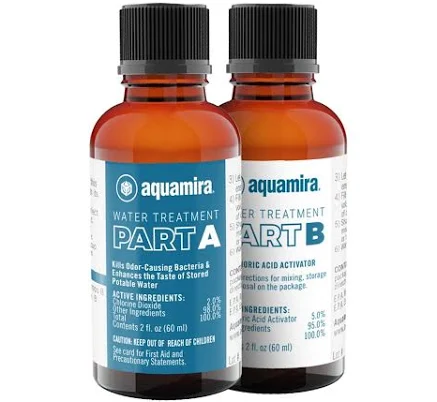
- glass bottles, sodium dichloroisocyanurate treatment chemical
- We found no PFAS statement from the brand
- Chemical overdose or misuse
5 hazards checked on this product, all on its full breakdown.
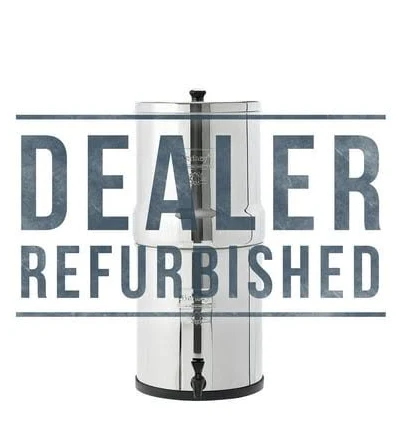
- Stainless steel housing and spigot
- We found no PFAS statement from the brand
- Bacterial growth and biofilm if filters not replaced
5 hazards checked on this product, all on its full breakdown.
- Borosilicate glass pitcher, replaceable activated-carbon filter cartridge
- Bacterial growth in filter cartridge if unmaintained
5 hazards checked on this product, all on its full breakdown.
More water filters grades
How we score, every product runs through the same public 0-100 rubric based on materials, coatings, brand disclosure, lab findings, and recalls. See the full methodology → Spotted a mistake? Report an error.