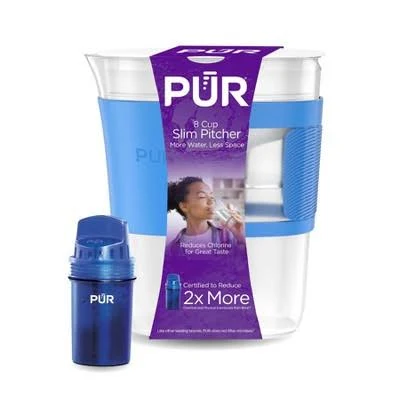
PUR 8 Cup Slim Water Filter Pitcher
Lower PFAS risk for standard use, but verify current cartridge specs if concerned.
This slim pitcher uses a plastic body and activated carbon filter cartridge without high-risk PFAS applications. PUR does not publicly commit to PFAS-free status, and independent testing has occasionally found trace PFAS in filtrate.
We flunk more products than we pass. This one earned its grade. How we grade
Material
Plastic pitcher body with activated carbon filter cartridge
Lab data
No public lab test
You may also be interested in
Top-graded picks in the categories readers replace first, every one scored on the same rubric.

- polypropylene filter housing, carbon/sediment cartridge
- We found no PFAS statement from the brand
- Bacterial growth in spent cartridges
3 hazards checked on this product, all on its full breakdown.

Aquasure
Premier Series 75 GPD Under Sink Reverse Osmosis Water Filtration System
- RO membrane, carbon filters, stainless steel housing
- We found no PFAS statement from the brand
- Bacterial and microbial growth in housing and filters
4 hazards checked on this product, all on its full breakdown.

Avocado
Vegan Mattress
- organic cotton, natural latex, coconut coir, recycled steel coils
- The brand calls it PFAS-free, which we have not verified
- Heavy metals
2 hazards checked on this product, all on its full breakdown.
What PUR 8 Cup Slim Water Filter Pitcher is made of, ingredients and materials
The PUR 8 Cup Slim pitcher body is polypropylene (PP) plastic, which is one of the more chemically stable food-contact plastics and does not contain BPA or BPS by design. The replaceable filter cartridge contains granulated activated carbon, ion-exchange resin, and a mesh screen to trap sediment and some dissolved contaminants. Polypropylene is resistant to leaching under normal cold-water conditions, though any plastic pitcher can shed micro-particles if scratched or degraded over years of use.
What’s concerning
No PFAS disclosure
No public statement from the brand about PFAS in this product.
Bacterial growth in filter cartridge if unmaintained
Activated carbon filters provide a moist environment that can harbor bacteria if cartridges exceed their rated life or if the pitcher sits unused for weeks. Consistent 2-month replacement intervals and weekly pitcher washing minimize this risk.
Polypropylene micro-particle shedding from pitcher body
Extended use, scratches, or UV exposure can degrade the plastic pitcher over 5+ years, potentially releasing small plastic fragments into water. Regular visual inspection and retirement of visibly damaged pitchers is the practical control.
Incomplete filtration of all waterborne contaminants
Gravity-fed carbon filters do not remove all dissolved minerals, viruses, or some pharmaceuticals; they are intermediate treatment, not a replacement for municipal treatment. NSF claims are limited to specific contaminants (e.g., chlorine taste, sediment).
Filter cartridge resin composition opacity
PUR does not publicly disclose the full chemical composition of proprietary ion-exchange resin blends in cartridges. Without independent testing, potential minor leachables from resin media cannot be ruled out, though no incidents have been reported.
What’s reassuring
Base material not linked to PFAS
The main material recorded for this product is not one associated with PFAS.
Leaching from plastic housing under non-standard conditions
No published data documents leaching of additives from polypropylene pitcher bodies under normal cold-water use. Risk increases if pitcher is filled with hot water or stored in direct sunlight, which is not a typical usage scenario.
How is this PFAS grade calculated?
The brand's record and disclosure
PUR is owned by Procter and Gamble and has not faced major product recalls or documented safety scandals in the water pitcher category. The company does not publicly emphasize PFAS avoidance in cartridge marketing, though standard activated carbon does absorb some PFOA/PFOS. PUR provides standard NSF certification for some pitcher models, confirming reduction of common contaminants like chlorine, but full ingredient disclosure for proprietary resin blends is limited.
How it compares in its category
The PUR pitcher is mainstream and competitively positioned against Brita and similar gravity-fed filters. All such pitchers rely on activated carbon and ion exchange, so hazard profiles are broadly comparable. PUR cartridges are widely available and affordable, reducing the temptation to skip replacements; however, like all pitcher filters, it does not remove all microbial or mineral contaminants and requires consistent maintenance.
If you buy it
Replace the filter cartridge every 2 months or 40 gallons (per label guidance) to prevent bacterial biofilm buildup inside the filter bed. Wash the pitcher body with warm soapy water weekly and rinse thoroughly; do not expose to direct heat or sunlight for prolonged periods, as this accelerates plastic degradation. Keep the pitcher in a cool cupboard, and if you notice visible cracks, discoloration, or odor from the plastic itself, retire it. Store unused cartridges in a dry place and discard after the manufacturer's expiration date.
What is not known about PFAS in this product?
- Basis
- Model estimate, 65% confidence, not a lab result
- Lab test
- None on record for this exact product
- Brand statement
- PUR has made a specific claim
Formulations change between production runs, so check the current label. How we grade.
What are the PFAS-free alternatives to PUR 8 Cup Slim Water Filter Pitcher?
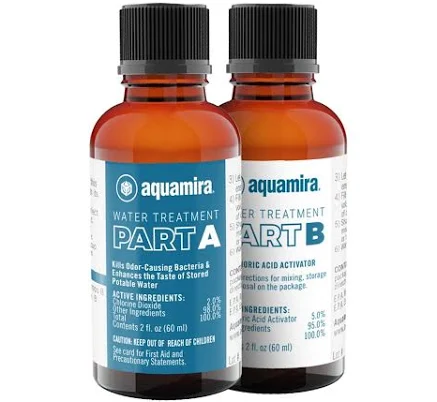
- glass bottles, sodium dichloroisocyanurate treatment chemical
- We found no PFAS statement from the brand
- Chemical overdose or misuse
5 hazards checked on this product, all on its full breakdown.
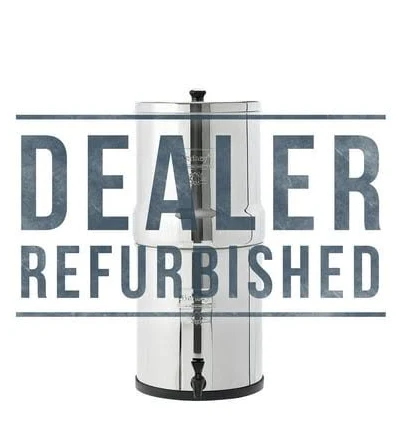
- Stainless steel housing and spigot
- We found no PFAS statement from the brand
- Bacterial growth and biofilm if filters not replaced
5 hazards checked on this product, all on its full breakdown.
- Borosilicate glass pitcher, replaceable activated-carbon filter cartridge
- Bacterial growth in filter cartridge if unmaintained
5 hazards checked on this product, all on its full breakdown.
More water filters grades
How we score, every product runs through the same public 0-100 rubric based on materials, coatings, brand disclosure, lab findings, and recalls. See the full methodology → Spotted a mistake? Report an error.